James Anthony Frederick: The Lantana Cold Case Killer
Overview
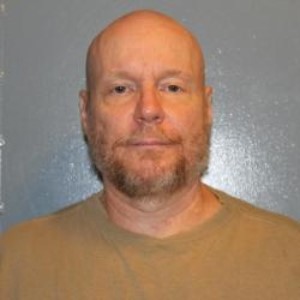
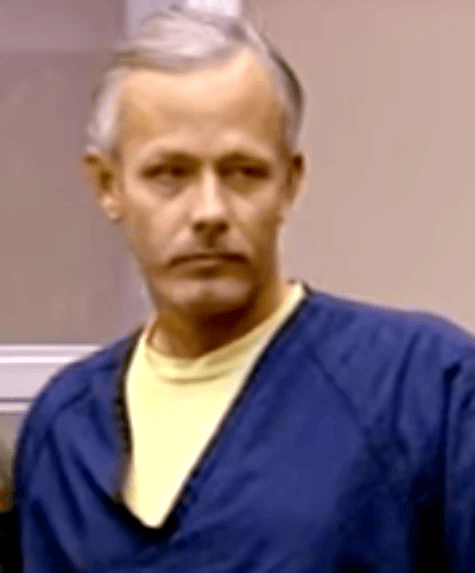
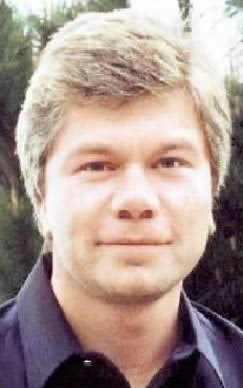
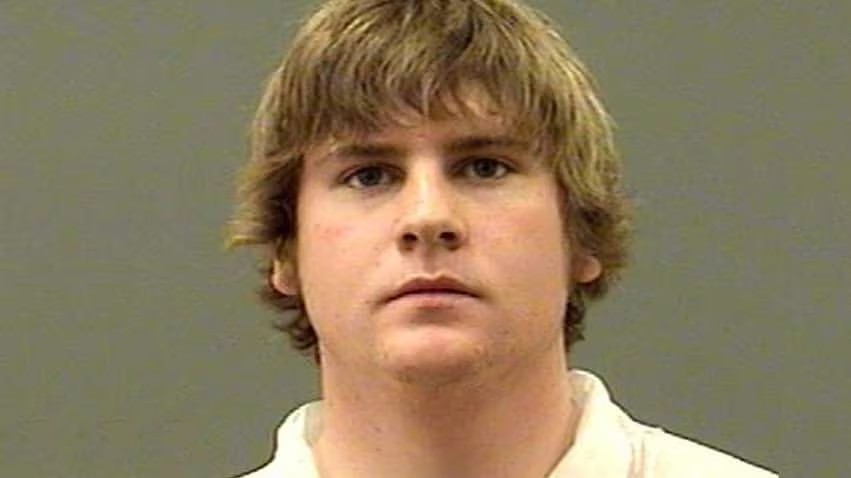
For over a decade, the brutal murders of a man and a mother-daughter pair in Lantana, Florida, remained unsolved, leaving a community in fear and families without answers. The 1991 stabbing of Martin Gatto and the 1992 shooting deaths of Rita and Lisa Bado were baffling crimes that eventually went cold. The cases were unconnected in the public's mind until years later when advances in DNA technology pointed to one man: James Anthony Frederick. A transient career criminal already serving a lengthy prison sentence in Wisconsin for armed robbery, Frederick was a ghost who moved between states and identities. His eventual capture through a national DNA database provided a stunning resolution to the cold cases, highlighting the power of forensic science and bringing a long-delayed measure of justice.
Early Life and Background
Little is publicly known about the early life and upbringing of James Anthony Frederick, who was born on June 21, 1960. Before the murders, he was established as a transient criminal with a history of offenses including arson, selling narcotics, and resisting arrest. He was known to use a series of aliases to evade law enforcement, including David Anthony Fenton, Jay Frederick, David Allen Kirchner, and James Reichard. This nomadic and criminal lifestyle allowed him to move between states, including Florida and Wisconsin, without leaving a clear trail for authorities to follow. Records show he had a juvenile record and spent time in both youth detention and the adult prison system before committing the murders in Florida.
The Murder of Martin Gatto
On December 9, 1991, police in Lantana, a town in Palm Beach County, Florida, were called to an apartment on Ridge Road to conduct a welfare check. Inside, they discovered the body of 40-year-old Martin J. Gatto. He had been stabbed multiple times with a knife.
Investigators interviewed neighbors, but no one reported hearing any disturbances or strange noises the previous night. The crime scene offered few immediate clues. Gatto was a filing clerk for the Palm Beach County Clerk of Courts Office and was described by his colleagues as a diligent and conscientious worker who was well-liked. The seemingly random and violent nature of his death was a shock to those who knew him. With no witnesses and little evidence to go on, the investigation into Gatto's murder eventually stalled and the case went cold.
The Murders of Rita and Lisa Bado
Eight months later, on August 22, 1992, another horrific crime shook the community of Lantana. The bodies of 45-year-old Rita Ann Bado and her 20-year-old daughter, Lisa Ann Bado, were found inside their residence at the Runaway Bay apartment complex. The discovery was made by Rita's concerned brother and his wife, who went to check on them after Rita, a cashier at a local Walmart, failed to show up for her shift.
Inside the apartment, investigators found a brutal scene. Both women were in the master bedroom, bound, partially nude, and showing signs of sexual assault. They had both been shot to death with a small-caliber weapon. The initial detective on the case, Clarence Backherms, noted that there were no signs of forced entry, and most valuables had been left behind, suggesting the killer may have been an acquaintance. The primary item missing was Lisa's black Honda CR-X, which was found abandoned a few days later outside a warehouse in the nearby town of Hypoluxo.
The timing of the murders critically hampered the investigation. The bodies were discovered just as South Florida was bracing for the arrival of Hurricane Andrew, a catastrophic Category 5 storm. In the days that followed, the hurricane devastated the region, diverting law enforcement resources and overwhelming the community. Floodwaters from the storm also potentially destroyed evidence related to the case. The double homicide, dubbed the "Hurricane Homicides" in some media reports, was quickly overshadowed by the natural disaster. Despite being featured on the television show *A Current Affair* in 1993, the case generated no significant leads and, like the Gatto murder, went cold.
The Victims
- Martin J. Gatto, 40 — A New York native, Martin worked as a filing clerk in the child support division of the Palm Beach County Clerk of Courts Office. He was known by his colleagues as a hardworking and well-regarded employee who got along with everyone.
- Rita Ann Bado, 45 — Rita and her daughter had moved to Lantana from Torrington, Connecticut, about a year before their deaths, seeking a fresh start. She worked as a cashier at a Walmart in Delray Beach.
- Lisa Ann Bado, 20 — Lisa had moved to Florida with her mother, Rita. She was a culinary student at the time of her death.
Investigation and Capture
For years, the murders of Gatto and the Bados remained among Palm Beach County's most baffling unsolved crimes. Investigators looked at numerous suspects in the Bado case, but the trail remained cold. In 2001, however, detectives revisited the case and came across a familiar name: James Anthony Frederick. He was a known transient who had lived in Palm Beach County during the time of the murders and had a lengthy criminal record. An early report noted that the original detective, Clarence Backherms, had suspected Frederick shortly after the Bado murders because the weapon used was similar to one Frederick had used in an unrelated robbery.
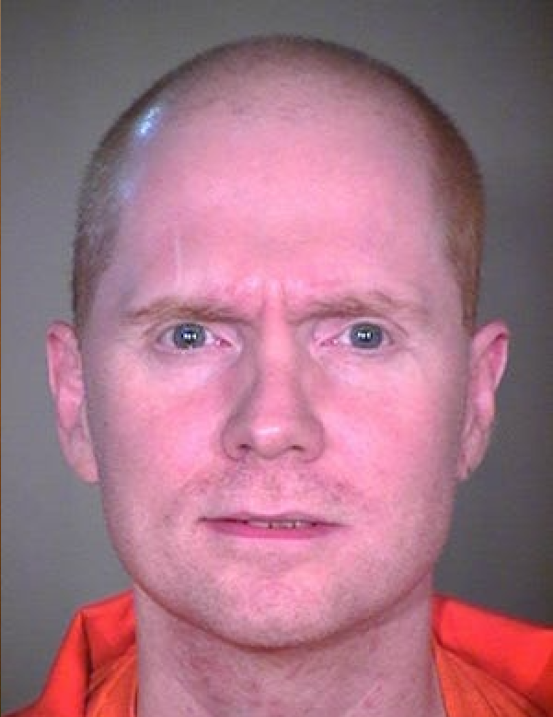
By 2001, Frederick was already in prison. In 1995, he had been arrested in Wisconsin and was subsequently convicted of armed robbery, illegal possession of a firearm by a felon, and reckless injury. He was sentenced to a 97-year term and incarcerated at the Green Bay Correctional Institution. Florida detectives traveled to Wisconsin to interview him about the Lantana murders, but Frederick provided no useful information.
The breakthrough came with the advancement of forensic technology. Investigators had preserved crucial evidence from the Bado crime scene, including a hair and four cigarette butts. They submitted a DNA profile extracted from this evidence to the national Combined DNA Index System (CODIS). In May 2003, nearly eleven years after the murders, CODIS returned a match: James Anthony Frederick.
Trial and Sentence
Following the DNA match, a Palm Beach County grand jury indicted Frederick in April 2003 on two counts of first-degree murder for the deaths of Rita and Lisa Bado, along with charges of sexual battery, burglary, kidnapping, and grand theft. Authorities began the process of extraditing him from Wisconsin to Florida to face trial, announcing their intent to seek the death penalty.
Initially, Frederick maintained his innocence. However, on November 28, 2005, facing overwhelming DNA evidence, he chose to accept a plea deal. He pleaded guilty in Palm Beach County Circuit Court to two counts of first-degree murder with a firearm. In exchange for the plea, prosecutors dropped the other charges and agreed not to seek the death penalty. A blog post from the time reported that Frederick was hostile when questioned by the judge about the plea bargain. The motive was determined to be robbery, with reports stating he killed the two women for money and a television set. The judge sentenced him to two consecutive life sentences, to be served after he completes his 97-year sentence in Wisconsin.
In October 2006, while Frederick was serving his sentences, DNA evidence also linked him to the 1991 murder of Martin Gatto. He was charged with Gatto's murder and extradited back to Florida. Though he was a known acquaintance of Gatto, Frederick denied knowing him or ever being in his apartment. Ultimately, prosecutors decided not to take him to trial for the Gatto murder, as he was already guaranteed to spend the rest of his life in prison.
Aftermath and Legacy
The identification and conviction of James Anthony Frederick brought a close to three murder cases that had haunted Palm Beach County for more than a decade. The resolution was a testament to the persistence of cold-case detectives and the revolutionary impact of DNA databases in solving crimes long after the trail has seemingly disappeared. The case, particularly the Bado murders, was featured on the Oxygen documentary series *Florida Man Murders* in an episode titled "Hurricane Homicides," examining the unique challenges the investigation faced due to the storm.
Frederick's ability to move between states and adopt new identities underscores the difficulties law enforcement faced in tracking transient criminals before the widespread use of interconnected digital records and DNA technology. As of today, James Anthony Frederick remains incarcerated at the Green Bay Correctional Institution in Wisconsin, serving his sentence for armed robbery before his Florida life sentences begin.