The Oklahoma City Butcher
An Unidentified Killer in Oklahoma City
The Oklahoma City Butcher is the name given to an unidentified serial killer believed to have murdered and dismembered three young Indigenous women in Oklahoma City, Oklahoma, between 1976 and 1986. The victims were Cathy Lyn Shakelford, Arley Bell Killian, and Marcia Tina Sanders. Each woman was living in vulnerable circumstances when she disappeared, and each was found in or near neglected areas of the city. Investigators eventually concluded that the similarities among the three crimes were too significant to dismiss as coincidence.
The killer's identity has never been established. No person has been convicted of any of the three murders, and the investigation remains one of Oklahoma City's most disturbing unsolved serial murder cases. Although the victims' remains were discovered on specific dates, their precise times and dates of death were not conclusively established in publicly available records. The dates below therefore distinguish between confirmed discovery dates and estimated periods of death.
The Murder of Cathy Lyn Shakelford
Cathy Lyn Shakelford was a young member of the Sac and Fox Nation who had reportedly left home as a teenager and was living without stable housing in Oklahoma City. She was approximately 17 years old when she disappeared. Her relatives did not know what had happened to her, and for many years the remains recovered in Oklahoma City were not connected to her name.
On April 1, 1976, three oil workers entered an abandoned house at 325 Northeast 6th Street in Oklahoma City. Inside, they discovered the head of a young woman in a popcorn bucket. Police were called to the property, where a search revealed additional remains scattered through different areas of the building. Her arms, legs, and torso had been separated, and investigators found evidence that her face and body had been deliberately mutilated.
Because no immediate identification could be made, Shakelford was initially treated as an unidentified homicide victim. Her exact date of death remains unknown. Reports indicated that she had last been seen alive several weeks or months before her remains were found, meaning she may have died well before April 1, 1976. That date is the confirmed date of discovery rather than a medically verified date of death.
For approximately 17 years, her identity remained a mystery. In 1993, a relative searching for Cathy contacted authorities. Investigators compared the missing teenager's information with records from the unidentified 1976 victim. DNA testing ultimately confirmed that the remains belonged to Cathy Lyn Shakelford, finally restoring her name to a case that had been known only through the terrible circumstances of the discovery.
The Murder of Arley Bell Killian
Three years after Shakelford's remains were found, another young Indigenous woman was murdered and dismembered in Oklahoma City. Arley Bell Killian was 22 years old and was reportedly experiencing homelessness and substance-use difficulties. Despite the challenges in her life, witnesses were able to provide investigators with a narrow timeline of her final known movements.
On April 19, 1979, children playing basketball discovered a human head near a neighborhood recreation area. Police searched the surrounding streets and properties, finding additional remains over the following days and weeks. Some of the body parts had been placed in bags or wrapped in newspaper before being abandoned in several locations. Investigators noted that portions of the remains appeared to have been washed, leaving unusually little visible blood.
Killian was reportedly last seen alive only about four hours before the first remains were found. This suggests that she was probably killed on April 19, 1979, although a precise medical time of death has not been publicly confirmed. Authorities identified her approximately one week after the discovery through physical evidence and information gathered during the investigation.
The distribution of Killian's remains caused investigators to search a wide area. Additional portions of her body continued to appear for roughly two months. The manner in which the remains were separated, cleaned, wrapped, and placed around the neighborhood suggested that the offender had spent considerable time handling them. Investigators also considered whether the killer was intentionally prolonging the discovery process or attempting to taunt police.
The Murder of Marcia Tina Sanders
Nearly seven years passed before the third recognized victim was discovered. Marcia Tina Sanders, whose name has also been reported as Tina Marcia Sanders, was a 22-year-old Indigenous woman living as a transient in Oklahoma City. She was last seen alive on March 5, 1986.
On March 6, 1986, a resident near 501 Northeast 1st Street discovered a woman's upper torso, lower left leg, and pieces of tissue in an alley behind his home. Two distinctive tattoos on the shoulder helped police identify the victim as Sanders. Because she had been seen alive the previous day, investigators believed she was killed sometime between March 5 and March 6, although the exact time and date of death were not publicly established.
Six days after the initial discovery, a severed head believed to belong to Sanders was found behind a residence near 507 North Lindsay Avenue, approximately one block away. A fire had burned near the location, leaving severe damage to the face. The placement of the remains in separate locations strongly resembled the treatment of Arley Bell Killian's body in 1979.
The Sanders investigation prompted Oklahoma City police to reexamine the earlier killings. Detectives compared the condition of the remains, the victims' backgrounds, and the locations where body parts had been abandoned. In April 1986, authorities publicly announced that they believed one person may have been responsible for all three murders. The unidentified offender became known as the Oklahoma City Butcher.
Known Victims and Confirmed Locations
- Cathy Lyn Shakelford: Approximately 17 years old. Her exact date of death is unknown. Her dismembered remains were discovered on April 1, 1976, inside an abandoned house at 325 Northeast 6th Street in Oklahoma City, Oklahoma. She remained unidentified until DNA testing confirmed her identity in 1993.
- Arley Bell Killian: 22 years old. She was last seen alive shortly before her remains were found and was probably killed on April 19, 1979, although the precise time of death was not conclusively established. Her head was discovered near a recreation area in Oklahoma City, with additional remains found throughout the surrounding neighborhood over the following days and weeks.
- Marcia Tina Sanders: 22 years old. She was last seen on March 5, 1986, and was believed to have been killed between March 5 and March 6. Her torso and other remains were discovered on March 6, 1986, in an alley near 501 Northeast 1st Street in Oklahoma City. Her head was found six days later near 507 North Lindsay Avenue.
The Connections Between the Murders
Investigators linked the cases because all three victims were young Indigenous women living in unstable or vulnerable circumstances. Each victim was beheaded, dismembered, and subjected to deliberate mutilation. The offender removed or failed to leave certain portions of the victims' bodies, and some remains appeared to have been carefully cleaned before disposal.
The first two victims reportedly suffered similar injuries to the lower portion of the face. In all three cases, the killer transported or arranged body parts in abandoned structures, alleys, recreational spaces, or residential neighborhoods. These actions suggested that the offender was familiar with Oklahoma City and knew where remains might remain unnoticed long enough to delay an investigation.
The lengthy intervals between the murders complicated the case. Three years separated the discoveries of Shakelford and Killian, while nearly seven years passed before Sanders was killed. Investigators could not determine whether the offender stopped killing during those periods, committed additional murders that were never connected, moved away from Oklahoma City, or targeted victims whose remains were never recovered.
Henry Lee Lucas and the Question of a Suspect
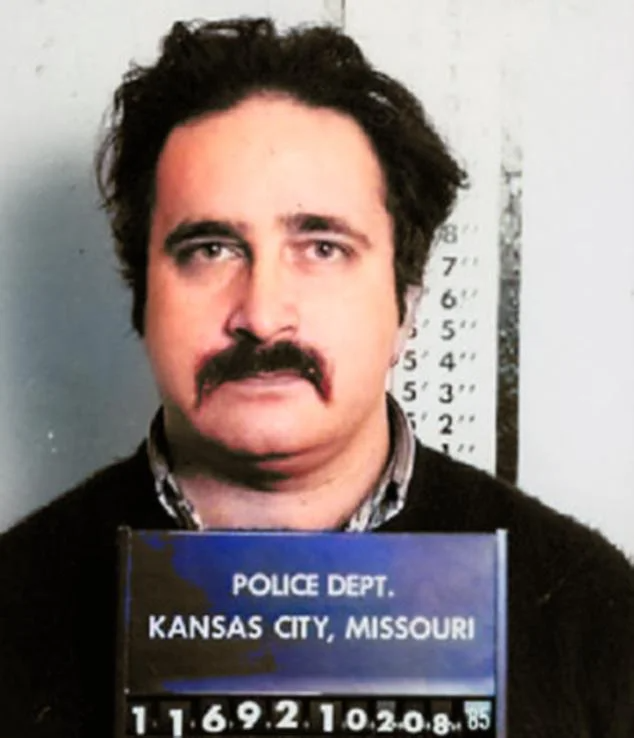
Convicted murderer Henry Lee Lucas reportedly confessed to killing Arley Bell Killian. Lucas became notorious for claiming responsibility for hundreds of murders across the United States. Investigators initially examined many of his statements, but extensive reviews later showed that numerous confessions were false or impossible because Lucas could be documented in other locations when the crimes occurred.
His claim concerning Killian did not result in a conviction, and authorities never proved that he killed her. The similarities among the murders also suggested that Killian's death could not be considered separately from the killings of Shakelford and Sanders. Lucas has therefore remained only a proposed or disputed suspect rather than an identified perpetrator in the Oklahoma City Butcher case.
An Unsolved Investigation
The Oklahoma City Butcher has never been named, arrested, or prosecuted. No publicly confirmed physical evidence has established the identity of the person who murdered the three women. It is also unknown whether the killer acted alone, had access to a private location where the bodies could be dismembered, or possessed professional experience with anatomy, cutting instruments, or meat processing.
The crimes occurred before modern DNA databases and advanced forensic techniques became widely available. Evidence collection practices in the 1970s and 1980s were also less sophisticated than those used today. The prolonged period during which Shakelford remained unidentified further limited investigators' ability to reconstruct her final days and determine whom she may have encountered before her death.
The case is now remembered not only because of the unidentified killer's brutality, but also because the victims belonged to a population that has historically received inadequate attention in missing-person and homicide investigations. Cathy Lyn Shakelford, Arley Bell Killian, and Marcia Tina Sanders were three individual women with families and personal histories, not merely unnamed victims of a mysterious offender.
The Continuing Search for Answers
Decades after the final known murder, the identity of the Oklahoma City Butcher remains unknown. Investigators have never publicly confirmed whether the offender died, moved away, was imprisoned for another crime, or continued killing elsewhere. The possibility that other unsolved homicides could be connected has never been completely eliminated, but only the three Oklahoma City victims have been officially associated with the same suspected killer.
The confirmed discovery dates are April 1, 1976, for Cathy Lyn Shakelford; April 19, 1979, for Arley Bell Killian; and March 6, 1986, for Marcia Tina Sanders. Because forensic records have not established exact death dates for all three victims, those discovery dates should not automatically be treated as the dates on which every murder occurred.
The Oklahoma City Butcher case remains an open symbol of unanswered violence against vulnerable Indigenous women. Until reliable evidence identifies the person responsible, the murders of Shakelford, Killian, and Sanders remain unresolved, and their families continue to be denied a definitive explanation of who killed them and why.