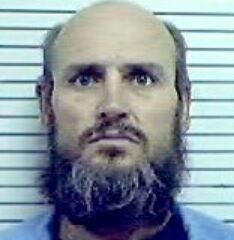
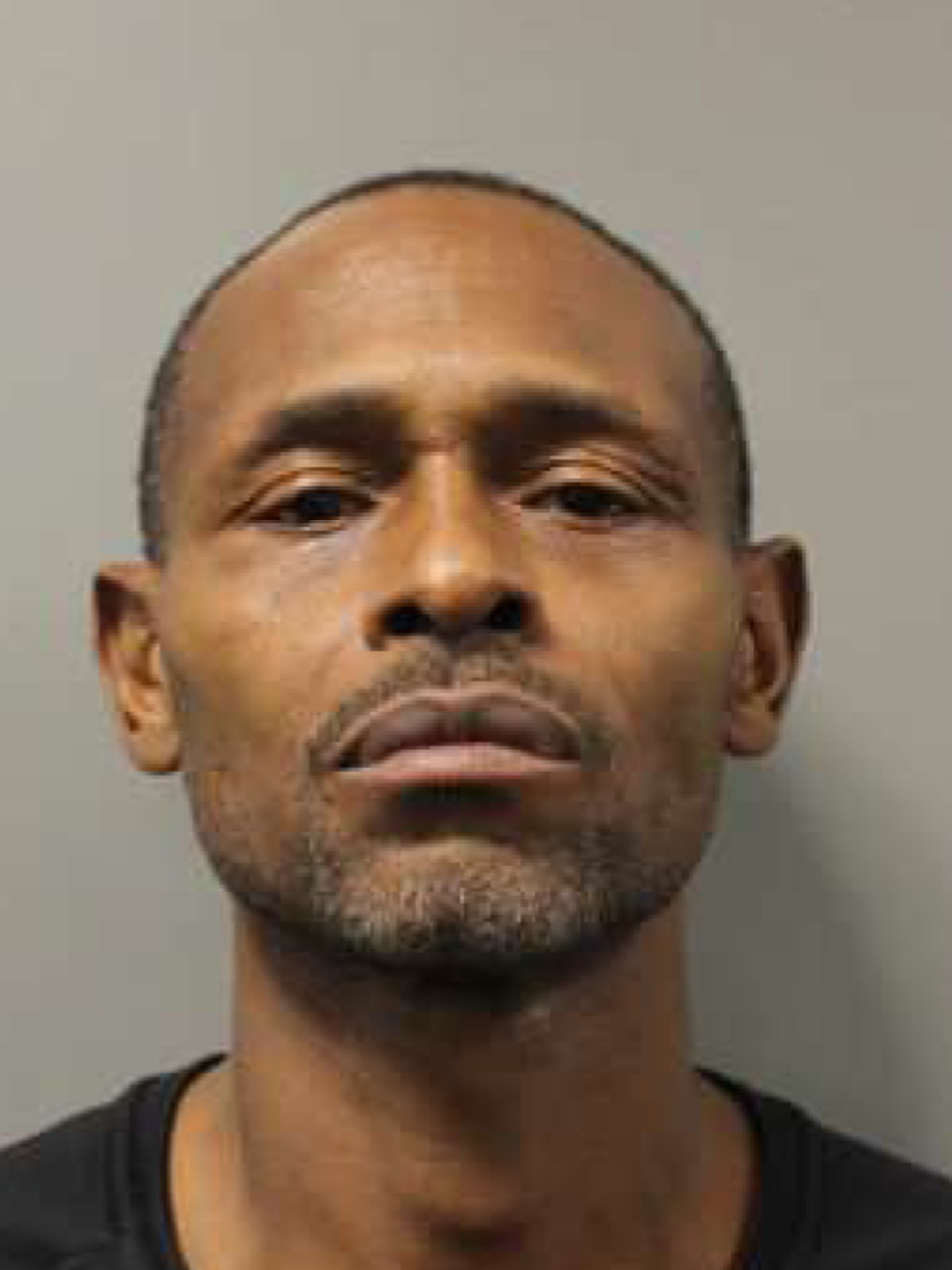
Fredrick Demond Scott and the Indian Creek Trail Killings
Overview
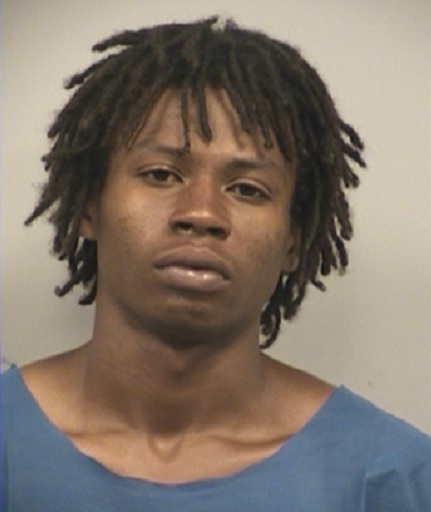
Fredrick Demond Scott is an accused American serial killer charged with murdering six people in and around Kansas City, Missouri, between August 2016 and August 2017. Five of the killings occurred on or near walking trails in southern Kansas City, including sections of the Indian Creek Trail. The apparently unprovoked shootings created widespread fear among residents who had previously regarded the trails, parks and nearby residential areas as safe places to walk, exercise and take their dogs outdoors.
Scott was born on November 18, 1994, and lived in southern Kansas City. He was only 21 when the first victim was killed. Prosecutors allege that he selected people who were alone or vulnerable, approached them in public or semi-secluded locations and shot them without an obvious personal dispute. Five of the six victims were older men, while the sixth was a woman living in a campsite in neighboring Grandview.
Although Scott is frequently described as the suspected “Indian Creek Trail Killer,” he has not been convicted of the six murders. He faces six counts of first-degree murder and six counts of armed criminal action. His criminal case has been repeatedly delayed by questions concerning his mental competency, changes in his legal representation and the need for psychiatric evaluations and treatment.
Victims and Verified Dates
- John W. Palmer, 55 — August 19, 2016 — Indian Creek Trail near Bannister Road and Lydia Avenue, Kansas City, Missouri: Palmer was found fatally shot beside the trail. Investigators said his body had been pulled or dragged away from the main path. According to charging documents, Scott later admitted shooting Palmer and moving his body. The killing became the first in a sequence of attacks that investigators eventually believed shared important similarities.
- David Lenox, 66 — February 27, 2017 — Willow Creek Apartments near 99th Street and Walnut Street, Kansas City, Missouri: Lenox was shot while walking his dogs near the apartment complex and the Indian Creek Trail. His death intensified concern that someone might be deliberately targeting solitary pedestrians. Police found no apparent robbery motive or personal connection between Lenox and his killer.
- Timothy S. Rice, 57 — April 4, 2017 — Minor Park near 1601 East Red Bridge Road, Kansas City, Missouri: Rice was discovered inside or near a park shelter along the trail system. He had been shot. His body was reportedly located on April 3, while official case summaries and the later indictment placed the charged killing on or about April 4. The location, the use of a firearm and the lack of an obvious personal motive strengthened suspicions that the trail-area homicides were connected.
- Michael “Mike” Darby, 61 — May 18, 2017 — Indian Creek Trail near 373 West 101st Street Terrace, Kansas City, Missouri: Darby was shot while walking his dogs near the trail. He was a local businessman and co-owner of Coach’s Bar and Grill. When he failed to return home, relatives began searching for him. His body was found near the trail, and his death deeply affected both his family and the surrounding community.
- Karen Louise Harmeyer, 64 — July 18, 2017 — wooded area near the 12000 block of Blue Ridge Boulevard, Grandview, Missouri: Harmeyer lived in a tent in a wooded campsite behind a church. She was found shot to death inside or near her tent. Unlike most of the other victims, she was not an older man walking on a Kansas City trail, but prosecutors alleged that evidence connected Scott to her killing. Her body remained unclaimed for months before members of the Grandview community arranged a funeral and burial for her.
- Steven Gibbons, 57 — August 13, 2017 — 1146 East 67th Street near Troost Avenue, Kansas City, Missouri: Gibbons was shot in the back of the head after getting off a city bus. Surveillance footage showed a man following him from the bus. Investigators recovered a discarded iced-tea bottle believed to have been handled by the follower. DNA from the bottle was later matched to DNA collected from a cigarette discarded by Scott, providing police with a major break in the investigation.
The Beginning of the Trail Murders
The series began with the death of John Palmer on August 19, 2016. Palmer’s body was discovered along the Indian Creek Trail near Bannister Road and Lydia Avenue. He had been shot with a 9mm firearm. The positioning of his remains suggested that someone had moved him away from the path, possibly in an attempt to delay discovery.
At first, Palmer’s murder appeared to be an isolated crime. There were no immediate signs that he had been targeted by someone he knew, and investigators did not publicly identify a robbery, argument or other conventional motive. His death nevertheless established several characteristics that would later become important: the victim was alone, the attack occurred near a recreational trail and a firearm was used without any apparent warning.
Approximately six months later, David Lenox was killed while walking his dogs near the Willow Creek Apartments. Lenox’s murder occurred close to the same trail network. The similarities between the two cases were difficult to ignore, particularly because both men appeared to have been attacked while engaged in ordinary outdoor routines.
Fear Along Indian Creek Trail
The killings of Timothy Rice and Mike Darby during the spring of 2017 transformed isolated concern into public fear. Rice was found at Minor Park in early April. Darby was killed six weeks later while walking his dogs near another portion of the Indian Creek Trail. By that point, four men had been shot in the same general region within nine months.
Residents began reconsidering whether it was safe to use the trail alone. Walkers changed their routines, traveled in groups or avoided secluded sections. Police increased patrols and examined the cases for common evidence. Investigators noted similarities in victim selection, location and method, although the shootings involved more than one firearm caliber.
The use of different weapons complicated the investigation. Evidence associated with the murders included 9mm, .380-caliber and .22-caliber ammunition. This prevented detectives from relying on a single gun as the immediate connection among all the cases. Instead, they had to compare locations, victim behavior, physical evidence, witness accounts and the movements of possible suspects.
The Murder of Karen Harmeyer
Karen Harmeyer was killed in Grandview in July 2017. She lived in a tent in a wooded area near Blue Ridge Boulevard and Grandview Avenue. Friends in the area knew her and later remembered her as a familiar presence in the community.
Harmeyer was shot in the place where she lived, leaving her particularly vulnerable. Her killing did not initially appear to fit the exact pattern of men attacked while walking near Kansas City trails. However, Grandview investigators shared information with Kansas City police, and prosecutors eventually charged Scott with her murder.
Harmeyer’s case also drew attention because her body remained unclaimed at the medical examiner’s office. Members of the local community, church representatives and a police chaplain eventually helped arrange a funeral. She was laid to rest months after her death, ensuring that she was not buried without recognition or remembrance.
The Steven Gibbons Investigation
The killing of Steven Gibbons provided investigators with evidence that led directly to Scott. On August 13, 2017, Gibbons rode a Kansas City Area Transportation Authority bus and got off near East 67th Street. Surveillance recordings showed another man leaving the bus and appearing to follow him.
Gibbons was later found with a fatal gunshot wound to the back of his head. Near the scene, investigators recovered a Brisk iced-tea bottle believed to have been discarded by the man seen following him. Detectives reviewed the surveillance footage and began searching for someone matching the individual’s appearance.
Several days later, officers encountered Scott and believed he resembled the person in the recording. They observed him discard a cigarette and collected it as evidence. Laboratory testing reportedly established that DNA on the cigarette matched DNA recovered from the iced-tea bottle. Police now had physical evidence connecting Scott to the route taken by Gibbons shortly before the murder.
Scott’s Arrest and Alleged Admissions
Scott was arrested in August 2017. During questioning, he allegedly made statements concerning the deaths of Gibbons and Palmer. Charging documents stated that Scott admitted shooting Palmer and dragging his body away from the trail.
Regarding Gibbons, Scott reportedly claimed that the shooting was accidental. He allegedly told investigators that a handgun discharged as he removed it from his pocket. Police recovered a 9mm handgun from Scott’s residence, and Scott reportedly identified it as the weapon involved in Gibbons’s death. Investigators did not accept the account as an innocent accident, particularly because Gibbons had been shot in the back of the head after being followed from a bus.
Scott had also reported firearms stolen at different times surrounding several of the killings. Investigators examined those reports and compared them with the dates, calibers and locations associated with the murders. Prosecutors initially charged him with killing Palmer and Gibbons while continuing to investigate the other trail-area deaths.
Expansion to Six Murder Charges
In October 2017, prosecutors filed a third first-degree murder charge against Scott for the death of Karen Harmeyer. The case was built through cooperation between the Grandview Police Department and Kansas City detectives.
On March 2, 2018, a Jackson County grand jury indicted Scott for the murders of David Lenox, Timothy Rice and Michael Darby. The indictment brought the total to six first-degree murder charges. Each murder charge was accompanied by a charge of armed criminal action.
The prosecution alleged that the attacks were deliberate killings rather than robberies, confrontations or accidental shootings. The victims apparently had no meaningful relationship with Scott. The absence of a clear personal connection suggested that they may have been selected because they were alone and accessible.
Possible Motive
Questions about Scott’s motive arose after authorities and news organizations reported that he had previously made a threat about killing white people. All six people he is charged with killing were white, and five were older white men. This history prompted speculation that racial hatred may have influenced his victim selection.
Prosecutors, however, did not formally announce a proven racial motive when the charges were filed. The reported statement is significant evidence that investigators may examine, but it does not by itself establish why each victim was targeted. No evidence has been publicly presented showing that Scott knew the victims or selected them after learning personal information about them.
The attacks could also reflect a combination of opportunity, fixation on certain locations, hostility toward particular groups and serious mental illness. Until evidence is presented and tested in court, the precise motive remains an allegation and a subject of interpretation rather than a legally established fact.
Mental Competency and Years of Delays
Scott’s case has remained unresolved for years because of repeated concerns about whether he is mentally competent to stand trial. Competency does not determine whether a defendant was legally insane when a crime occurred. It concerns whether the defendant currently understands the proceedings and can communicate with attorneys well enough to participate in a defense.
Scott has undergone multiple mental-health evaluations and periods of treatment. He has reportedly been diagnosed with schizophrenia while in custody. At different times, evaluators and judges have reached different conclusions about whether his condition had improved enough for criminal proceedings to continue.
Several trial dates were scheduled and later abandoned. Delays were also caused by changes involving defense attorneys and disputes over psychiatric findings. The prolonged proceedings have been especially painful for the victims’ relatives, many of whom have repeatedly prepared for a trial only to learn that it would not begin.
In July 2025, a Jackson County judge ruled that Scott had been restored to competency and could proceed toward trial. A trial was subsequently scheduled to begin on August 31, 2026, with opening statements expected in September. Because the trial had not occurred at the time of that scheduling, Scott remained an accused defendant presumed innocent under the law unless convicted or found guilty through the judicial process.
Impact on the Kansas City Community
The Indian Creek Trail killings changed the way many Kansas City residents viewed familiar public spaces. The victims were carrying out ordinary activities: walking dogs, traveling home, resting in a park shelter or living in a campsite. Their deaths demonstrated how quickly a routine environment could become associated with danger.
The investigation also showed the importance of cooperation among local police departments, prosecutors, transit officials, forensic laboratories and members of the public. Bus surveillance footage, discarded items containing DNA, firearm evidence and information shared between Grandview and Kansas City investigators all contributed to the charges.
For the victims’ families, however, identifying and charging a suspect did not bring a swift resolution. More than eight years after Scott’s arrest, relatives were still waiting for a jury to hear the evidence. Their experience reflects the difficult balance between the right of victims’ families to seek justice and the legal requirement that a defendant be mentally capable of participating in a trial.
Summary
Fredrick Demond Scott stands accused of carrying out six fatal shootings over approximately one year. The killings began with John Palmer in August 2016 and ended with Steven Gibbons in August 2017. Between those deaths, David Lenox, Timothy Rice, Michael Darby and Karen Harmeyer were also shot and killed.
The locations and circumstances varied, but most of the attacks involved victims who were alone near trails, parks or quiet residential areas. Investigators connected Scott to the case through surveillance footage, DNA evidence, firearms, his reported statements and additional evidence presented to a grand jury.
Scott has been charged with six counts of first-degree murder and six counts of armed criminal action. His case remains defined not only by the allegations of six apparently unprovoked killings, but also by years of competency hearings and postponed trials. Until the charges are resolved in court, he must accurately be described as an accused or alleged serial killer rather than a convicted one.