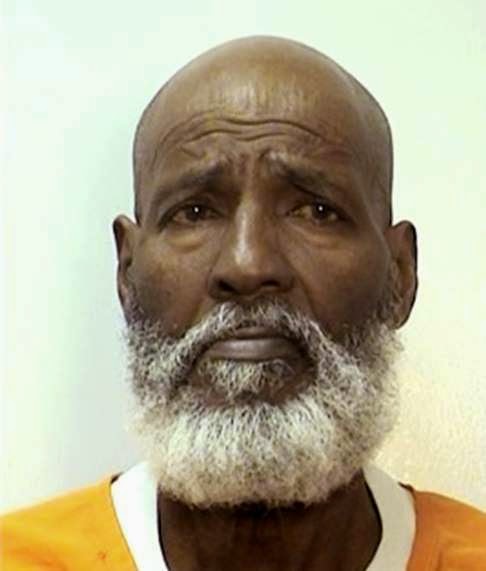
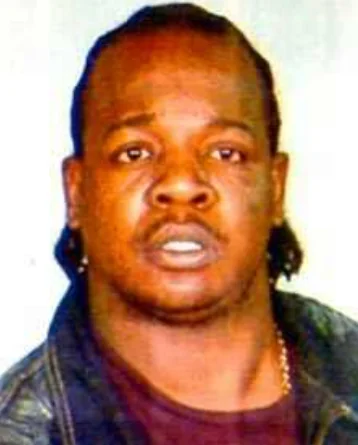
John Edward Swindler: A Multistate Killer and the Murder of Officer Randy Basnett
Overview
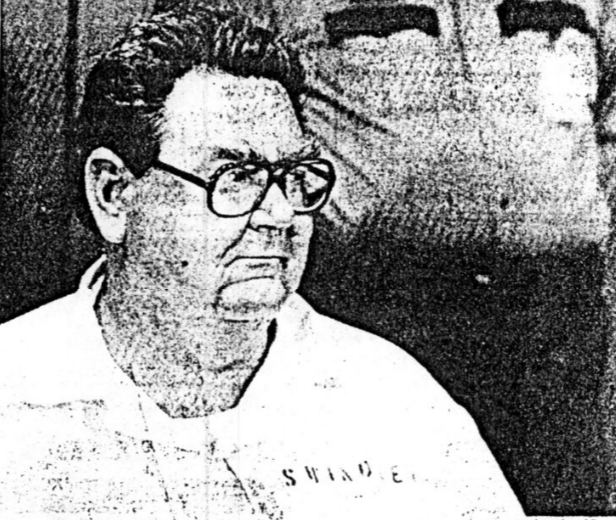
John Edward Swindler was an American murderer whose violent crimes crossed several state lines during the 1970s. He was convicted of killing two teenagers in South Carolina and later sentenced to death for murdering Fort Smith, Arkansas, police officer Randy Basnett. Authorities also investigated Swindler in connection with an additional homicide in Florida, although that case did not result in a conviction.
Swindler's confirmed crimes involved kidnapping, shootings, stolen vehicles and an attempt to remain mobile while avoiding capture. By September 1976, police agencies in several states considered him armed and dangerous. His flight ended only after he encountered Officer Basnett at a service station in Fort Smith and opened fire during what began as a routine identification check.
Early Life and Criminal Background
John Edward Swindler was born on May 12, 1944, in Columbia, South Carolina. Details about his childhood are limited, but by adulthood he had developed a lengthy criminal history. He served time in federal prison, including a period at the United States Penitentiary in Leavenworth, Kansas.
After his release, Swindler continued committing crimes and traveling between states. Investigators connected him to automobile thefts, kidnappings and homicides. He carried several firearms and a large quantity of ammunition, suggesting that he expected to confront police or anyone else who interfered with him.
The South Carolina Double Murder
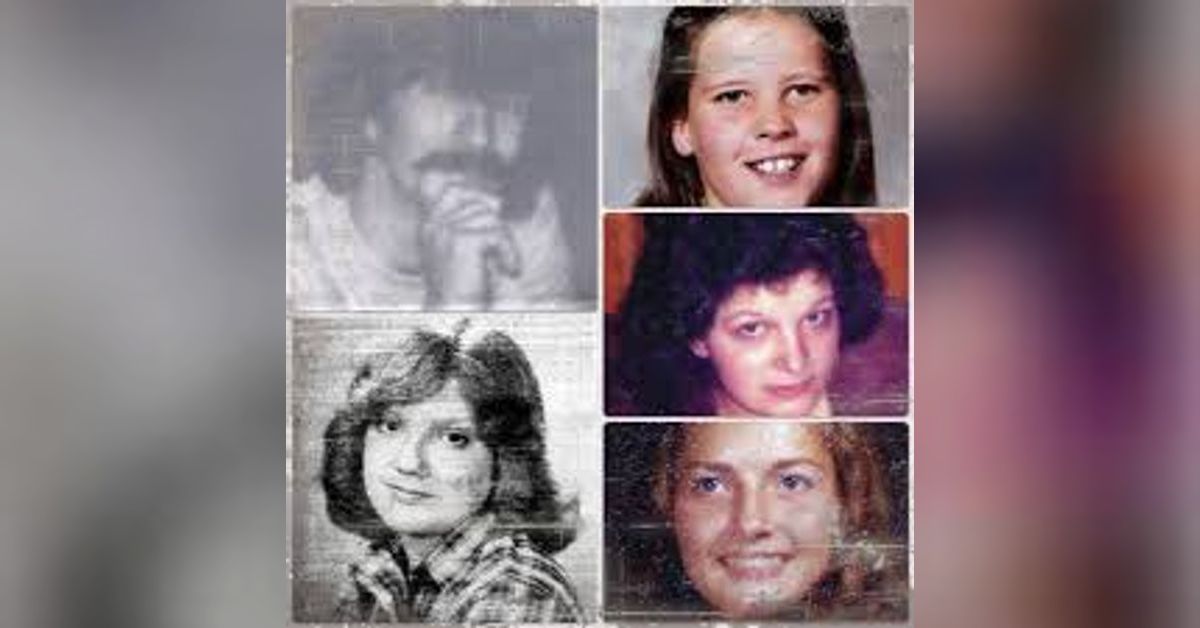
In September 1976, Swindler kidnapped and murdered two teenagers, Gregory Becknell and Dorothy Ann Rhodes, in the Columbia, South Carolina, area. The precise dates of their deaths are not consistently identified in publicly available records, but both killings occurred shortly before Swindler reached Arkansas on September 24, 1976.
Authorities regarded the deaths as a connected double homicide. Swindler was accused of abducting the teenagers and killing them before fleeing South Carolina. Arrest bulletins containing his description and information about the vehicle he was believed to be driving were distributed to police departments along his possible route.
Swindler was later returned to South Carolina and convicted of two counts of murder and two counts of kidnapping. He received life sentences for those crimes. The South Carolina convictions established that the deaths of Becknell and Rhodes were not merely suspected offenses but confirmed murders legally attributed to Swindler.
The Murder of Officer Randy Basnett
On the afternoon of September 24, 1976, Swindler arrived in Fort Smith, Arkansas, while driving a stolen automobile bearing South Carolina license plates. He had reportedly intended to travel toward Leavenworth, Kansas, where he wanted to confront people against whom he held grudges from his earlier imprisonment. After becoming confused while traveling near Interstate 40 and Interstate 540, he entered Fort Smith.
Fort Smith patrol officers had been warned that Swindler was wanted in connection with the South Carolina murders and other crimes. The warning described him as armed and dangerous and included information about the vehicle he might be driving.
Patrolman Randy Basnett noticed Swindler and the stolen car at a service station near the Kelley Highway exit. Basnett radioed the location to dispatchers, and additional officers were sent to assist him. Before backup arrived, Basnett approached the car and asked Swindler for identification.
Swindler suddenly drew a revolver and shot Basnett twice in the chest. Although critically wounded, Basnett returned fire and struck Swindler. Swindler then drove away from the service station, attempting to escape before other officers arrived.
Unfamiliar with Fort Smith, Swindler turned onto a road that ended in a soybean field near the Arkansas River. Police officers responding to Basnett's radio call quickly surrounded and arrested him. Officers found multiple firearms and hundreds of rounds of ammunition in his possession.
Basnett was transported by ambulance toward Sparks Regional Medical Center but died before reaching the hospital. His death transformed the interstate search for Swindler into an Arkansas capital murder prosecution.
Confirmed Victims
- Gregory Becknell – Murdered in September 1976 in or near Columbia, South Carolina. Becknell was one of two teenagers kidnapped and killed by Swindler. Swindler was convicted of Becknell's murder and kidnapping and received a life sentence in South Carolina.
- Dorothy Ann Rhodes – Murdered in September 1976 in or near Columbia, South Carolina. Rhodes was abducted and killed during the same series of crimes as Gregory Becknell. Swindler was convicted of her murder and kidnapping and received a life sentence.
- Patrolman Randy Basnett – Shot on September 24, 1976, at a service station near the Kelley Highway exit in Fort Smith, Arkansas. Basnett was struck twice in the chest while checking Swindler's identification and died while being transported to the hospital.
The Florida Murder Allegation
Swindler was also charged in connection with another murder in Florida. The allegation contributed to the belief that his violence extended beyond the three murders for which he was ultimately convicted. However, the Florida case never produced a murder conviction, and the available public record does not establish that victim as one of Swindler's confirmed victims.
Because the Florida accusation remained unresolved, accounts of Swindler's total number of victims vary. He is generally credited with three confirmed murders, while some sources describe him as a suspected killer in a fourth death.
Arkansas Trial and Death Sentence
Swindler was prosecuted in Arkansas for the capital murder of Randy Basnett. The prosecution argued that Basnett was deliberately killed while performing his official duties and that Swindler fired in order to avoid identification and arrest.
Physical evidence, eyewitness testimony and the circumstances of Swindler's immediate capture strongly supported the state's case. Police had found him wounded shortly after the shooting, still driving the stolen vehicle and carrying an arsenal of weapons and ammunition. Basnett's radio transmission also established why he had approached Swindler at the service station.
On February 26, 1977, Swindler was sentenced to death for Basnett's murder. His South Carolina life sentences remained in place, but the Arkansas death sentence ultimately determined his fate.
Appeals and Years on Death Row
Swindler spent more than thirteen years under a death sentence while his attorneys pursued appeals in state and federal courts. As in many capital cases, the litigation examined the conduct of the trial, the selection of jurors, the admission of evidence and the constitutionality of the sentence.
None of the appeals permanently overturned his conviction or sentence. Arkansas officials eventually scheduled his execution for June 1990.
Execution
John Edward Swindler was executed by electrocution on June 18, 1990, at the Cummins Unit of the Arkansas Department of Correction. He was 46 years old.
His execution was historically significant because Arkansas had not executed a prisoner since 1964. Swindler became the first person put to death by the state after the reinstatement of capital punishment in the United States during the 1970s.
Arkansas had adopted lethal injection as its primary execution method, but inmates sentenced before the change could choose between lethal injection and electrocution. Swindler declined to make a selection, resulting in the use of the electric chair. He became the only prisoner executed in Arkansas's newer electric chair and the last person electrocuted by the state.
Classification as a Serial Killer
Swindler is often classified as a serial killer because he was convicted of three murders committed in separate locations and under different circumstances. The South Carolina teenagers were kidnapping victims, while Randy Basnett was a police officer killed during Swindler's attempt to avoid arrest.
His known offenses occurred within a relatively compressed period, making the distinction between serial murder and a multistate killing spree somewhat uncertain. Nevertheless, the separate victims, separate crime scenes and possible additional Florida homicide have led many crime references to include him among American serial killers.
Legacy
John Swindler's crimes left lasting consequences in both South Carolina and Arkansas. Gregory Becknell and Dorothy Ann Rhodes lost their lives during a violent abduction, while Randy Basnett was killed while carrying out his responsibilities as a police officer.
The Fort Smith shooting also demonstrated the danger posed when information about a wanted fugitive reaches an officer only moments before a confrontation. Basnett correctly identified Swindler and called for assistance, but Swindler attacked before backup officers could arrive.
Swindler's eventual capture prevented him from continuing toward Kansas with a cache of weapons and ammunition. His arrest ended a multistate sequence of kidnapping, murder, automobile theft and flight from law enforcement. His execution nearly fourteen years later marked the final legal chapter in one of Arkansas's most historically significant capital murder cases.