Dorothea Helen Puente: The Sacramento “Death House Landlady”
Overview
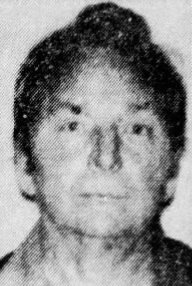
Dorothea Helen Puente was an American serial killer and financial predator who operated a boarding house at 1426 F Street in Sacramento, California. During the 1980s, she presented herself as a charitable and grandmotherly caregiver who provided housing to elderly people, individuals with disabilities, recovering alcoholics, and others who had few places to turn. Behind this carefully maintained image, Puente stole her tenants’ government benefits, forged their signatures, drugged them, and concealed their bodies.
Puente was charged with nine murders committed between 1982 and 1988. Seven victims were found buried around her Sacramento boarding house, while two others died or were disposed of elsewhere. In 1993, a jury convicted her of murdering three victims: Leona Carpenter, Dorothy Miller, and Benjamin Fink. Jurors could not reach unanimous verdicts in the remaining six cases.
Although Puente was often described as a landlady who killed for money, her crimes involved more than simple theft. She deliberately selected vulnerable people whose disappearances might not immediately attract attention. Some had serious health problems, mental illnesses, alcohol dependency, or limited contact with relatives. Puente gained control over their money, isolated them, and offered misleading explanations when social workers or family members asked where they had gone.
Early Life and Criminal History
Dorothea Helen Gray was born on January 9, 1929, in Redlands, California. Her childhood was marked by instability, poverty, and the early deaths of her parents. She later gave conflicting and frequently exaggerated accounts of her background, including stories intended to make her appear sophisticated, wealthy, or connected to prominent political families.
As an adult, she married several times and used different surnames and identities. Her fourth husband was Roberto Puente, whose surname she continued using long after their relationship ended. She became known in Sacramento as Dorothea Puente.
Puente accumulated a long record of fraud, forgery, theft, and drugging people in order to rob them. In January 1982, she met 74-year-old Malcolm McKenzie at a Sacramento bar. After going to his apartment, she allegedly placed drugs in his drink and stole jewelry, watches, coins, and other valuables while he was incapacitated. McKenzie survived and reported the robbery.
Puente was subsequently convicted of theft-related offenses and sentenced to prison. While incarcerated, she corresponded with an elderly Oregon man named Everson Gillmouth. After her release in September 1985, Gillmouth came to California and became closely involved with her. He disappeared soon afterward.
The Sacramento Boarding House
Puente operated her most notorious boarding house from a Victorian residence at 1426 F Street in downtown Sacramento. The property contained multiple rooms and apartments, allowing her to house several tenants at once. Social workers sometimes referred clients to her because she seemed patient, generous, and willing to accept people who required supervision.
Puente helped tenants apply for Social Security, disability, veterans, and other government benefits. She often arranged to become their representative payee, giving her legal access to their checks. In other cases, she forged signatures or assumed a victim’s identity. Once she controlled the income, she kept much of the money for herself.
Prosecutors argued that Puente administered dangerous combinations of prescription medications and sedatives to her victims. Drugs detected in remains included flurazepam, diazepam, codeine, amitriptyline, loxapine, carbamazepine, haloperidol, and other medications. Because many victims already had medical or psychiatric conditions, their deaths could initially appear natural or accidental.
After the victims died, their bodies were wrapped in sheets, blankets, plastic, or other materials. Most were placed in holes around the yard and covered with soil, concrete, sheds, plants, or landscaping. Puente continued collecting their benefits and sometimes sent forged letters to relatives to create the impression that the missing person was still alive.
Victims and Alleged Victims
- Ruth Munroe, 61 – April 28, 1982 – Sacramento, California: Munroe had entered a business arrangement with Puente and was staying in Puente’s residence. She was found dead on April 28, 1982, after suffering respiratory depression caused by a massive codeine overdose. Her death was initially treated as an undetermined overdose, but investigators later regarded it as a homicide. Puente was charged with Munroe’s murder, although the jury did not reach a verdict on that count.
- Everson Theodore Gillmouth, 77 – Late 1985 – Sacramento County, California: Gillmouth was an Oregon retiree who began corresponding romantically with Puente while she was in prison. He met her after her release in September 1985 and planned to marry her. He disappeared later that year. Puente had a handyman construct a large wooden box and then persuaded him to help transport it toward the Sacramento River. On January 1, 1986, Gillmouth’s decomposed body was discovered inside the box near the river. His remains were not conclusively identified until December 28, 1988. The precise date and cause of his death could not be determined.
- Leona Carpenter, approximately 78 – Early 1987 – 1426 F Street, Sacramento, California: Carpenter suffered a drug overdose in October 1986 and was hospitalized. Puente obtained power of attorney and began controlling Carpenter’s benefit payments. After Carpenter moved into the F Street boarding house, she disappeared in approximately February 1987. Her remains were discovered in the southeastern portion of Puente’s yard in November 1988. Toxicology testing detected codeine, diazepam, and flurazepam. Puente was convicted of Carpenter’s murder.
- James Gallop, 62 – 1987 – 1426 F Street, Sacramento, California: Gallop moved into the boarding house while recovering from serious medical problems, including brain-tumor surgery and a heart attack. After doctors discovered a potentially malignant growth in July 1987, Puente claimed that Gallop had suddenly left for Los Angeles. His body was later found buried beneath a gazebo in her yard. Drugs detected in his remains included amitriptyline, nortriptyline, phenytoin, and flurazepam. His exact date of death was never firmly established.
- Betty Mae Palmer, 78 – Late 1986 or 1987 – 1426 F Street, Sacramento, California: Palmer entered Puente’s care during the fall of 1986. Puente obtained identification bearing Palmer’s name but Puente’s photograph, redirected Palmer’s Social Security checks, and stole thousands of dollars. Palmer’s partially dismembered body was found in a shallow grave in the front yard in November 1988. Her head, hands, and lower legs were missing. She was formally identified on January 24, 1989, through medical X-rays. Her exact date of death was not established.
- Vera Faye Martin, approximately 61 to 64 – October 1987 – 1426 F Street, Sacramento, California: Martin moved into Puente’s home on October 2, 1987. Puente began forging Martin’s benefit checks only days later. Martin failed to contact her daughter on October 19, her daughter’s birthday, despite having done so every year. Her body was found beneath a metal shed in Puente’s yard in November 1988. Flurazepam was detected in her remains. Investigators believed she died during October 1987, although an exact date could not be confirmed.
- Dorothy Miller, approximately 64 or 65 – Late October or November 1987 – 1426 F Street, Sacramento, California: Miller was a military veteran who entered Puente’s boarding house on October 21, 1987. Within weeks, she vanished. On November 20, 1987, Puente hired someone to clean a large quantity of foul-smelling material from Miller’s room. Puente continued forging Miller’s checks and obtained more than $11,000 after Miller disappeared. Her remains were found beneath concrete near rose bushes in the yard. Carbamazepine and flurazepam were detected in her tissue. Puente was convicted of Miller’s murder.
- Benjamin Fink, 55 – April 1988 – 1426 F Street, Sacramento, California: Fink moved into the boarding house on March 9, 1988. His brother visited him weekly for approximately six weeks, but by late April Fink had disappeared. Another resident noticed a foul odor coming from his room, which Puente blamed on sewer problems. Puente purchased twelve bags of cement on April 29. Fink’s body was later found wrapped in bedding and plastic beneath a concrete-covered area near the metal shed. Amitriptyline, loxapine, and flurazepam were detected in his remains. Puente was convicted of his murder.
- Alvaro “Bert” Gonzales Montoya, 51 – 1988 – 1426 F Street, Sacramento, California: Montoya was a man with developmental and mental-health difficulties who was referred to Puente’s boarding house by social worker Judy Moise in February 1988. Puente became the payee for his government benefits. When Montoya stopped appearing for meetings, Moise repeatedly questioned Puente. Puente gave inconsistent explanations, including claims that Montoya had traveled to Mexico. His body was eventually found buried in the yard. His exact date of death was not determined, but investigators believed he was killed during 1988.
Additional Possible Victims and Survivors
Authorities also examined the deaths and mistreatment of other people associated with Puente. Not every suspicious incident resulted in a murder charge. The deterioration of the remains, the victims’ existing medical problems, and the large number of medications involved made some causes of death impossible to establish conclusively.
Eugene Gamel, a 58-year-old tenant, died in July 1987 from an apparent combination of amitriptyline and alcohol. His death was classified as a suicide, and Puente was never charged with killing him, although investigators considered the circumstances suspicious.
Other residents survived being drugged, robbed, financially exploited, or falsely reported to parole authorities. Malcolm McKenzie survived the January 1982 drugging and robbery that helped expose Puente’s earlier criminal conduct. Brenda Trujillo, who had met Puente in jail, later accused her of stealing thousands of dollars in Social Security payments and manipulating authorities to have Trujillo returned to custody.
The Disappearance of Bert Montoya
The investigation that finally exposed Puente began with concern for Alvaro “Bert” Montoya. Social worker Judy Moise regularly checked on him and became alarmed when he disappeared. Puente claimed that Montoya had left voluntarily, but her explanations changed. She produced letters supposedly written by Montoya, yet Moise remained unconvinced.
Another resident, John Sharp, initially told police that he had recently seen Montoya. Sharp then secretly gave an officer a message indicating that Puente had ordered him to lie. This disclosure strengthened suspicions that Montoya had not simply moved away.
On November 11, 1988, Sacramento police returned to the boarding house and obtained permission to search the property. Investigators noticed disturbed soil and began digging. Within approximately half an hour, they uncovered human remains. Continued excavation revealed additional bodies in different areas of the yard.
Discovery of the Backyard Graves
Seven bodies were ultimately recovered from Puente’s property. Some were buried beneath structures or concrete, while others had been placed in shallow graves. The condition of the remains made identification difficult. Investigators relied on dental records, medical X-rays, clothing, personal characteristics, and scientific testing.
Despite the discovery, officers initially treated Puente more as a witness than a suspect. Her age, calm behavior, and harmless appearance influenced how authorities viewed her. While police continued digging, Puente asked whether she could leave the property briefly. She walked away and fled Sacramento.
Her disappearance immediately changed the nature of the investigation. Police issued alerts and began searching for her throughout California and beyond. News reports showed her photograph and described the bodies found at the boarding house.
Flight and Arrest
Puente traveled to Los Angeles and used the name Donna Johansen. While staying in the area, she met an elderly man named Charles Willgues at a bar. Willgues later recognized her from television coverage and contacted authorities.
Police arrested Puente in Los Angeles on November 16, 1988. She was returned to Sacramento the following day and booked into the county jail. Authorities first charged her with Montoya’s murder and later expanded the case to include nine alleged victims.
The Prosecution’s Case
Prosecutors argued that Puente followed a consistent pattern. She accepted vulnerable residents, took control of their benefits, administered sedating medications, concealed their deaths, and continued collecting their income. Financial records demonstrated that checks were deposited or cashed after victims had disappeared.
The prosecution also introduced evidence of forged letters and documents. Puente wrote to relatives in the names of missing victims, transferred property, obtained false identification, and offered misleading stories whenever questions arose. In Gillmouth’s case, she continued sending correspondence to his sister to make it appear that he was alive.
Toxicology played an important but complicated role. Multiple medications were detected in the bodies, but decomposition prevented experts from determining exact concentrations or proving a specific fatal dose in every case. The defense argued that the residents were medically fragile and could have died from natural causes or accidental overdoses.
Trial and Convictions
Puente’s trial began on February 9, 1993, in Monterey County after extensive publicity made it difficult to obtain an impartial Sacramento jury. She faced nine murder counts. The prosecution presented financial documents, medical evidence, testimony from former tenants, social workers, investigators, relatives, and people who had helped Puente move or conceal property.
The trial included more than 150 witnesses, thousands of exhibits, and tens of thousands of pages of testimony. Puente did not admit killing the residents. Her defense portrayed her as a dishonest but caring landlady who committed financial crimes without committing murder.
After lengthy deliberations, the jury convicted Puente on August 26, 1993, of three murders. She was found guilty of first-degree murder with special circumstances for killing Dorothy Miller and Benjamin Fink, and of second-degree murder for killing Leona Carpenter.
The jury remained deadlocked on the murder charges involving Ruth Munroe, Everson Gillmouth, Betty Palmer, James Gallop, Vera Martin, and Bert Montoya. The absence of convictions on those counts did not establish that the deaths were natural; it meant that the jurors could not unanimously conclude that the prosecution had proved Puente’s guilt beyond a reasonable doubt in each individual case.
Sentence and Imprisonment
Prosecutors sought the death penalty, but the penalty-phase jury was unable to reach a unanimous decision. On December 10, 1993, Puente was sentenced to life imprisonment without the possibility of parole.
She was incarcerated at the Central California Women’s Facility in Chowchilla. Puente continued to deny responsibility for the murders, although she acknowledged portions of her extensive history of fraud and theft. Her convictions were upheld following appeals and additional proceedings concerning allegations of juror misconduct.
Death
Dorothea Puente died of natural causes on March 27, 2011, at the Central California Women’s Facility. She was 82 years old. She remained imprisoned under her life-without-parole sentence until her death.
Legacy of the Case
The Puente case became one of California’s most disturbing examples of crimes committed against elderly, disabled, homeless, and socially isolated adults. Her appearance and public reputation allowed her to operate with limited scrutiny. Neighbors saw her gardening, cooking, and participating in community activities while bodies were concealed around her property.
The case also exposed serious failures in the systems intended to protect vulnerable adults. Puente was on parole and was not supposed to operate a boarding house or manage the finances of dependent residents. Nevertheless, agencies and social workers continued referring people to her, and warning signs were repeatedly overlooked.
Puente’s crimes demonstrated how financial exploitation can accompany physical abuse and murder. She did not need to inherit large fortunes from her victims. Their modest monthly checks provided a continuing source of income, and their isolation made it easier for her to explain their disappearances.
Her former boarding house at 1426 F Street remains standing in Sacramento. The property has become associated with the grim history of the seven people found buried there. The house serves as a reminder that Puente’s greatest protection was not physical strength or secrecy alone, but the reassuring image she cultivated as a helpful and harmless older woman.