Beoria Simmons: The Iroquois Park Killer
Overview
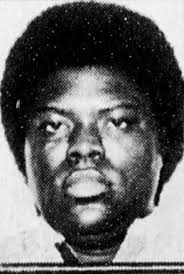
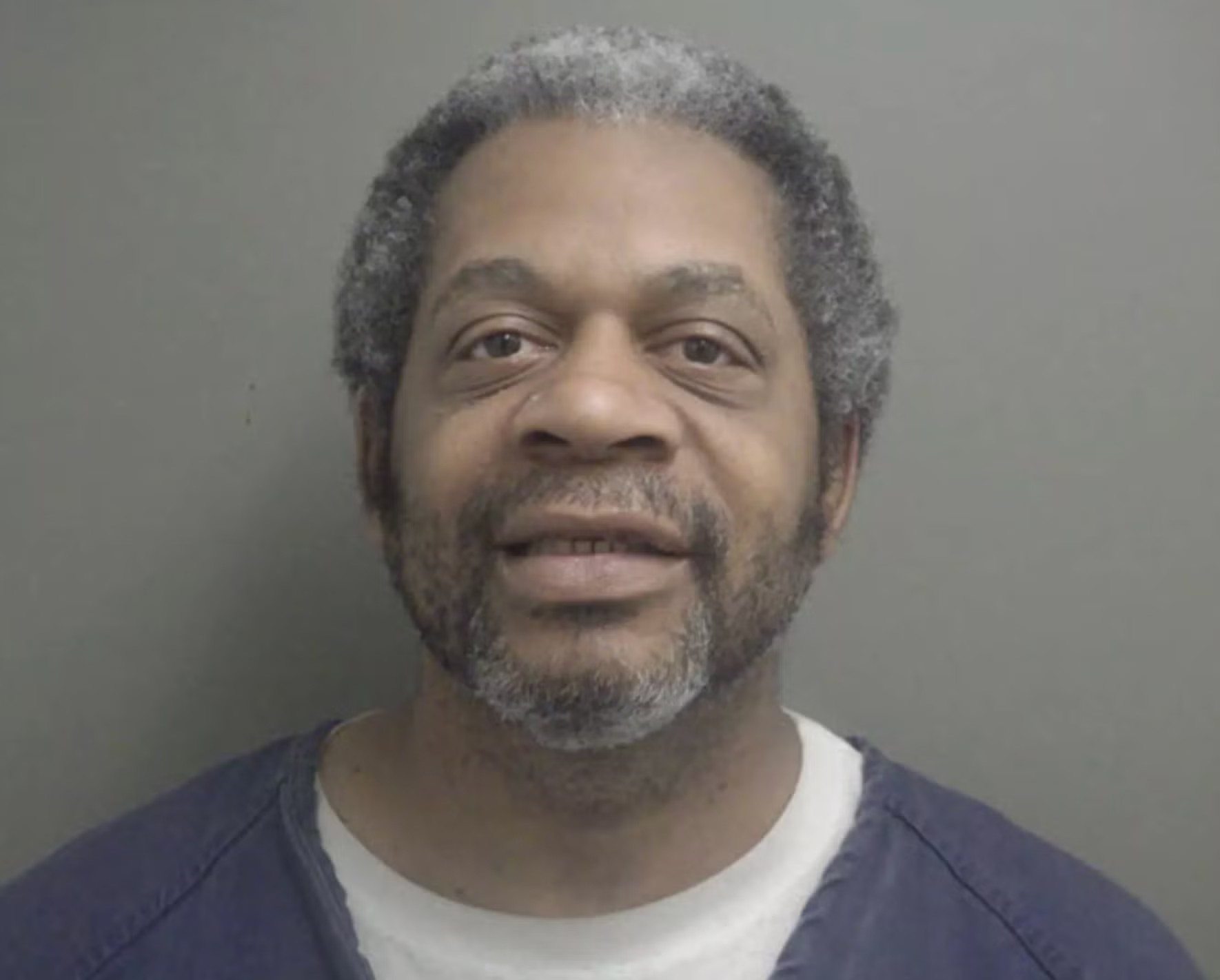
Between 1981 and 1983, Beoria Abraham Simmons II, a man who presented a respectable facade as a college-educated social services counselor, terrorized the community of Jefferson County, Kentucky. He abducted, raped, and murdered three females, ranging in age from a 15-year-old girl to a 39-year-old woman. Simmons, who was Black, targeted white females, abducting them at gunpoint before shooting them and dumping their bodies, often in or near Louisville's sprawling Iroquois Park. His violent spree was halted by the immense bravery of a 16-year-old girl who fought back during an abduction, escaped, and identified him to police. His capture not only ended the killings but also led to the exoneration of an innocent man who had been wrongfully convicted in connection with one of Simmons' earlier attacks. Initially sentenced to death, Simmons's penalty was later commuted to six consecutive life sentences without parole, ensuring he would remain imprisoned for the rest of his life.
Early Life and Background
Beoria Abraham Simmons II was born in Louisville, Kentucky, on May 17, 1954, the son of a retired Army sergeant. Publicly available information about his childhood and upbringing is scarce, offering few clues into the man he would become. By all outward appearances, Simmons was an upstanding citizen. He attended Spalding College in Louisville, earning a bachelor's degree in social work. This education led him to a position as a halfway house counselor, a job he began just six months before his arrest. Those who knew him professionally and personally were shocked by the later revelations of his secret life. A psychiatrist who evaluated him before his trial diagnosed him with mild depression but found no evidence of legal insanity.
The Murders
The series of murders began in the spring of 1981. On May 18, a fisherman discovered the body of 15-year-old Robin L. Barnes in a marshy area in southern Jefferson County. The teenager had been missing for three days. An autopsy revealed she had been raped, sodomized, and shot twice. Her left wrist was broken, suggesting a desperate struggle against her attacker. The brutality of the crime sent a wave of fear through the community.
Nearly a year later, on March 25, 1982, a roofer discovered the body of 29-year-old Shannon House in a wooded area near Iroquois Park. She had been shot once. Initially, police did not connect her murder to that of Robin Barnes. The victims were of different ages, killed in different locations, and with a different number of gunshot wounds. However, the discovery of a bullet casing at the scene would later prove to be a crucial link.
The final victim was found on March 12, 1983, when three boys discovered the body of 39-year-old Nancy Bettman in a creek adjacent to a golf course. She had been shot once in the back of the head and was partially nude. Ballistics tests soon confirmed that the same gun used to kill Nancy Bettman had also been used in the murders of Robin Barnes and Shannon House. Police now knew they were hunting a serial killer.
The Victims
- Robin L. Barnes, 15 — Found on May 18, 1981, in southern Jefferson County. A middle school cheerleader, Robin was remembered by her family as a young woman with her whole life ahead of her. Her cousin, Kaye Barnes, spoke of the family's enduring pain and the horrific violence inflicted upon Robin, stating, "She was raped, sodomized, and shot in the chest and once under the chin and out the temple."
- Shannon House, 29 — Found on March 25, 1982, near Iroquois Park in Louisville. Tragically, little information about Shannon's life has been made public in the decades since her death. Her case is a quiet testament to a life cut short, with the full story of who she was seemingly lost to the passage of time.
- Nancy Bettman, 39 — Found on March 12, 1983, in a creek in Louisville. Like Shannon House, public records and news archives offer scant details about Nancy's life, her work, or her family. Her memory is largely confined to the brutal circumstances of her death.
A Case of Wrongful Conviction
Before Simmons was identified, another man was wrongly ensnared by the justice system. On June 10, 1982, a woman named Phyllis Downes reported that a Black man had attempted to abduct her at gunpoint from a bus stop. Based on her description, police arrested Paul Davis Thomas. Despite his insistence of innocence, Downes identified him from a photo lineup. An all-white jury convicted Thomas, and he was sentenced to three years in prison. It was only after Simmons's arrest that the truth emerged. The prosecutor in Thomas's case, upon seeing Simmons's mugshot, recognized a chilling resemblance to the description of Downes's attacker. Downes was shown a new photo lineup and identified Simmons as the man who had accosted her. After passing three lie detector tests, Paul Thomas's conviction was overturned, and he was released from prison.
Investigation and Capture
For two years, the murders of the three women baffled investigators. The killings were initially treated as separate cases. After the discovery of Robin Barnes, police conducted dozens of interviews with her family and acquaintances and pursued various leads, but to no avail. When Shannon House was found, the different circumstances led police to believe it was an unrelated crime. It was only after ballistics confirmed a link between the second and third victims, Nancy Bettman, that a serial killer task force was formed. Psychologists created a profile suggesting the killer was likely a respected community member with a religious upbringing and an authoritarian father.
The breakthrough came from a place of unimaginable terror and courage. In the early hours of June 11, 1983, a 16-year-old girl named K.D. Heaton was waiting for a bus when Simmons abducted her at gunpoint. He drove her to Iroquois Park and, in a secluded area, ordered her out of the car. As he prepared to assault her, she fought back, stabbing him with a pocketknife she was carrying before running to a nearby convenience store to call the police.
Simultaneously, Simmons drove himself to a local hospital, claiming he had been stabbed by three hitchhikers who tried to rob him. Alerted by Heaton's report of a wounded assailant, police connected the two incidents. Heaton identified both Simmons and his car. Under questioning, and confronted with the .380 caliber pistol found in his vehicle that matched the ballistics from all three murders, Beoria Simmons confessed. He claimed the killings were accidental, occurring after arguments with the women, a claim prosecutors dismissed in light of the evidence and the attack on Heaton.
Trial and Sentence
Beoria Simmons's trial began 20 months after his arrest. He pleaded not guilty by reason of insanity. His defense attorneys argued that while he had committed the acts, he was not legally responsible due to his mental state. A psychologist testified that Simmons suffered from depression but was not insane. In his confession, Simmons had tried to portray the sexual encounters as consensual and the shootings as panicked reactions when the women demanded money. The prosecution, however, used the testimony of his surviving victim to paint a clear picture of his violent, predatory methods.
On May 13, 1985, the jury found Simmons guilty on three counts of murder, three counts of rape, four counts of kidnapping, one count of attempted murder, and one count of attempted rape. They recommended the death penalty for each of the murders and for three of the kidnappings.
Simmons spent the next 25 years on Kentucky's death row, pursuing numerous appeals. In 2009, a federal judge ruled that Simmons's defense could investigate whether prosecutors had systematically removed minority jurors from his 1985 trial. Faced with the possibility of a new trial where decades-old evidence and witness testimony could be problematic, prosecutors offered Simmons a deal.
In March 2010, Simmons agreed to waive all future appeals. In exchange, his death sentences were commuted to six consecutive life sentences without the possibility of parole. As part of the agreement, he was to be held in a single cell at the Kentucky State Penitentiary in Eddyville. During the hearing, Simmons offered an apology to the families of his victims. "I just want to say I'm sorry for all the grief and pain I've caused throughout the years," he said. "If I could undo it, I'd undo it."
Aftermath and Legacy
The crimes of Beoria Simmons left a lasting scar on the Louisville community and on the families of his victims. The case highlighted the terror a serial predator can inflict while hiding in plain sight. It also served as a stark reminder of the fallibility of the justice system, as demonstrated by the wrongful conviction of Paul Thomas. For the family of Robin Barnes, the commutation of Simmons's sentence from death to life in prison was a difficult outcome. Her cousin, Kaye Barnes, expressed her belief that it was not true justice for Robin but acknowledged the prosecutors' difficult position in ensuring Simmons would never be free. Beoria Simmons remains incarcerated at the Kentucky State Penitentiary, where he will spend the remainder of his life.