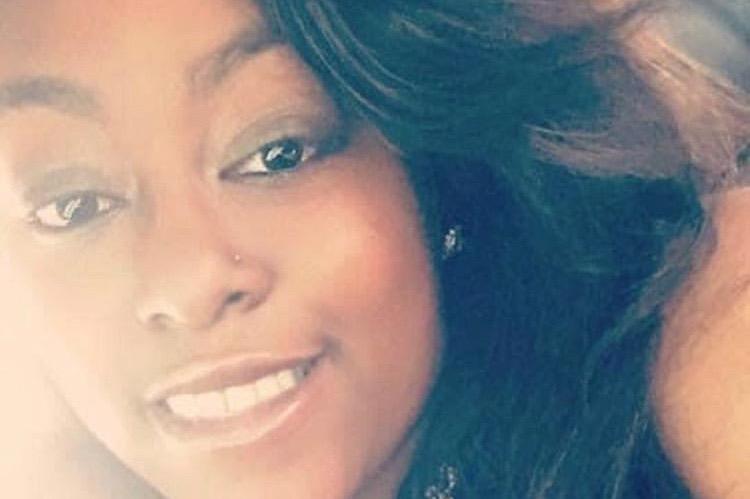
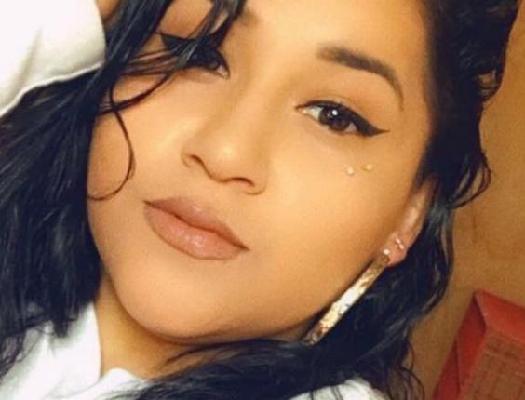
In the early 1980s, a shadow of fear fell over Louisville, Kentucky, as a serial predator stalked the streets of Jefferson County. For more than two years, women lived with a sense of unease as a man abducted, assaulted, and murdered his victims, leaving a community on edge. The final known victim in this string of brutal crimes was Nancy Bettman, a 39-year-old woman whose life was tragically cut short in the final months of the killer’s reign of terror.
Much like the other women he targeted, public records and news archives offer few details about Nancy's personal life, her career, or the family who mourned her. Her memory is now inextricably linked to the violent end she met.
On March 11, 1983, Nancy was abducted at gunpoint by a man later identified as Beoria Abraham Simmons II. She was taken to a secluded area, where she was raped and then shot to death. The following day, March 12, her body was discovered in a creek in Louisville. Some reports place the location near a golf course, while others state she was found in Iroquois Park, a sprawling urban forest that had become a dumping ground for the killer. Her death marked the third confirmed homicide in a series of attacks that began two years earlier.
The investigation into these murders had been a frustrating one for law enforcement. The first victim was 15-year-old Robin L. Barnes, found on May 18, 1981. Ten months later, on March 25, 1982, the body of 29-year-old Shannon House was discovered in a wooded area of Iroquois Park. The victims varied in age, and initially, police did not connect the cases. However, with Nancy Bettman's murder, a terrifying pattern became undeniable. All three women had been sexually assaulted and killed by gunfire.
The breakthrough in the case came three months after Nancy’s death, not from a clue left at a crime scene, but from the courage of a 16-year-old girl. On June 11, 1983, Simmons abducted the teenager at gunpoint and took her to Iroquois Park with the intent to rape and murder her. When he ordered her out of the car, she fought back, stabbing him with a pocketknife and escaping to a nearby convenience store where she called the police. At the same time, Simmons sought treatment for a knife wound at a local hospital, claiming he was the victim of a robbery. Police, alerted by the brave young woman’s report, quickly connected the events and arrested him.
During interrogation, Simmons provided a tape-recorded confession. He admitted to killing three women by shooting them, though he falsely claimed the sexual encounters were consensual and the murders resulted from arguments over money. The most crucial piece of evidence was the.380 caliber pistol found in his car. Ballistics tests confirmed it was the weapon used to murder Nancy Bettman, Shannon House, and Robin Barnes, definitively linking him to all three killings.
Beoria Abraham Simmons II, a man who had graduated with a degree in social work and was employed as a halfway house counselor, was revealed to be the serial killer who had terrorized the city. He was convicted on three counts of murder, three counts of rape, four counts of kidnapping, as well as attempted murder and attempted rape. Initially sentenced to death in 1985, his sentence was the subject of years of appeals. In 2010, after a federal judge raised concerns about racial bias in his jury selection, Simmons accepted a plea deal. His death sentences were commuted, and he was resentenced to six consecutive life sentences without the possibility of parole, ensuring he would never again be free. For the families of his victims, the resolution brought a measure of justice, closing a dark chapter in Louisville's history.