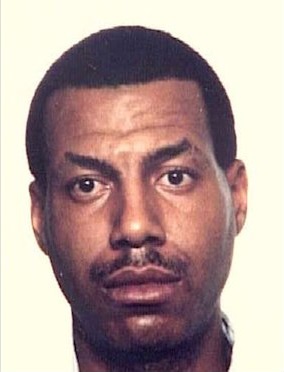
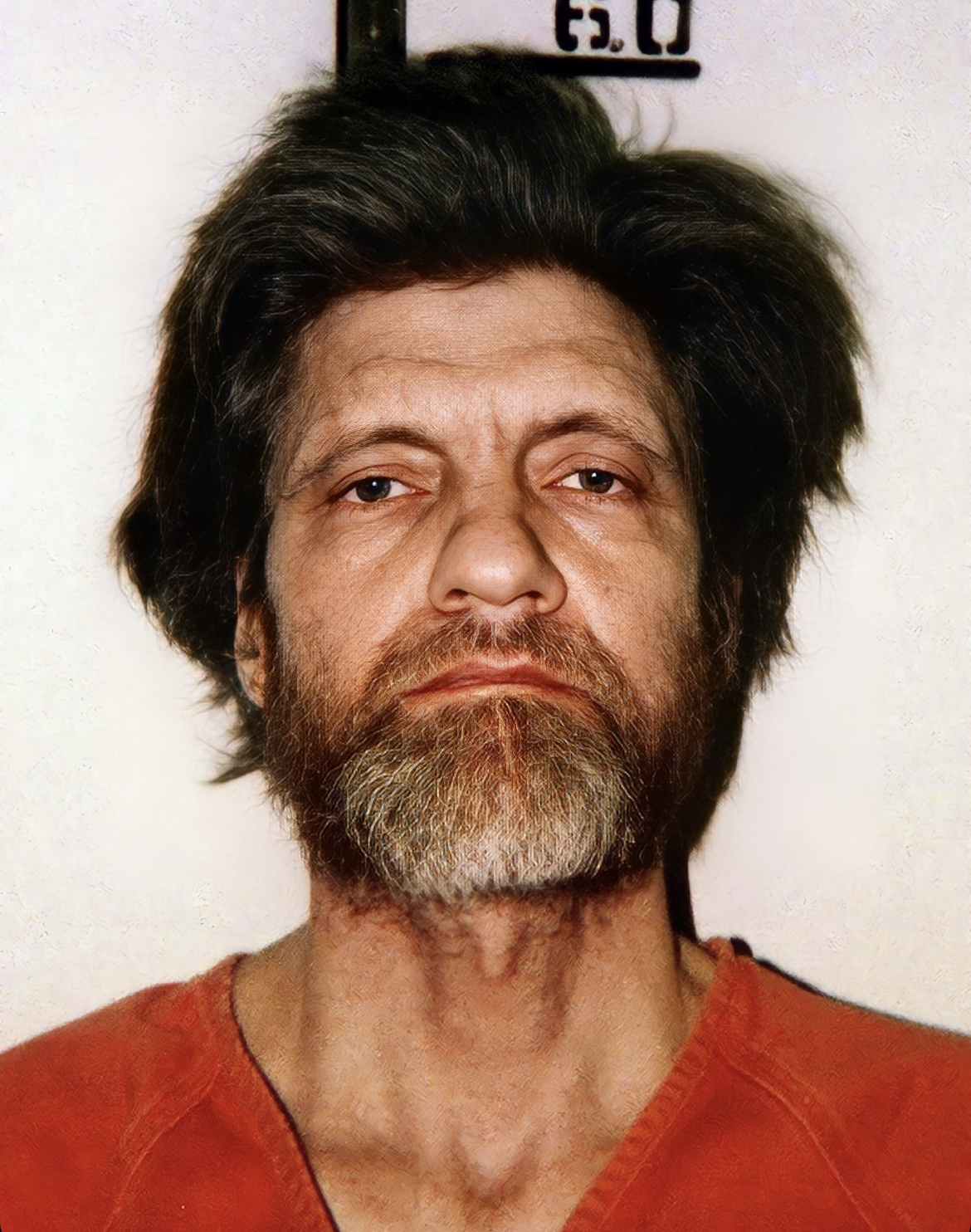
Robin Gecht and the Chicago Ripper Crew
Robin Gecht is commonly described in true-crime accounts as the leader of the group known as the Chicago Ripper Crew, a group linked to a series of exceptionally violent crimes in Illinois during 1981 and 1982. The other principal members were Edward Spreitzer and brothers Andrew and Thomas Kokoraleis. Although Gecht has frequently been labeled a serial killer, an important legal distinction is that he was never convicted of murder. Other members of the crew were convicted of homicides, while Gecht was convicted of attempted murder, aggravated kidnapping, rape, and the offense then known under Illinois law as deviate sexual assault. Statements made by Spreitzer and the Kokoraleis brothers repeatedly implicated Gecht in killings, but some of those statements changed over time or were later recanted. Therefore, allegations concerning Gecht's participation in specific murders should be distinguished from crimes for which he was personally convicted.
The Pattern of Crimes
The crimes associated with the Ripper Crew followed a disturbing pattern. Women were approached or abducted, frequently using a van belonging to Gecht. Several victims were restrained with handcuffs, wire, cords, ligatures, or other materials. Sexual assault, stabbing, strangulation, blunt-force injuries, and mutilation of the breasts appeared repeatedly in the evidence from different cases. Prosecutors used these similarities to demonstrate a common method among several attacks. The crimes were committed in Chicago as well as surrounding communities and suburbs, with bodies abandoned in fields, wooded areas, cemeteries, alleys, and near the Chicago River.
Much of what investigators learned about the broader series came from statements given by Spreitzer and the Kokoraleis brothers after their arrests. Those accounts often placed Gecht in a directing or participating role. However, the accounts were not completely consistent. Spreitzer, for example, gave different versions of some crimes and sometimes changed which accomplice he said was present. Andrew Kokoraleis later claimed that investigators had pressured him and supplied information used in his confessions. Courts nevertheless found substantial evidence sufficient to convict the other men in several murders. Gecht continued to deny that he had killed anyone.
Fatal Victims Documented in the Court Records
- Linda Sutton — May 23, 1981 / June 1, 1981 — Chicago and Villa Park, Illinois: Sutton disappeared on the evening of May 23 after being seen in Chicago. Her body was discovered on June 1 in a field near the Brer Rabbit Motel in an unincorporated area near Villa Park. The precise time of her death was not established in the appellate record, so May 23 should be treated as her disappearance and probable killing date rather than a medically determined time of death. An autopsy determined that she died from stab wounds and associated blood loss. Her hands had been cuffed behind her, and extensive tissue was missing from her chest. Later medical review found that the condition of the wounds was consistent with deliberate breast amputation. Spreitzer was ultimately convicted of Sutton's murder, and statements from more than one crew member implicated Gecht in her abduction and assault.
- Lorraine "Lori" Borowski — May 15, 1982 — Elmhurst and Darien, Illinois: The 21-year-old Borowski disappeared while walking to the real-estate office in Elmhurst where she worked as a secretary. Her employer arrived to find the office unopened and some of her belongings, including shoes and keys, outside. Her remains were discovered on October 10, 1982, in an unused portion of a cemetery in Darien. Because her remains were badly decomposed, an exact forensic time of death could not be established. Confession evidence presented at trial described her as being abducted on May 15, driven to a cemetery, beaten, stabbed, and left there after she died. Andrew Kokoraleis was convicted of Borowski's murder and aggravated kidnapping.
- Shui Mak — late May 29 to early May 30, 1982 — Barrington Road and northwestern Cook County, Illinois: Mak, age 30, disappeared during the early morning after leaving the automobile in which she had been traveling with her brother. Court records describe slightly different date conventions, with one account referring to May 29 and family testimony placing the relevant events at approximately 1 a.m. on May 30. Her skeletal remains were discovered September 30, 1982, in a wooded area near a new housing development in northwestern Cook County. Medical examination found serious fractures of the skull and ribs and determined that blunt trauma to the head and rib injuries caused her death. Statements given by members of the crew described Mak being offered a ride, taken to an isolated area, beaten, and attacked.
- Sandra Delaware — August 27, 1982 — Chicago River at the Fullerton Avenue Bridge, Chicago: Delaware's body was found beneath the Fullerton Avenue Bridge at the Chicago River on August 27. Her wrists and ankles had been bound with shoelaces, and a ligature was around her neck. The autopsy determined that she died from ligature strangulation together with an abdominal stab wound that penetrated her liver. Spreitzer gave investigators an account placing himself and Gecht together during an attack on a woman that day. Spreitzer later pleaded guilty to Delaware's murder.
- Rose Beck Davis — September 8, 1982 — Lake Shore Drive area, Chicago: Davis's body was discovered September 8 between two buildings near Lake Shore Drive. A stocking had been tied around her neck, she had suffered severe blunt-force injuries to her head, and her chest had been slashed. The medical examiner determined that strangulation caused her death. Evidence also showed additional sexual and physical injuries. Spreitzer gave a statement describing an abduction involving himself, Andrew Kokoraleis, and Gecht, although details contained in statements from different defendants varied. The Davis murder became one of the homicides for which members of the crew were convicted.
- Rafael Tirado — October 6, 1982 — Damen and Lemoyne, Chicago: Tirado and Alberto Rosario were standing near the corner of Damen Avenue and Lemoyne Street when they were struck by gunfire. Rosario survived, but Tirado suffered gunshot wounds to the head and neck and died from his injuries. One of Spreitzer's statements alleged that he was driving with Gecht when Gecht fired a pistol and rifle, although Spreitzer later supplied a different version naming another crew member as the shooter. Spreitzer nevertheless pleaded guilty to Tirado's murder.
Surviving Victims and the Break in the Case
The most important surviving victim in the case was Beverly Washington. The appellate record from Gecht's own case places the beginning of her attack at approximately 1 or 2 a.m. on October 5, 1982. Washington entered Gecht's red Dodge van after approaching him for a paid sexual encounter. Once she was inside, Gecht threatened her with a gun and knife, restrained her wrists and ankles, sexually assaulted her, and forced her to consume pills and a drink. She eventually lost consciousness. A few hours later she was found naked and gravely injured in a Chicago alley. Her left breast had been removed and her right breast had been badly cut. Despite severe blood loss and shock, she survived.
Washington was able to describe both her attacker and the distinctive red Dodge van. From the hospital, she identified Gecht in photographs and later in a police lineup. That identification became a central part of the case against him. Another surviving woman, identified in court records by the initials H.C., testified that Gecht had attacked her in a similar manner on June 12, 1982. She said she had been picked up in his red van, restrained, threatened with a knife and gun, sexually assaulted, and deliberately cut in the breast. She survived and also identified Gecht. Prosecutors presented her testimony to demonstrate the strikingly similar method used in the Washington assault.
Alberto Rosario was another survivor. He was shot alongside Rafael Tirado on October 6, 1982, near Damen and Lemoyne in Chicago. Rosario was taken to a hospital and survived, while Tirado died. The shooting stood apart from the sexual attacks on women but became part of the larger criminal case surrounding Spreitzer and the crew.
Gecht's Conviction
Gecht was prosecuted principally for the attack on Beverly Washington rather than for the murders attributed to the Ripper Crew. A jury convicted him of attempted murder, aggravated kidnapping, rape, and deviate sexual assault. The evidence included Washington's repeated identification of him, H.C.'s testimony describing a highly similar attack, evidence concerning his red van, and incriminating statements Gecht made while being questioned. His sentences included 30 years for aggravated kidnapping, 60 years for rape, 60 years for deviate sexual assault, and a consecutive 60-year term for attempted murder. Because some terms ran concurrently and the attempted-murder sentence ran consecutively, his total sentence amounted to 120 years.
Why the Murder Allegations Require Careful Wording
The Ripper Crew case is unusual because Gecht became the figure most strongly associated with the group while never receiving a murder conviction. Spreitzer and the Kokoraleis brothers gave detailed statements accusing him of participating in or directing brutal attacks, including the killings of Sutton, Mak, Delaware, Davis, and other victims. Some statements described him personally stabbing, beating, sexually assaulting, or mutilating women. At the same time, the statements contained contradictions, and defendants later challenged or recanted portions of their confessions. Gecht himself maintained that he had not committed murder. For that reason, it is more accurate to describe him as the alleged leader of a serial-killing group and a convicted violent sexual offender and attempted murderer rather than to state that a court proved he personally murdered every victim attributed to the Ripper Crew.
Imprisonment
Gecht has remained incarcerated for decades. An Illinois Department of Corrections status record dated August 14, 2026, lists him as being in custody at Graham Correctional Center. His recorded date of birth is November 30, 1953, and his projected parole date is October 10, 2042, followed by a projected discharge date in 2045. The extraordinary length of his sentence reflects the severity of the Washington attack and the combination of attempted murder, kidnapping, and sexual-assault convictions for which he was actually tried.
Legacy of the Case
The crimes associated with Robin Gecht and the Chicago Ripper Crew remain among the most notorious criminal cases in Illinois history because of the repeated targeting of vulnerable victims, the extreme mutilation found in several cases, and the disturbing consistency between otherwise separate attacks. The surviving victims were particularly important to the investigation. Beverly Washington's ability to survive catastrophic injuries, describe the red van, and identify Gecht gave investigators evidence that could be connected to earlier cases. The later statements of Spreitzer and the Kokoraleis brothers then allowed police and prosecutors to connect several previously separate disappearances and murders. While the sensational reputation of the case has produced many exaggerated or conflicting retellings, the court record establishes a grim core of documented kidnappings, sexual assaults, mutilations, murders, and attempted murders committed across the Chicago area during 1981 and 1982.