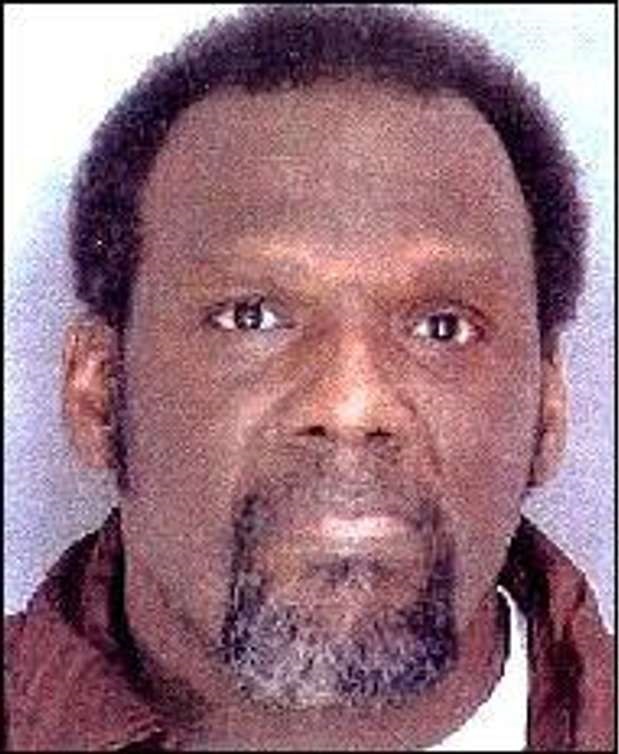
Brandon Tholmer: The Murders of Elderly Women in Los Angeles
Background and Early Sexual Violence
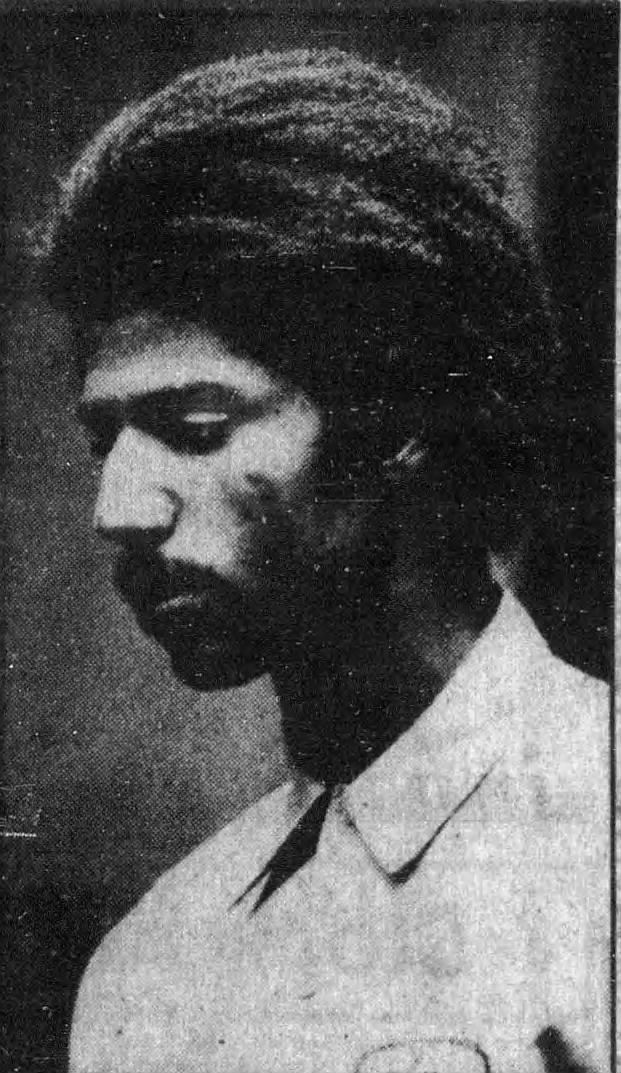
Brandon Tholmer was an American serial killer, rapist and burglar whose crimes terrorized elderly women living alone in Los Angeles during the early 1980s. Although investigators examined him in connection with dozens of similar deaths, he was ultimately convicted of murdering four women. Police believed he was responsible for additional killings for which prosecutors lacked sufficient evidence to obtain convictions.
Tholmer was born in New Orleans, Louisiana, and moved to Los Angeles as a young man. By the mid-1970s, he had already demonstrated a pattern of targeting elderly women. In 1975, he entered the residence of an approximately 80-year-old woman, raped and robbed her, and attempted to strangle her. He was convicted in connection with the assault and classified as a mentally disordered sex offender. He was committed to Patton State Hospital for treatment before being released in 1979.
After his release, Tholmer returned to the Los Angeles area. He worked at various jobs, including employment as a shipping clerk, and attempted to establish himself as a musician. Beneath this outwardly ordinary existence, however, prosecutors said he was prowling neighborhoods inhabited by elderly women, entering their homes and subjecting them to sexual assault and extreme violence.
A Pattern of Murders
Between 1981 and 1983, Los Angeles investigators confronted a disturbing series of attacks on older women. Many of the victims lived alone in houses or apartments in Hollywood, East Hollywood, Silver Lake and surrounding communities. They were beaten, strangled or stabbed, and several were sexually assaulted. In some cases, fires were deliberately started inside the victims' homes, apparently in an effort to destroy evidence and disguise the murders as accidental deaths.
The similarities among the crimes produced fears that one offender was hunting vulnerable women throughout the area. Tholmer became associated with the name “West Side Rapist,” although that description has also been connected to other offenders who attacked women in Los Angeles. At various stages of the investigation, authorities considered him a possible suspect in as many as 34 deaths. Police later eliminated him as a suspect in 22 of those cases, but investigators continued to believe that he had committed approximately a dozen murders.
Victims Charged or Proven in Court
- Rose Lederman, 80 — August 1981, Silver Lake, Los Angeles: Lederman lived alone in her Silver Lake home. Her body was discovered in August 1981, with contemporary accounts placing the discovery during the middle of the month. She had been strangled. Her residence was located within walking distance of a rehabilitation center Tholmer attended after his release from Patton State Hospital. Tholmer was later convicted of her murder.
- Woolloomooloo Woodcock, 66 — August 1982, Los Angeles: Woodcock was attacked inside her residence and was beaten and strangled. Evidence presented at trial established that she had also been raped. Tholmer was convicted of first-degree murder, and jurors upheld a special-circumstance allegation connected to the sexual assault.
- Mary Pauquette, 72 — September 12, 1983, Hollywood area of Los Angeles: Firefighters discovered Pauquette's body after responding to a fire at her home on September 12, 1983. She had been beaten, stabbed and strangled before the residence was set on fire. Prosecutors also established that she had been raped and sodomized. The deliberate fire reflected the escalation investigators observed near the end of the murder series. Tholmer was convicted of killing her.
- Dorothy Fain, approximately 70 to 72 — August 1983, Los Angeles: Fain was stabbed to death inside her home. Prosecutors presented evidence that she had been sodomized during the attack. Tholmer was convicted of her murder, and the jury found the related special-circumstance allegation to be true.
- Loraine Wells, 76 — May 1983, Los Angeles: Wells was among the five women named when Tholmer was originally ordered to stand trial. Her killing shared characteristics with the murders of elderly women living alone. However, the case involving Wells was not among the four murders for which Tholmer was ultimately convicted.
Escalation and the Use of Fire
The attacks attributed to Tholmer were characterized by domination, sexual violence and severe physical injury. His victims were selected because they were older, isolated and often physically incapable of resisting a younger intruder. Prosecutors argued that his conduct reflected a sustained sexual fixation on elderly women, a pattern already visible in the assault that resulted in his earlier institutionalization.
As the series continued, the offender began setting fires in victims' homes. Prosecutor Lance Ito told the court that Tholmer used arson toward the end of his crime spree and that at least one victim was deliberately set on fire. The fires complicated the investigations by damaging rooms, destroying physical evidence and initially raising the possibility that the deaths had resulted from accidents.
Surveillance and Arrest
By the autumn of 1983, detectives had begun focusing closely on Tholmer. Police placed him under surveillance after evidence and circumstances connected him to recent attacks. On November 7, 1983, officers arrested him after he was allegedly discovered prowling outside the home of Irene Rogers, an 85-year-old woman who was paralyzed. Authorities believed he was preparing to enter her residence and attack her.
The arrest may have prevented another assault. Investigators noted that the distinctive series of murders and sexual attacks on elderly women subsided after Tholmer was taken into custody. Police searched his residence and examined property believed to have been removed from victims' homes. The investigation connected him to multiple crime scenes through physical evidence, including fingerprints.
Tholmer initially faced charges involving the murders of five women, as well as attempted burglary and sexual offenses. Detectives investigated possible links to many additional deaths, but prosecutor Lance Ito acknowledged that suspicion alone was not sufficient to support murder charges. The prosecution therefore concentrated on the cases in which fingerprints, property, forensic findings and other evidence could be presented to a jury.
The 1986 Trial
Tholmer's trial began in 1986 and continued for approximately six months. The prosecution called more than 100 witnesses and introduced evidence connecting him to the victims and their homes. Witnesses described his persistent interest in elderly women, including attempts to approach older women in supermarkets where his girlfriend worked. Other testimony concerned his unexplained nighttime activities and his inability to provide convincing alibis for the periods in which the murders occurred.
The physical evidence was particularly damaging. Tholmer's fingerprints were associated with crime scenes, while evidence recovered during the investigation linked him to property taken from elderly women. Prosecutors portrayed the killings not as unrelated acts but as part of an identifiable pattern involving forced entry, sexual assault, beating, stabbing, strangulation and efforts to conceal evidence.
On July 25, 1986, the jury convicted Tholmer of four counts of first-degree murder for the deaths of Rose Lederman, Woolloomooloo Woodcock, Mary Pauquette and Dorothy Fain. The jury also found special circumstances involving rape and sodomy. Because of those findings, Tholmer was eligible for the death penalty.
Penalty and Sentencing
During the penalty phase, prosecutors argued that the cruelty of the murders and Tholmer's prior attack on an elderly woman justified a death sentence. The defense presented evidence concerning his troubled development, mental and emotional problems, institutional history and experiences of abuse. Jurors ultimately recommended that his life be spared.
On November 21, 1986, Tholmer received four consecutive life sentences without the possibility of parole. The consecutive terms ensured that he would remain imprisoned permanently, even if one of the convictions were later overturned. He was admitted to the California prison system in December 1986 and was eventually housed at the California Medical Facility.
Suspected Additional Murders
The four convictions represented only part of the violence investigators believed Tholmer had committed. Police once examined him as a suspect in as many as 34 murders of elderly women. After eliminating him from 22 cases, investigators still believed evidence or circumstances connected him to seven additional killings beyond those prosecuted. Those cases did not result in charges because prosecutors concluded that the available evidence was insufficient to prove his guilt beyond a reasonable doubt.
Claims that Tholmer was legally responsible for 12 or more murders should therefore be treated carefully. He was convicted of four murders, charged at one stage with five, and suspected by investigators of committing additional killings. The higher victim estimates reflect law-enforcement suspicion and similarities among crimes rather than separate murder convictions.
Legacy of the Case
Brandon Tholmer's crimes exposed the extreme vulnerability of elderly people who lived alone in densely populated neighborhoods. He selected victims whose age, isolation or medical condition reduced their ability to resist or summon assistance. Their homes, which should have provided security, became the locations in which they were sexually assaulted and killed.
The case also demonstrated the difficulty of investigating serial crimes when offenders use fire to destroy evidence and when numerous homicides share only general similarities. Detectives had to distinguish the murders Tholmer committed from unrelated killings and from crimes possibly committed by other predators operating in Los Angeles. Although the full number of his victims remains unresolved, the four murder convictions established him as a serial killer and brought permanent imprisonment for a campaign of violence directed at elderly women.