Unknown: The Missouri River Killer
Overview
Between 1982 and 1994, a shadow lingered over the Kansas City metropolitan area as the bodies of at least seven young women and girls were discovered in or near the murky waters of the Missouri River. The unknown serial killer, dubbed the "Missouri River Killer" and sometimes the "Avenue Mutilator," instilled fear in the community with a series of brutal and distinctive crimes. The victims, ranging in age from 13 to 36, were often stabbed or strangled, and in four cases, their bodies were gruesomely dismembered, with their legs amputated. Many of the victims were sex workers who frequented Independence Avenue, a detail that became a focal point of the investigation. Despite a years-long investigation and a primary suspect who was charged but never convicted, the identity of the Missouri River Killer remains one of the region's most haunting mysteries.
The Murders Begin
The series of killings attributed to the Missouri River Killer began to be pieced together by law enforcement in the late 1980s, but investigators later linked a 1982 homicide to the pattern. On May 31, 1982, the body of 27-year-old Annette K. Parker was found floating in the Missouri River near the Chouteau Bridge by two fishermen. Parker, who was originally from Omaha, Nebraska, had been missing for over a week. An autopsy revealed she had been stabbed 13 times in the chest and a rope was tied tightly around her neck.
Four years later, on August 6, 1986, the body of 24-year-old Melody Jo Milliner was discovered in the river in Lafayette County. A resident of Kansas City and a mother to a two-year-old daughter, Milliner worked as a prostitute, often on Independence Avenue. Her father later told reporters that she had been assisting police with an investigation prior to her death. The killer had amputated her legs at the hips, and the cause of death was determined to be multiple stab wounds. This shocking mutilation would become a signature of the killer.
A Spate of Killings in 1988
The year 1988 marked a terrifying escalation in the killer's activities, with three victims discovered in a matter of days. On May 7, the badly decomposed body of 17-year-old Linda Dennis was found on the north side of the river. A Kansas City native, Dennis had been arrested for prostitution in the past, though the charge was later dropped. Due to the state of her remains, a definitive cause of death could not be determined, but foul play was suspected as her body was found entangled in driftwood.
Just three days later, on May 10, a fisherman in Ray County made a grim discovery: the body of 19-year-old Kimberly Rash. She had been missing for over a month. Like Milliner, Rash's body was found without her legs, and an autopsy showed she had been stabbed more than 31 times in the chest and hands. That same day, the body of 16-year-old Rhonda Dennis (no relation to Linda Dennis) was also found floating in the river. She had been stabbed 31 times and her clothes had been removed. While not a known prostitute, Rhonda lived on Independence Avenue, a common thread linking her to some of the other victims.
The Final Victims
The killer seemed to go dormant for a few years before striking again. On April 15, 1991, the body of 13-year-old Beverlie Tracy was found in the river near Napoleon, eleven days after she was reported missing. Her legs had also been cut off, but her cause of death was different from the previous victims; she had been shot in the chest. On the day she disappeared, Tracy had an argument with her mother and left a friend's house to walk the 16 miles to her home in Grain Valley.
The last confirmed victim of the Missouri River Killer was discovered on September 13, 1994. The torso of 36-year-old Viola McCoy was recovered from the river, a day after a severed leg was found. McCoy, who had a history of drug abuse, was last seen on September 8 after an argument with her boyfriend. The amputation of her legs solidified the link to the other murders in the minds of investigators.
The Victims
The seven women and girls who lost their lives to this unidentified killer came from different walks of life, their futures cut short by a brutal predator.
- Annette K. Parker, 27 — Found on May 31, 1982, she was from Omaha, Nebraska, and had been missing for more than a week before her body was discovered in the Missouri River.
- Melody Jo Milliner, 24 — A young mother of a two-year-old daughter, her body was found on August 6, 1986. She was known to frequent Independence Avenue and had reportedly been helping police with an investigation.
- Linda Dennis, 17 — A native of Kansas City, her body was discovered on May 7, 1988. Due to the condition of her remains, her cause of death was never officially determined, but foul play was suspected.
- Kimberly Rash, 19 — Found on May 10, 1988, she had been missing for over a month. Her daughter later recalled that her mother had wanted to make her life better and take care of her children.
- Rhonda Dennis, 16 — Her body was also found on May 10, 1988. She lived on Independence Avenue, a location that connected her to the area where other victims were last seen.
- Beverlie Tracy, 13 — The youngest known victim, her body was recovered on April 15, 1991. She was last seen walking home after an argument with her mother.
- Viola McCoy, 36 — The final victim, her remains were found on September 13, 1994. She was last seen alive after an argument with her boyfriend.
Investigation and a Prime Suspect
The investigation into the Missouri River killings was a complex, multi-jurisdictional effort. The FBI briefly joined a task force with local law enforcement in 1988 after the discovery of the three victims in May, but the unit was disbanded within a month due to a lack of progress. Over the years, several leads were pursued, including a Kansas City physician in 1992 who was ultimately cleared of any involvement.
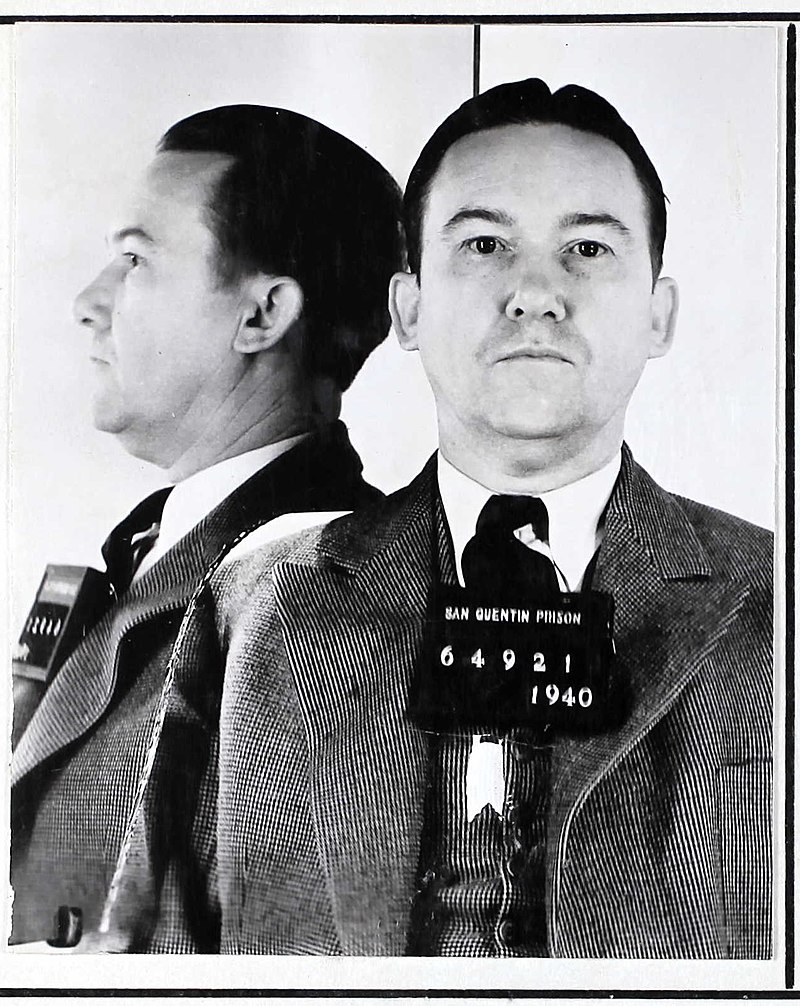
The investigation eventually focused on one man: Gregory Breeden, a supply clerk for the Kansas City Public Works Department and a U.S. Navy veteran. Breeden had been a person of interest as early as 1982 in connection with the murder of Annette Parker, whom he claimed was his fiancée. He was released without charge at that time.
In the mid-1990s, Breeden once again became the primary suspect. On November 2, 1994, police raided his home while he was sleeping and arrested him on unrelated check forgery charges. During the search, they collected 19 knives and clothing that resembled what Melody Milliner was wearing when she disappeared.
In 1996, while serving a 10-year sentence for the check fraud, Breeden was indicted for the first-degree murder of Viola McCoy. The case against him was reportedly based on the testimony of a jailhouse informant who claimed Breeden had confessed. However, on April 1, 1999, the murder charge was dropped when the informant refused to cooperate with prosecutors.
Breeden consistently and vehemently denied any involvement in the murders. In interviews, he stated, "Everybody thinks I'm the worst monster in the world because of all this and I've done absolutely nothing wrong." After his release from prison, he wrote a manuscript proclaiming his innocence.
Aftermath and Legacy
Gregory Breeden, the only person ever charged in connection with the Missouri River killings, died of natural causes in a motel room in Butler, Missouri, in May 2014. He was 67 years old. With his death, the hope of a confession or a trial that might bring answers to the victims' families was lost.
The cases of the seven women and girls murdered by the Missouri River Killer remain officially unsolved. The Kansas City Police Department has stated that the cases are still open, and they continue to seek any information that might lead to a resolution. The brutal slayings left a lasting scar on the Kansas City area, a chilling reminder of a predator who used the mighty river as his personal dumping ground and who, to this day, has never been brought to justice. The families of the victims are left with unanswered questions and the enduring pain of their loss.