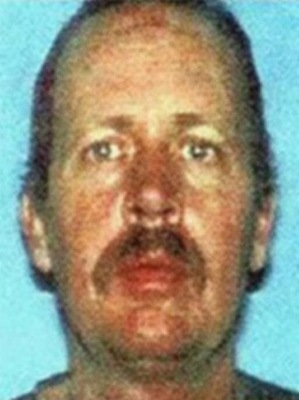
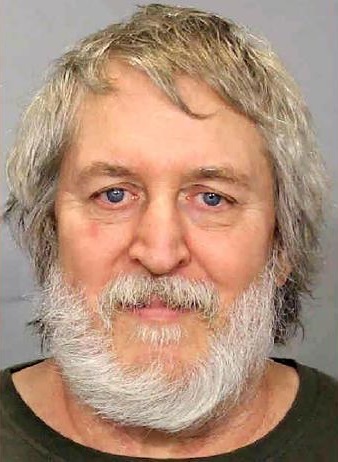
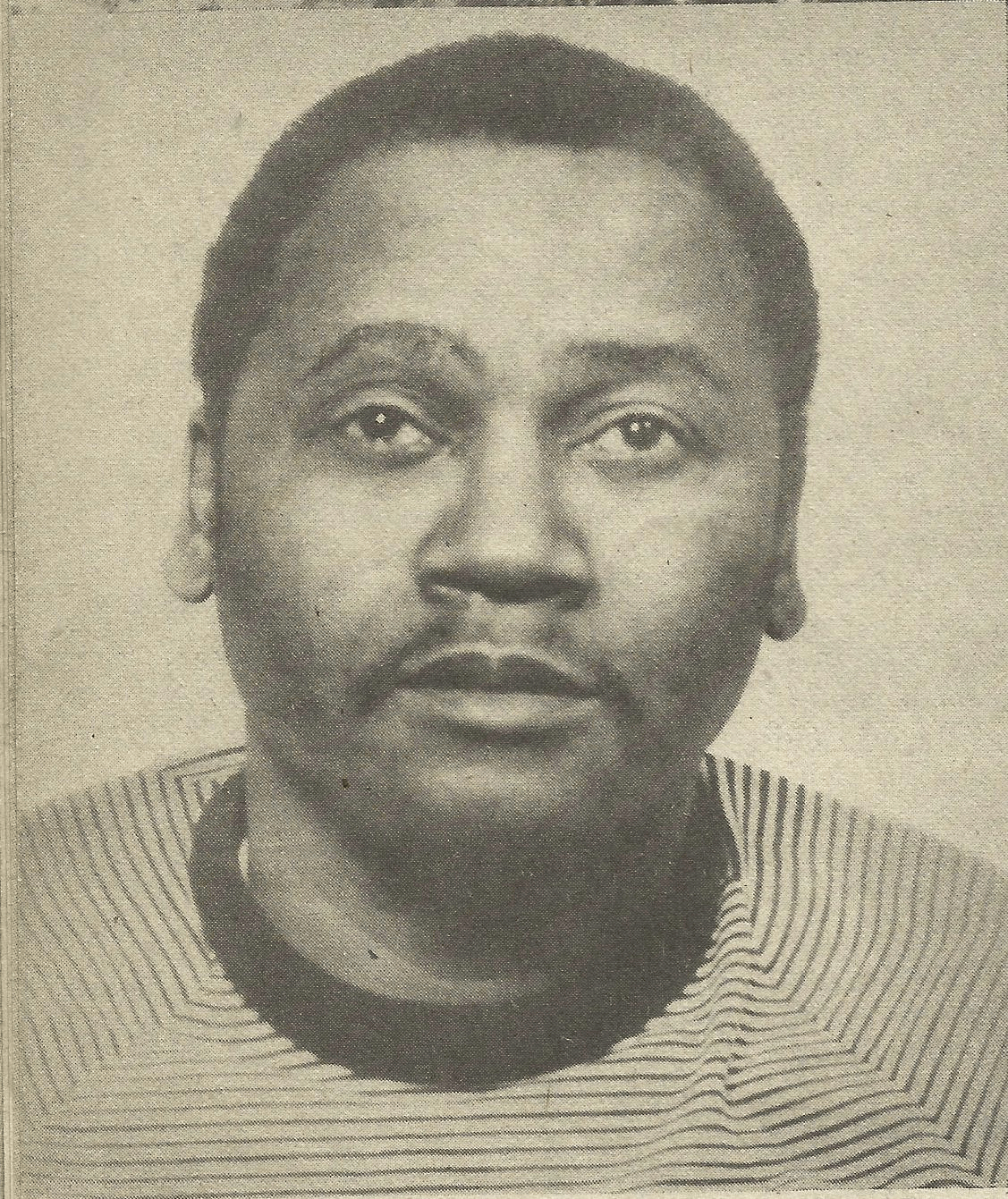
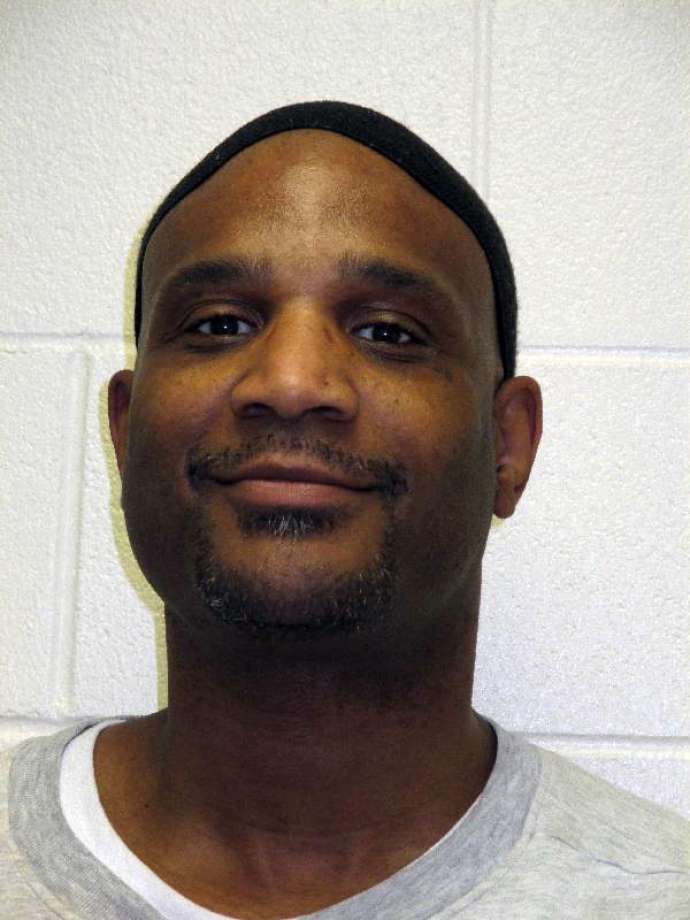
Curtis Dean Anderson: Northern California Serial Killer and Child Abductor
Curtis Dean Anderson was an American convicted murderer, kidnapper, and sexual predator whose crimes were centered largely in Northern California but whose own later confessions extended his alleged killing history into Arizona and Mexico. Anderson became publicly notorious after the abduction of a young Vallejo girl in 2000 ended with the child escaping from his vehicle. That escape led to Anderson's arrest and eventually helped investigators connect him to the disappearance and murder of 7-year-old Xiana Fairchild.
Years later, while already serving what amounted to a life sentence, Anderson told FBI agents that Xiana had not been his only murder victim. In November 2007, he confessed to killing eight people in the United States, including Xiana Fairchild and missing 7-year-old Amber Swartz-Garcia. He also claimed to have murdered two additional people in Mexico. Most of the victims he described have never been identified, and investigators continued seeking information about them after Anderson's death.
A Long History of Predatory Crime
Anderson had an extensive criminal history before investigators knew him as a murderer. His record included offenses involving kidnapping, sexual misconduct, weapons, drugs, theft, and threatening behavior. His pattern showed a particular danger toward children and young females.
Despite repeated encounters with the criminal justice system, Anderson continued offending. By the late 1990s he was moving between Northern California communities, including Vallejo and San Jose. He had worked as a taxi driver and was familiar with roads throughout the Bay Area. According to the confession he eventually provided to federal investigators, however, his killing had begun much earlier, possibly as far back as 1984.
The Alleged Murders of the 1980s
During interviews with the FBI in November 2007, Anderson described a series of previously unknown victims. His account placed his first claimed killings in Northern California in late 1984. He described one victim as a runaway in her late teens or early twenties whom he encountered in the Marysville area. Anderson claimed that after killing her, he disposed of her body near a local swimming hole.
Only days later, according to Anderson, he encountered another young woman near Clearlake. He described her as a teenage hitchhiker. He claimed that he killed her as well. Neither woman has been conclusively identified, and because no identified remains have been connected to his account, exact dates of death remain unknown.
Anderson claimed another killing occurred in early 1985. He described the victim as a female in her late teens who was living around Marysville and may have been a runaway from Oregon. Again, investigators were left with a description rather than a name, and the exact date of the alleged murder could not be established.
His fourth claimed unidentified victim was a woman approximately 21 years old whom Anderson described as a light-skinned Black woman. Anderson said he met her at a bar on or near San Pablo Avenue in the East Bay in November 1986, approximately ten days after he had been paroled from San Quentin State Prison. He claimed he murdered her and disposed of her body in the Oakland hills.
The Disappearance of Amber Swartz-Garcia
One of Anderson's most significant confessions concerned 7-year-old Amber Jean Swartz-Garcia. Amber disappeared from Pinole, California, on June 3, 1988. She had been outside her home when she vanished, beginning a missing-child investigation that would remain unresolved for nearly two decades.
In his 2007 confession, Anderson claimed he drove up to Amber, forced her into his vehicle, and transported her away from California. He told investigators that he eventually murdered her in Arizona and disposed of her body in the desert near Benson. Amber's remains have never been recovered.
Because Amber disappeared on June 3, 1988, but Anderson described transporting her to Arizona before killing her, June 3 should not be treated as a verified date of death. Her exact date of death remains unknown. After examining Anderson's statements and attempting to corroborate details of his account, the FBI and Pinole police announced in 2009 that they believed Anderson was responsible for Amber's kidnapping and murder.
Another Alleged Arizona Murder
Anderson also described murdering a Native American woman in either 1988 or 1989. He said the woman was approximately 23 or 24 years old and described her as Navajo. According to his account, he encountered her as she left a bar near Fifth or Sixth Street in Benicia, California.
Anderson claimed that he took the woman from California and later killed her near Benson, Arizona, the same general region where he said he disposed of Amber Swartz-Garcia. No exact date of death or confirmed identity has been established for this alleged victim.
The Woman Known as "Rosie"
Another murder described by Anderson allegedly occurred in February or March 1997. He said the woman was in her early twenties, was Black and Hispanic, and used the name "Rosie." He recalled meeting her at a San Jose bar he called "The Bears," located beneath or near Highway 87 and close to a bowling alley.
Anderson claimed that after murdering Rosie, he disposed of her body near the Ben Lomond turnoff in the Santa Cruz area. He remembered driving a black Toyota truck connected with a parts company at the time. Despite these details, investigators were unable to publicly establish the woman's full identity or an exact date of death.
The Murder of Xiana Fairchild
Seven-year-old Xiana Fairchild disappeared from Vallejo, California, on December 9, 1999, while she was supposed to be traveling to school. Her disappearance triggered an enormous search and attracted widespread public attention. For more than a year, her fate remained unknown.
On January 19, 2001, workers found portions of a child's skull and jaw along Soda Springs Road in the Santa Cruz Mountains near Los Gatos. DNA testing subsequently established that the remains belonged to Xiana. The medical examiner determined that she had died as a result of homicidal violence.
Investigators eventually developed evidence against Anderson. He made numerous statements concerning Xiana, and authorities alleged that he had abducted her from Vallejo, taken her to the San Jose area, held her captive, sexually assaulted her, and murdered her before disposing of her remains in the Santa Cruz Mountains.
On December 15, 2005, Anderson pleaded guilty to kidnapping, sexually assaulting, and murdering Xiana Fairchild. Although Xiana disappeared on December 9, 1999, the available evidence does not establish that she was killed on that exact day. Investigators alleged that Anderson held her captive for a period of time after the kidnapping. Therefore, December 9, 1999 is her verified disappearance date, while her precise date of death remains undetermined.
The Kidnapping That Brought Anderson Down
Anderson's criminal career began to unravel after he kidnapped another young Vallejo girl on August 10, 2000. The 8-year-old victim, Midsi Sanchez, was walking home from school when Anderson abducted her. He restrained her inside his vehicle and held her for approximately two days while repeatedly assaulting her.
Midsi's actions ultimately led to Anderson's capture. When Anderson temporarily left her alone, she was able to obtain his keys and free herself from her restraints. She fled the vehicle and attracted the attention of a passing truck driver. Anderson attempted to pursue her but fled after realizing she had reached help.
Police arrested Anderson soon afterward. In May 2001, a jury convicted him of kidnapping and multiple sex-related offenses arising from Midsi's abduction. On July 12, 2001, he was sentenced to 251 years in prison. The successful prosecution ensured that Anderson would never again be released into the community.
Victims and Alleged Victims
- Unidentified Marysville woman: Late teens to early twenties. Anderson claimed he killed her in late 1984 and disposed of her body near a swimming hole in the Marysville, California area. Her identity and exact date of death remain unknown.
- Unidentified Clearlake hitchhiker: A female in her late teens whom Anderson claimed to have picked up near the northeast side of Clearlake, California, a few days after his first alleged 1984 killing. Her identity and exact date of death remain unknown.
- Unidentified Marysville-area woman: A female in her late teens, possibly a runaway from Oregon. Anderson placed the alleged murder in early 1985 around Marysville, California. Her exact date of death remains unknown.
- Unidentified East Bay woman: Approximately 21 years old and described by Anderson as a light-skinned Black woman. He claimed he met her near San Pablo Avenue in the East Bay in November 1986, killed her, and disposed of her body in the Oakland hills. The precise date of death is unknown.
- Amber Jean Swartz-Garcia, age 7: Abducted June 3, 1988, from Pinole, California. Anderson confessed to kidnapping her and later murdering her in Arizona, with her body allegedly disposed of near Benson. Her remains have never been recovered and her exact date of death is unknown. Investigators later announced that they believed Anderson's confession was credible.
- Unidentified Navajo woman: Approximately 23 to 24 years old. Anderson claimed he encountered her outside a bar in Benicia, California, in 1988 or 1989 and later killed her near Benson, Arizona. Her identity and exact date of death remain unknown.
- "Rosie": An unidentified Black/Hispanic woman in her early twenties. Anderson said he met her at a San Jose bar in February or March 1997, murdered her, and disposed of her body near the Ben Lomond turnoff in the Santa Cruz area. Her full identity and exact date of death remain unknown.
- Xiana Fairchild, age 7: Disappeared December 9, 1999, from Vallejo, California. Portions of her remains were recovered January 19, 2001, along Soda Springs Road in the Santa Cruz Mountains near Los Gatos. Anderson pleaded guilty on December 15, 2005, to her kidnapping, sexual assault, and murder. Her precise date of death has not been publicly established.
- Two unidentified victims in Mexico: Anderson told FBI investigators that he had murdered two additional people in Mexico, but provided little usable information concerning their identities, locations, or dates of death.
Eight Claimed American Murders and Two in Mexico
Anderson's November 2007 confession dramatically expanded the known scope of his crimes. He told FBI agents that he had murdered eight victims in the United States, including Xiana Fairchild and Amber Swartz-Garcia. The remaining six American victims were described in varying levels of detail but remained unidentified. He additionally claimed two murders in Mexico, bringing his own claimed total to ten killings.
It is important to distinguish between Anderson's proven crimes and his confessions. He was legally convicted of murdering Xiana Fairchild. Authorities also concluded after investigation that his confession to Amber Swartz-Garcia's murder was credible. The other alleged killings rest primarily on Anderson's statements, although federal investigators considered the information serious enough to publicly seek help identifying the women he described.
Possible Connections to Other Missing Children
Following Anderson's arrest, investigators examined whether he might have been responsible for other unsolved child disappearances in California and elsewhere. His name was considered in connection with several missing-child cases because of his history, movements, and demonstrated pattern of abducting young girls.
However, investigators did not establish that Anderson was responsible for every disappearance with which his name was associated. Cases such as those of Michaela Garecht, Ilene Misheloff, Amanda "Nikki" Campbell, and other missing children were at various times discussed or investigated in relation to him, but they should not be counted among his confirmed victims without independent evidence. The FBI's later official account of Anderson's confession identified eight claimed American murder victims and did not simply attribute every unresolved regional disappearance to him.
Conviction, Confession, and Death
By the time Anderson pleaded guilty to murdering Xiana Fairchild in December 2005, he was already serving the 251-year sentence imposed for the 2000 Vallejo kidnapping. His additional sentence for Xiana's murder pushed his combined punishment beyond 300 years, guaranteeing that he would spend the rest of his life in prison.
In November 2007, knowing that he was seriously ill, Anderson participated in extensive interviews with FBI agents. It was during those interviews that he confessed to the larger series of killings. His descriptions gave investigators locations, approximate dates, physical descriptions, and details that they hoped could eventually be matched to missing women or unidentified remains.
Anderson died in prison in December 2007 at the age of 46. His death prevented investigators from conducting further interviews and left many of his claims unresolved. The FBI subsequently made details of the unidentified victims public in an effort to determine whether missing women from the 1980s and 1990s could be connected to his confession.
Legacy of the Investigation
Curtis Dean Anderson stands as a disturbing example of an offender whose full history became apparent only after a surviving victim escaped. Had Midsi Sanchez not succeeded in freeing herself in August 2000, Anderson might have remained at large longer, and investigators might never have uncovered his connection to Xiana Fairchild.
The investigation also illustrates the difficulty of evaluating a serial killer's late-life confessions. Anderson provided enough detail concerning Amber Swartz-Garcia that investigators ultimately accepted his responsibility for her murder, but other statements remain impossible to conclusively prove. Six of the American women he claimed to have killed have never been publicly identified, and the two alleged Mexican victims remain almost completely unknown.
What can be established is that Anderson was a repeat predator who abducted children, murdered Xiana Fairchild, was considered responsible by investigators for Amber Swartz-Garcia's death, and confessed to a much longer series of killings spanning approximately fifteen years. His death closed the possibility of prosecuting him for additional murders, but it did not close the effort to identify the women he described or to determine whether other unsolved crimes can be conclusively connected to him.