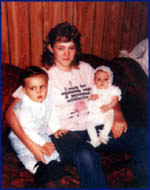
In the autumn of 1994, the discovery of Viola McCoy, a 36-year-old female from Kansas City, Missouri, marked the final and tragic chapter in a dozen-year reign of terror attributed to a serial killer known as the Missouri River Killer. Her death was the last of at least seven homicides that haunted the metro area, a series of brutal slayings that began in 1982 and left a trail of fear and unanswered questions.
The killer, who also went by the name "Avenue Mutilator," targeted women and girls, leaving their bodies in or near the murky waters of the river that cuts through the heart of the region.
Viola was last seen alive on September 8, 1994. According to her boyfriend at the time, she left after they had an argument. What happened in the hours and days that followed remains a mystery, but her life ended in unimaginable violence. On September 12, a human leg was found in Lafayette County. The next day, September 13, Viola’s torso was pulled from the Missouri River. The gruesome nature of the crime, specifically the dismemberment, immediately linked her murder to the string of unsolved killings that had periodically horrified the community.
The investigation into the Missouri River Killer had been a long and frustrating endeavor for law enforcement. The victims ranged in age from 13 to 36, and many, though not all, were connected to sex work along Kansas City's Independence Avenue. The killer’s methods varied, including stabbing, shooting, and strangulation, but the most chilling signature was the dismemberment of at least four of the victims, including Viola. This brutal trademark suggested a cold and methodical predator who used the river as a dumping ground to conceal his crimes.
For years, detectives pursued leads and searched for a suspect. In November 1994, just two months after Viola’s body was found, police seemed to have a breakthrough. They arrested a supply clerk named Gregory Breeden on unrelated check forgery charges but considered him the primary suspect in the serial killings. A search of his home uncovered 19 knives. In 1996, while Breeden was incarcerated for fraud, prosecutors felt they had enough evidence to indict him for the first-degree murder of Viola McCoy.
The case against Breeden, however, began to unravel. The prosecution was reportedly built on the testimony of a jailhouse informant who later refused to cooperate. With their key witness gone, prosecutors were forced to drop the murder charge against Breeden on April 1, 1999. He was never charged in connection with the other six murders. Breeden consistently maintained his innocence in public interviews, though he admitted to knowing some of the victims from the Independence Avenue area.
Viola McCoy was the last known victim of the Missouri River Killer. Her murder, like the others, remains officially unsolved. Gregory Breeden, the only person ever charged in relation to the killings, died of natural causes in May 2014, taking any potential secrets to his grave. The series of murders ceased after Viola's death, leaving investigators to wonder if the killer had died, been imprisoned for other crimes, or simply stopped. For the families of the seven confirmed victims, and potentially others, there has been no closure and no justice. Viola’s case is a cold one, a painful reminder of a predator who haunted Kansas City and was never held accountable.