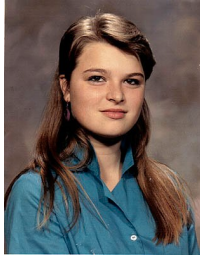
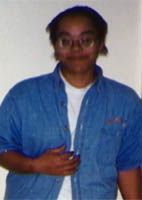
Anna Rose Ewing, 42, a Black woman from Kansas City, Missouri, was found dead on July 14, 2004, in the Prospect corridor area, a stretch of streets where sex work was an open secret and vacant properties could swallow a person whole. Police located her body at 2608 East 23rd Street, tucked into a backyard near a raised concrete pad and hidden beneath brush, as if someone had tried to let summer heat and weeds do the erasing.
She was nude except for a bra still partly on her and a knitted garment left around her neck; her legs and feet were muddy, and her body showed fresh-looking violence in the form of abrasions, bruising, and bleeding around her eye and brow.
Even before the city understood it was staring at a pattern, the scene around Ewing told a story of force and struggle. Investigators collected and tested biological evidence, including material from her body and blood from beneath her fingernails, and the case record later described test results that included the eventual suspect as a possible contributor in some samples. Her death, initially one grim discovery among many tragedies along Prospect, would become a key reference point when a killer began pointing the police toward bodies scattered through the same small pocket of Kansas City.
In early September 2004, an unidentified man called 911 to report a corpse and then, chillingly, explained how he knew: he said he had put the body there. During those calls, he not only directed police toward additional victims, but also talked about women he described as prostitutes with contempt, framing the killings as deliberate and serial. When asked about other victims, the caller mentioned a woman “on 23rd and Prospect” who had been found “long time ago,” and—pressed by the dispatcher—confirmed that he was responsible for that one, too, adding that he had more. The appellate record tied that reference to Ewing.
As investigators worked to identify the caller, they built a case around geography and sound as much as around blood and fibers: test calls, tower coverage, and details audible in the background of the 911 recordings were used to narrow where the calls likely originated. At the same time, a woman named Cherry Chadbourne flagged down police and reported that Terry A. Blair had told her he was going to kill prostitutes “one by one,” language that closely echoed the caller’s own phrasing, and she described behavior that made her fear he was stalking her.
Blair became the central suspect, and on September 10, 2004, after his image aired in a newscast as a person of interest in the Prospect-area murders, someone who recognized him contacted police. Officers found him hiding in a garage and arrested him; after being advised of his rights, he agreed to talk, denied contact with the victims and denied being the 911 caller, but placed himself in the same areas from which investigators believed the calls had been made.
In December 2004, prosecutors charged Blair in Jackson County with eight counts of first-degree murder tied to the 2004 killings, along with additional charges including assault and forcible rape; before trial, the state agreed to dismiss two murder counts and the non-homicide charges and not seek the death penalty, and Blair waived a jury. At a bench trial on March 27, 2008, the court found him guilty of six murders, including Ewing’s, and on April 24, 2008, he was sentenced to six consecutive life terms without the possibility of parole—closing the case in court, even if it could never undo what happened in that brush-covered backyard off East 23rd Street.