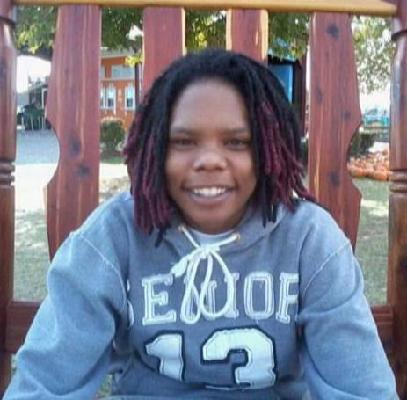
Sheliah McKinzie, 38, a Black woman, was found dead on September 2, 2004, in Kansas City, Missouri, after an odor led police to a vacant garage in the Prospect Avenue corridor where her body had been hidden beneath a tarp.
In that dim, neglected space, investigators realized they weren’t looking at an isolated tragedy. McKinzie’s body had been placed on top of another woman’s remains, a grim layering that suggested intent and concealment rather than abandonment.
The discovery landed in a city already on edge, with multiple women turning up dead across an 18-block stretch east of downtown—enough that residents and police alike began to talk about a single predator moving through the same battered blocks.
Within days, the investigation narrowed hard on a familiar name: Terry Blair, an ex-con recently out on parole. The first murder charge that followed centered on McKinzie after police said semen recovered from her body matched Blair’s, giving prosecutors a forensic link strong enough to file a count of first-degree murder. As the pressure rose, a man began placing chilling 911 calls—claiming knowledge of bodies and describing where they had been left, including a statement that he had “put the two” at the Montgall location, a detail later echoed in court records tied to the case.
Authorities weighed whether Blair could be responsible for the broader pattern, not only the cluster of killings but also multiple alleged sexual assaults in the same corridor. By the end of 2004, he faced a sweeping set of charges in Jackson County circuit court that included multiple counts of first-degree murder, along with additional allegations such as assault and forcible rape tied to other victims and survivors—though the case would later narrow before trial.
In 2008, Blair was convicted in a judge-only trial of six counts of first-degree murder arising from the 2004 string of killings; prosecutors presented the DNA evidence involving McKinzie and argued that the caller’s voice and knowledge of the body sites pointed back to Blair. The defense countered that the semen evidence proved sex, not murder, and Blair denied he was the person behind the calls, but the court ultimately found him guilty—closing the case in court, even as the details of how McKinzie’s last hours unfolded remained known only in fragments pulled from evidence, locations, and a trail of calculated concealment.