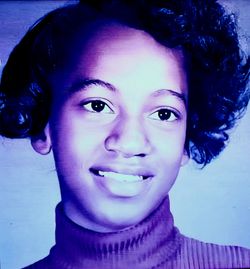
In the spring of 1988, Kimberly Rash, a 19-year-old mother of two, disappeared from her life in Kansas City, Missouri. For over a month, her family and friends were left to wonder where she had gone. The answer, when it came, was a horror that plunged them into a nightmare and linked Kimberly’s fate to one of the region's most terrifying and elusive predators, a serial killer who haunted the banks of the Missouri River.
On May 10, 1988, a fisherman in rural Ray County made a gruesome
discovery that ended the search for Kimberly. Her body was in the water, a silent testament to a brutal and calculated rage. She had been stabbed more than 30 times, primarily in her chest and around her hands, suggesting a desperate fight for her life. In a particularly monstrous act, the killer had dismembered her, removing both of her legs before leaving her in the river. The discovery of her naked and mutilated remains sent a shockwave of fear through the community and signaled to investigators that they were dealing with a killer of uncommon cruelty.
The discovery of Kimberly’s body came just three days after another victim, 17-year-old Linda Dennis, was found in the river. On the very same day Kimberly was found, the body of 16-year-old Rhonda Dennis was also pulled from the water. The grim succession of victims pointed to a terrifying pattern. Law enforcement quickly connected Kimberly’s murder to a string of unsolved homicides that began as early as 1982. The perpetrator became known as the Missouri River Killer or the Avenue Mutilator, a phantom who preyed on young women and girls, leaving their bodies to be carried away by the current.
Investigators determined that Kimberly was one of at least seven victims of this serial killer, whose reign of terror lasted until at least 1994. The killer’s methods varied, including stabbing, shooting, and strangulation, but a chilling signature was the dismemberment of four of the victims. While many of the women targeted were known to be sex workers who frequented Independence Avenue in Kansas City, Kimberly was not known to visit that area, though she had a history of arrests for prostitution. This deviation from the killer’s apparent pattern left investigators with more questions than answers.
The investigation into the series of murders was complex and frustrating. The FBI joined local law enforcement in May 1988 after the cluster of victims emerged, but their involvement was brief. Over the years, suspects were considered, but evidence remained elusive. A man named Gregory Breeden was charged in the 1990s with the murder of one of the later victims, Viola McCoy, but the charges were eventually dropped for lack of evidence. Breeden, who was considered the primary suspect in the series of slayings, died of natural causes in 2014, taking any potential secrets to his grave.
Decades later, the case of the Missouri River Killer remains unsolved, and the identity of the person who so viciously ended Kimberly Rash’s life is still unknown. For her family, the passage of time has not healed the wound of her loss. Kimberly was more than a victim or a statistic in a serial killer's tally. She was a young woman with children who depended on her. Her daughter later recalled that her mother had wanted to make her life better and take care of her children. That simple, powerful desire for a better future was stolen from her, leaving a legacy of unanswered questions and the enduring pain of a life cut tragically short.