Ernesto “Erno” Soto and the Unsolved Charlie Chop-Off Murders
Important Distinction
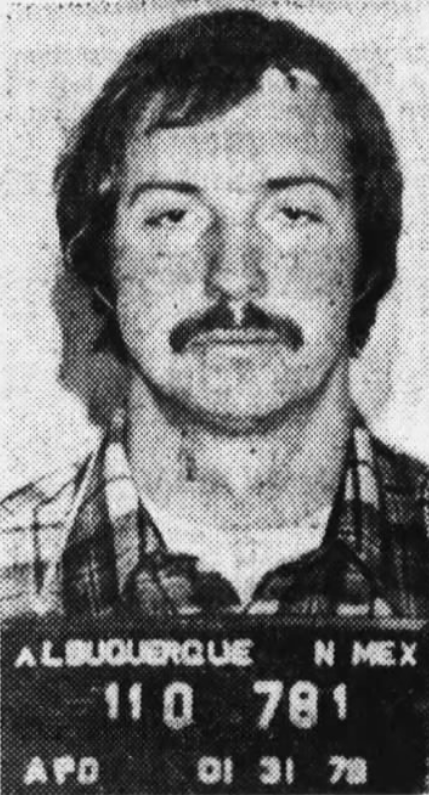
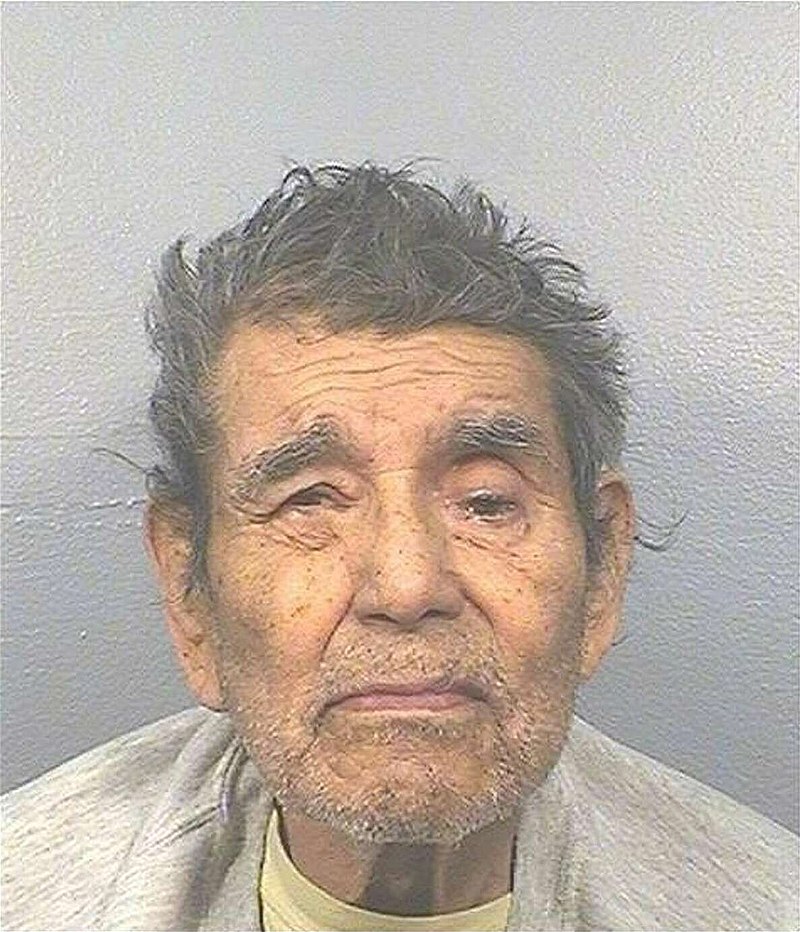
Ernesto “Erno” Soto was the principal suspect in a horrifying series of child murders committed in Manhattan during the early 1970s, but he was never convicted of the killings. The unidentified offender became known in newspapers and police discussions as “Charlie Chop-Off,” “the Mad Barber,” and “the Pied Piper of Manhattan.” Four young boys were murdered between March 1972 and August 1973, and another boy survived a nearly fatal attack. Although Soto confessed to one of the murders, the evidence against him was inconclusive, he was found mentally unfit to stand trial, and the complete series officially remains unsolved.
The attacks occurred in different parts of Manhattan, particularly Harlem, East Harlem, and the Lower East Side. Each victim was a young boy, and most were stabbed repeatedly before being subjected to severe genital injuries. The brutality and unusual similarities among the crimes convinced investigators that several of the attacks were probably committed by the same person. Fear spread among families as police struggled to determine how the killer selected and approached his victims.
The First Known Murder
The series began on March 9, 1972, with the murder of eight-year-old Douglas Owens. Douglas was discovered in a basement stairwell in Harlem after being stabbed dozens of times. Investigators reported that he had suffered approximately 38 stab wounds. His genital area had also been cut, although the injury was not a complete amputation.
The number of wounds suggested an intensely violent and sustained attack rather than a brief confrontation. Because the victim was a small child and was found in a location where an attacker could remain concealed, police considered the possibility that Douglas had been persuaded, forced, or carried into the building before he was killed. At that time, detectives did not yet know that the murder would become the first recognized death in a larger series.
A Child Survives a Similar Attack
On April 20, 1972, another young boy was repeatedly stabbed in Manhattan and suffered the severing of his genitals. Despite his catastrophic injuries, the child survived. His survival gave detectives their only known living witness to an attack attributed to Charlie Chop-Off.
The surviving victim later indicated that Soto resembled the man who had attacked him. However, the child would not make a definite identification during formal proceedings. This uncertainty became an important weakness in the case against Soto. Investigators could not rely on the boy’s statement as conclusive proof that Soto had committed either the attempted murder or the related killings.
The Murder of Wendell Hubbard
On October 23, 1972, ten-year-old Wendell Hubbard disappeared while playing near his home around Fifth Avenue and East 124th Street. His mother had seen him outside shortly before he vanished and expected him to return upstairs. When he failed to appear, she reported him missing, aware that other boys had recently been attacked in Manhattan.
Wendell’s body was later discovered on the roof of an East Harlem tenement building. He had been stabbed to death, and his genitals had been severed. The rooftop setting indicated that the killer had taken him into a relatively isolated area despite being surrounded by a densely populated neighborhood. The resemblance to the earlier attacks strengthened suspicions that one offender was targeting young boys across Manhattan.
The Murder of Luis Ortiz
Nine-year-old Luis Ortiz was killed on March 6, 1973. Luis, a Puerto Rican child, was stabbed approximately 38 times and suffered genital mutilation. The repetition of the same extreme violence seen in the Douglas Owens murder gave investigators another powerful reason to connect the cases.
The attack demonstrated that the killer was not limiting his victims to a single neighborhood or racial background. What the victims shared was their youth, gender, and vulnerability. Detectives believed the offender was probably familiar with Manhattan’s crowded residential buildings and knew how to move children into basements, stairwells, rooftops, or other secluded spaces without immediately attracting attention.
The Murder of Steven Cropper
The final recognized murder occurred on August 17, 1973. Eight-year-old Steven Cropper was found on the rooftop of a tenement building at 325 East Houston Street on Manhattan’s Lower East Side. A woman walking her dog discovered the mortally wounded child.
Steven had been slashed repeatedly with a razor or similar sharp instrument. Unlike most of the earlier victims, his genitals had not been mutilated. He died after suffering severe blood loss from a wound to his arm. The absence of the series’ most distinctive injury created some uncertainty, but investigators still considered the killing connected because of Steven’s age, the use of a bladed weapon, and the isolated rooftop location.
Known Victims and Attack Dates
- Douglas Owens, age 8 — March 9, 1972: Found murdered in a basement stairwell in Harlem, Manhattan. He had been stabbed approximately 38 times and suffered a severe genital injury.
- Unidentified surviving boy — April 20, 1972: Attacked and repeatedly stabbed in Manhattan. His genitals were severed, but he survived and later provided investigators with a limited description of his attacker.
- Wendell Hubbard, age 10 — October 23, 1972: Disappeared near Fifth Avenue and East 124th Street and was found murdered on the roof of an East Harlem tenement building. He had been stabbed, and his genitals were severed.
- Luis Ortiz, age 9 — March 6, 1973: Murdered in Manhattan after being stabbed approximately 38 times. He also suffered genital mutilation.
- Steven Cropper, age 8 — August 17, 1973: Found fatally slashed on the roof of a tenement building at 325 East Houston Street on Manhattan’s Lower East Side. He died from blood loss caused by an arm wound.
The Arrest of Ernesto Soto
Ernesto Soto came to the attention of police on May 15, 1974, after an attempted abduction involving a young Puerto Rican boy. Witnesses reportedly intervened and restrained Soto until police arrived. Soto, who was approximately 33 years old, was described as behaving irrationally and repeating a religious expression when he was taken into custody.
Soto had a long history of serious mental illness and had been admitted to Manhattan State Hospital on several occasions beginning in the late 1960s. He was also described as unemployed and as having a history of drug abuse. His psychiatric background did not prove that he was responsible for the murders, but the circumstances of his arrest caused detectives to examine whether he might be the man who had been preying on boys in Manhattan.
Soto’s Confession
During questioning, Soto confessed to killing Steven Cropper. His confession immediately made him the leading suspect in the Charlie Chop-Off investigation. Authorities attempted to determine whether he knew details that had not been released publicly and whether his movements could be connected to the other murder scenes.
The confession was complicated by Soto’s psychiatric condition. A confession from a severely disturbed suspect can be unreliable when it is inconsistent, unsupported by physical evidence, or made by someone who may not understand the questions being asked. Investigators therefore needed independent evidence before they could establish that Soto had killed Steven or any of the other children.
Soto’s surviving alleged victim said that he looked like the attacker but did not positively identify him in a lineup. Police also faced questions about whether Soto had been confined in Manhattan State Hospital when some of the crimes occurred. Hospital officials initially indicated that he was in custody during at least one relevant period, although Soto had previously escaped or left confinement without authorization. As a result, his institutional records did not conclusively eliminate him or place him at the murder scenes.
Why Investigators Suspected Soto
Several circumstances kept Soto at the center of the investigation. He had allegedly attempted to abduct a boy who resembled the age and background of the earlier victims. He confessed to the Cropper murder, and the surviving child believed that Soto looked similar to his attacker. Investigators also noted that the recognized murder series stopped after Soto was taken into custody.
An anonymous source reportedly identified Soto as a possible suspect in connection with the earliest killing. Detectives considered the combined pattern significant, even though none of these facts independently proved his guilt. No publicly established fingerprint, blood, weapon, or other physical evidence conclusively tied Soto to all four murder scenes.
Mental Competency and the Failure to Reach Trial
Soto’s ability to understand the proceedings became a central legal issue. In December 1976, he was declared mentally unfit to stand trial and was returned to a psychiatric institution. A finding of incompetency did not determine whether he was guilty or innocent. It meant that he was considered unable to understand the charges or participate meaningfully in his own defense.
Because Soto never faced a completed criminal trial, prosecutors were never required to present and defend the full case against him before a jury. The surviving witness was unable to identify him conclusively, his hospital history complicated the timeline, and his confession was never supported by enough publicly known evidence to settle the matter. Soto therefore remained a suspect rather than a convicted serial killer.
An Unresolved Identity
The true identity of Charlie Chop-Off has never been established in court. Some investigators believed Soto was the strongest suspect, while others remained troubled by the evidentiary gaps. Another man, Miguel Rivera, was also investigated after committing a separate attack with certain similarities, but authorities could not conclusively connect him to the entire series.
The possibility remains that Soto committed one murder but not the others, that he was responsible for the complete series, or that his confession was false and the actual killer was never identified. Differences between the attacks, including the lack of genital mutilation in Steven Cropper’s murder, have continued to raise questions about whether every crime was committed by the same person.
Legacy of the Case
The Charlie Chop-Off murders became one of New York City’s most disturbing unresolved serial-murder investigations. The victims were children living in crowded neighborhoods where rooftops, basements, stairwells, and vacant areas could provide brief but dangerous privacy. The offender appears to have exploited those spaces and the ordinary freedom children had to play near their homes.
Ernesto Soto’s name remains permanently associated with the case because of his arrest, confession, and suspected resemblance to the surviving victim’s attacker. Nevertheless, describing Soto as the confirmed killer would go beyond the established evidence. He was never convicted of murdering Douglas Owens, Wendell Hubbard, Luis Ortiz, or Steven Cropper, and no court determined that he was Charlie Chop-Off.
The deaths of the four boys remain the central tragedy of the case. Their murders frightened Manhattan families, produced an extensive police investigation, and left unanswered questions that persisted long after Soto was confined. With no conclusive identification of the offender, the Charlie Chop-Off murders continue to stand as an unresolved chapter in New York City criminal history.