The Rainey Street Ripper: The Austin Serial-Killer Rumor
Overview
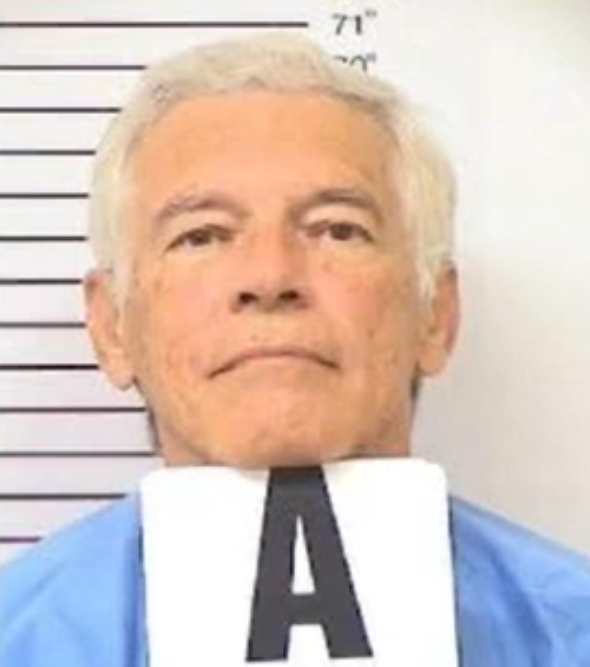
The “Rainey Street Ripper” is the name given by social-media users and some news outlets to a supposed serial killer believed to have operated around Austin’s Rainey Street entertainment district and Lady Bird Lake. The theory developed after a succession of men disappeared following nights out in downtown Austin and were later recovered from the lake or nearby sections of the Colorado River. No person has ever been identified, arrested, or charged as the Rainey Street Ripper.
Although the deaths generated intense public concern, law-enforcement officials have repeatedly stated that they found no evidence connecting them to one offender. In September 2025, Texas State University researchers and the Austin Police Department released the results of an extensive study of 189 drowning cases occurring between 2004 and 2025. Investigators reported that they found no direct or indirect evidence of a serial murderer, no meaningful geographic or chronological clustering, and no medical evidence that victims had been deliberately pushed or placed in the water.
Origins of the Name
Rainey Street is a heavily traveled Austin nightlife district filled with bars, restaurants, hotels, and residential buildings. The eastern end of the district is only a short distance from the Ann and Roy Butler Hike-and-Bike Trail and the shoreline of Lady Bird Lake. A person leaving a bar can reach poorly illuminated portions of the trail and waterfront within minutes.
The modern rumor gained momentum during 2022 and 2023, when several bodies were recovered from Lady Bird Lake in a relatively short period. Many of the dead were men, and some had reportedly been drinking or were last seen near downtown nightlife establishments. Online discussions treated these shared circumstances as evidence of a predator who drugged, followed, assaulted, or pushed victims into the water.
The frightening nickname exaggerated what authorities had actually established. There was no verified pattern of mutilation, stabbing, ritualistic injury, or other conduct normally associated with the word “Ripper.” In most of the highly publicized cases, police reported no suspicious trauma and medical examiners classified the death as accidental, undetermined, or unrelated to homicide.
People Associated With the Rainey Street Ripper Theory
- Ricky Parks — July 14, 2022 — Lady Bird Lake near 9 East Avenue, Austin: Parks was recovered from the water near the Rainey Street side of the lake. Austin police reported that the investigation revealed no evidence of foul play, and the case was closed. His recovery later became part of online timelines concerning the supposed killer.
- Christopher Gutierrez — December 10, 2022 — Lady Bird Lake near South Lakeshore Boulevard, Austin: Gutierrez was found in the lake on the southeastern side of downtown. Police reported no evidence that another person caused his death. His case was nevertheless grouped with later drownings because he was a man found in the same body of water.
- Josue Moreno — December 19, 2022 — near the pedestrian bridge at South Lamar Boulevard, Austin: Moreno’s death was a confirmed homicide rather than a mysterious drowning. He was shot during an altercation, and a vehicle associated with the incident crashed into the water. A suspect was charged with murder. Although Moreno appeared in some broad lists of bodies recovered from Lady Bird Lake, authorities did not connect his killing to any supposed Rainey Street serial offender.
- Kyle Thornton — December 28, 2022 — Lady Bird Lake near the Congress Avenue Bridge, Austin: Thornton was found near the bridge in downtown Austin. Police found no evidence of foul play and closed the investigation. His death became another component of the emerging online theory because it occurred only nine days after Moreno’s body was recovered.
- Jason John — February 13, 2023 — Lady Bird Lake near 30 East Avenue, Austin: John, 30, disappeared after spending the evening in the Rainey Street district. His body was recovered from Lady Bird Lake several days after he was last seen. The Travis County Medical Examiner determined that he died from accidental drowning. His highly publicized disappearance and proximity to Rainey Street made his case central to the serial-killer rumor.
- Clifton Axtell — March 5, 2023 — Lady Bird Lake near 1100 West Riverside Drive, Austin: Axtell’s body was recovered from the water on the opposite side of the lake from Rainey Street. The medical examiner was unable to determine a definitive cause of death. The undetermined ruling encouraged speculation, but police did not announce evidence of homicide or connect his death to any other case.
- Jonathan Honey — April 1, 2023 — Lady Bird Lake near 10 Rainey Street, Austin: Honey, 33, was last seen leaving a Rainey Street bar during the early hours of March 31. His body was recovered from the lake the following day near the Rainey Street waterfront. The medical examiner ruled his death an accidental drowning. Because he disappeared directly from the entertainment district, Honey became one of the most frequently cited supposed victims.
- Christopher Hays-Clark — April 15, 2023 — near the 2700 block of Canterbury Street, Austin: Hays-Clark was found near the lake east of downtown. Austin police stated that their investigation revealed no suspicious circumstances or evidence of foul play. His recovery came approximately two weeks after Jonathan Honey was found, increasing public anxiety about the number of deaths near the water.
- Mogga Dogale — June 27, 2023 — Lady Bird Lake near the 1000 block of West Cesar Chavez Street, Austin: Dogale was found near the western downtown shoreline. Police said the death was not being investigated as a homicide. The location was some distance from the core Rainey Street district, but the case was still added to online lists of alleged victims.
- Unidentified woman — February 5, 2024 — near 300 West Cesar Chavez Street, Austin: A woman’s body was recovered from Lady Bird Lake in central Austin. Police initially approached the death as a possible homicide, as is sometimes done when circumstances are uncertain. Authorities later announced that the case was no longer being investigated as a murder.
- Unidentified person — April 9, 2024 — near the Lamar Boulevard Bridge, Austin: A person was found near the lake but had not been recovered from the water. Emergency personnel indicated that the death may have involved cardiac arrest. The incident was included in public counts of deaths around Lady Bird Lake despite the absence of evidence linking it to a drowning or violent attack.
- Unidentified person — April 13, 2024 — near South Pleasant Valley Road and Longhorn Dam, Austin: A body was recovered from the water at the eastern end of Lady Bird Lake. Police stated that the death was not being investigated as a homicide. The recovery location was several miles from Rainey Street.
- Unidentified person — September 18, 2024 — 2700 block of Canterbury Street, Austin: A body was found on the trail approximately one block from Lady Bird Lake. Investigators reported no signs of foul play and no evidence that the person had entered the water.
- Unidentified man — September 29, 2024 — near Cesar Chavez and Nueces Streets, Austin: Witnesses reported a man behaving erratically before entering the lake and failing to resurface. Emergency responders removed him from the water and attempted to save him, but he was pronounced dead. Police reported that foul play was not suspected.
- Thi Lang Nguyen — December 2024 — Lady Bird Lake, Austin: Nguyen, 73, was found dead in the lake late in 2024. Police reported no visible trauma or evidence of foul play. Her age, gender, and circumstances differed significantly from the profile promoted in theories about young men disappearing after visiting Rainey Street.
The Suspected Method of Attack
Online theories proposed several possible methods, none of which has been substantiated. Some commentators alleged that a predator was placing incapacitating drugs in men’s drinks and following them from bars. Others suggested that victims were assaulted on the trail, pushed from the shoreline, or killed elsewhere and deposited in the lake. No publicly identified toxicology pattern, eyewitness account, surveillance recording, physical injury, or forensic evidence has demonstrated that such a method was used across the cases.
The absence of obvious injuries did not end speculation because drowning can sometimes leave limited external evidence. However, medical examiners and police investigators had access to autopsy findings, toxicology reports, witness statements, telephone records, surveillance footage, and the circumstances surrounding each disappearance. Their conclusions did not establish a recurring criminal method.
Why the Deaths Appeared Connected
The strongest apparent similarities were demographic and geographic. Several of the dead were men between young adulthood and middle age. Some disappeared at night, some had consumed alcohol, and some were last observed near bars before being recovered from Lady Bird Lake. These details created a compelling narrative when the cases were viewed together.
Lady Bird Lake, however, extends for miles through a densely populated city. It borders downtown streets, nightlife areas, recreational trails, bridges, parks, hotels, and residential buildings. The Rainey Street district also experienced major growth in visitors and alcohol sales. Researchers concluded that increased exposure to the waterfront, combined with intoxication, darkness, uneven terrain, and limited barriers, better explained the deaths than the presence of a predator.
The victims were not all found near Rainey Street. Several recoveries occurred far to the west or east, including areas near Riverside Drive, South Pleasant Valley Road, Longhorn Dam, Canterbury Street, and West Cesar Chavez Street. Some deaths involved known accidents, medical emergencies, erratic behavior, or a separately solved homicide. Combining every body discovered in or near the lake created the appearance of a single series even when the underlying circumstances were substantially different.
Official Investigations
The Austin Police Department repeatedly denied finding evidence of a serial killer. Detectives investigated the deaths separately, rather than assuming that every recovery from the lake represented the work of one offender. Police said that no pattern of injuries, witnesses, forensic evidence, or suspicious behavior linked the cases.
Texas State University’s Center for Geospatial Intelligence and Investigation later conducted an independent analysis led by criminologist Kim Rossmo. The researchers examined 189 drowning cases recorded between 2004 and 2025 and reviewed 54 cases in greater detail. They studied the dates, locations, victim characteristics, medical findings, and potential geographic clusters.
The study found that the frequency of drownings had remained comparatively stable, generally ranging from two to five incidents per year during the preceding nine years. Only eight cases over the entire 22-year period occurred near the Rainey Street district—an average of approximately one case every 32 months. Researchers found no statistically meaningful concentration that would suggest repeated attacks by one person.
The analysis also found that the known cases were consistent with accidental-drowning patterns seen elsewhere. Men between the ages of 22 and 44 are disproportionately represented in drowning statistics, and alcohol is a common contributing factor. Researchers found no medical or investigative evidence of victims being pushed from bridges, deliberately submerged, or killed by a serial predator.
Public Distrust and Online Speculation
The rumor persisted partly because families and members of the public found it difficult to accept that healthy adults could accidentally enter the water without being seen. In several cases, there were gaps between a victim’s last known sighting and the discovery of the body. Limited public access to autopsy records, surveillance footage, and complete investigative files left unanswered questions that online investigators attempted to fill.
Social-media groups created timelines, compared photographs, mapped recovery sites, and collected reports from people who believed they had been drugged in Austin bars. Reports of drink tampering represented a legitimate public-safety concern, but they did not prove that a single offender was murdering people at Lady Bird Lake. Unverified anecdotes were frequently repeated alongside confirmed deaths until the distinction between evidence and speculation became blurred.
Safety Improvements
The controversy drew attention to genuine hazards around Rainey Street and the lakeside trail. Residents complained about inadequate lighting, confusing pathways, steep drops, gaps in fencing, and easy nighttime access to the water. The City of Austin approved improvements costing hundreds of thousands of dollars, including permanent lighting, fence extensions, a gate near waterfront stairs, sidewalk improvements, and clearer directional signs.
These measures addressed the risk identified by official investigations: intoxicated or disoriented pedestrians leaving a crowded nightlife district and entering a dark waterfront environment. Authorities also encouraged people to travel in groups, watch their drinks, arrange safe transportation, remain on illuminated routes, and avoid approaching the water while impaired.
Conclusion
The Rainey Street Ripper is not a confirmed serial killer. It is an unproven theory that grew around a real and disturbing series of deaths in and around Lady Bird Lake. The repeated recovery of bodies, particularly men who had recently visited downtown Austin, understandably alarmed residents and the victims’ families. Nevertheless, similarity alone did not establish murder.
No common offender, criminal signature, established method, or connected set of homicidal injuries has been identified. Several deaths were ruled accidental, others showed no evidence of foul play, one was a separately prosecuted shooting, and some involved circumstances unrelated to the supposed pattern. After reviewing more than two decades of cases, researchers and police concluded that the evidence supported accidental drownings and independent incidents rather than a hidden campaign of serial murder.