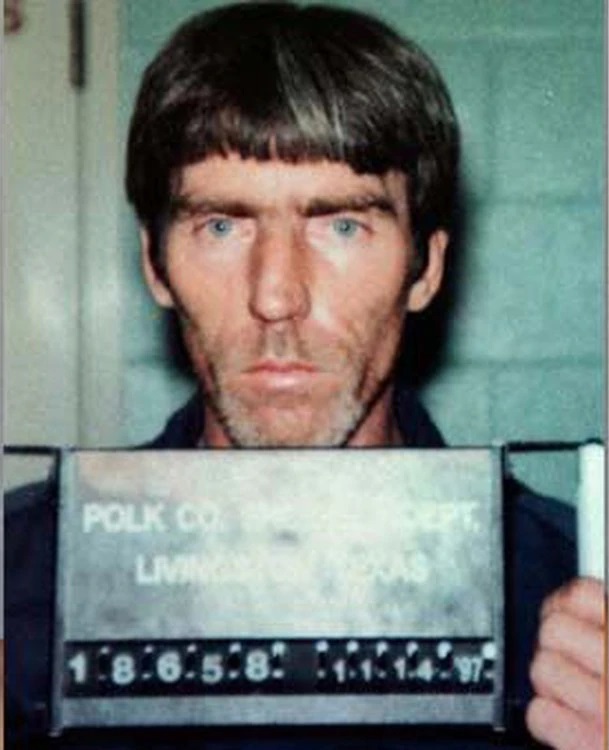
Daniel Joseph Blank: The River Parishes Serial Killer
Overview
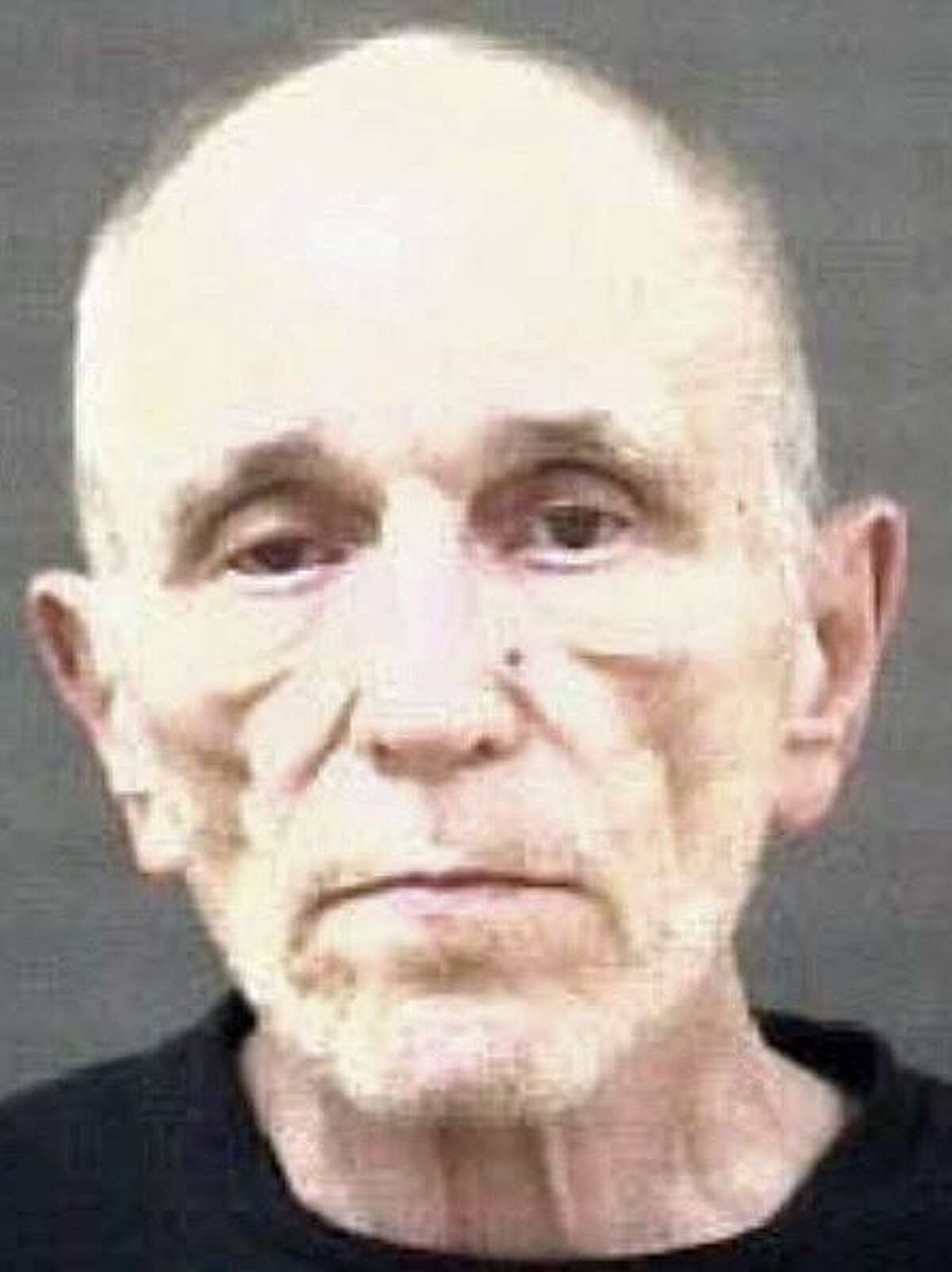
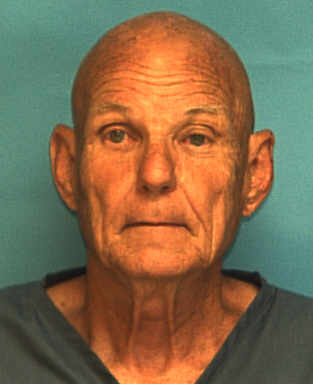
Daniel Joseph Blank is an American convicted serial killer from Louisiana who became known as the River Parishes Serial Killer. His crimes took place between 1996 and 1997 in the River Parishes area, the region along the Mississippi River between Baton Rouge and New Orleans. Blank worked as a mechanic and had personal or local connections to several of the people he targeted. His victims were attacked in or near their homes, usually during robberies or attempted robberies. The crimes were marked by home invasions, blunt-force attacks, stabbing, and theft.
Blank later confessed to six murders and to the attempted murders of Leonce and Joyce Millet, a married couple who survived being shot outside their Gonzales, Louisiana, home. Investigators believed that money was the main motive. Blank was described as having a gambling problem, and authorities argued that he robbed victims to obtain cash.
Confirmed Victims
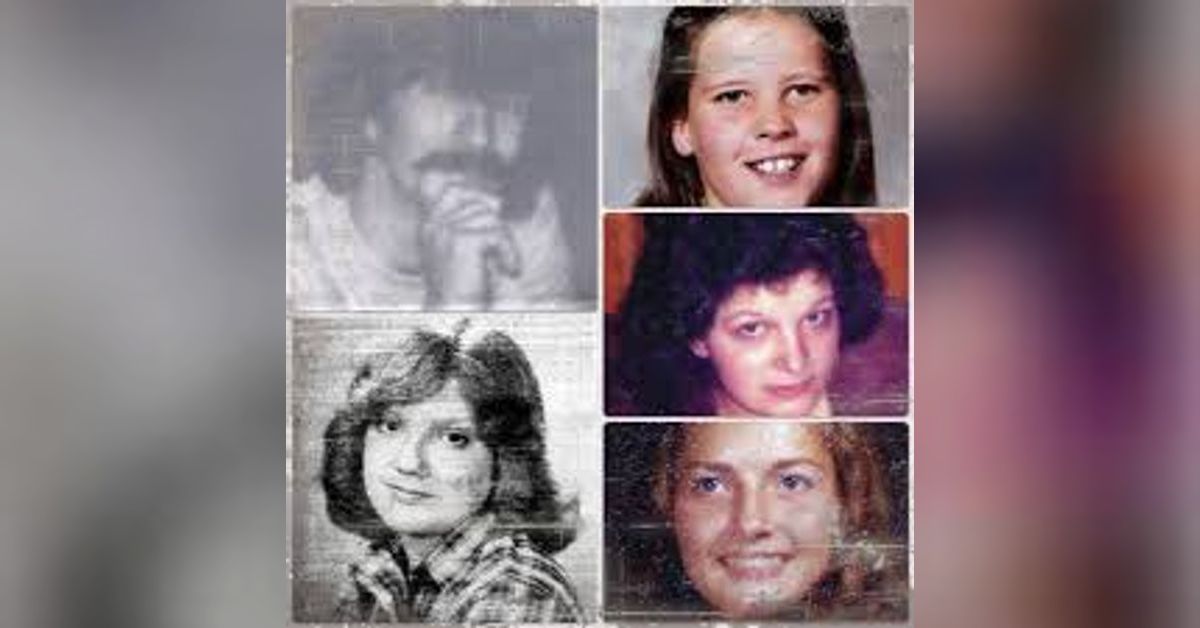
- Victor J. Rossi, 41 - Murdered on October 27, 1996, in St. Amant, Ascension Parish, Louisiana. Rossi was one of Blank's former employers. He was killed during a robbery at his home.
- Barbara Bourgeois, 58 - Murdered on the night of March 18, 1997, or in the early morning of March 19, 1997, in Paulina, St. James Parish, Louisiana. Blank entered her home intending to steal money, disabled the telephone wires, and attacked her after she woke and confronted him.
- Lillian Philippe, 71 - Murdered on April 10, 1997, in Gonzales, Ascension Parish, Louisiana. She was attacked inside her home after Blank entered through the roof area and searched the house for money.
- Sam Arcuri, 76 - Murdered on May 9, 1997, in LaPlace, St. John the Baptist Parish, Louisiana. He and his wife were killed during a home-invasion robbery.
- Louella Arcuri, 69 - Murdered on May 9, 1997, in LaPlace, St. John the Baptist Parish, Louisiana. She was killed alongside her husband, Sam Arcuri, inside their home.
- Joan Brock, 55 - Murdered on May 14, 1997, in LaPlace, St. John the Baptist Parish, Louisiana. Brock was the wife of one of Blank's former employers. She was attacked during a robbery at her residence.
Attempted Murder Victims
- Leonce J. Millet Jr. - Shot during an armed robbery and attempted murder on July 6, 1997, in Ascension Parish, Louisiana. He survived.
- Joyce Millet - Shot during the same attack on July 6, 1997, in Ascension Parish, Louisiana. She survived.
Early Life and Background
Daniel Joseph Blank was born on June 28, 1962. Publicly available records describe him as a Louisiana mechanic who lived and worked in the same general region where his crimes occurred. Before the murders, he had ordinary employment connections in the automotive trade. Those connections later became important because some of the victims were not strangers. Victor Rossi had employed Blank, and Joan Brock was connected to Blank through her husband, who had also employed or worked with him in the past.
Blank's outward life did not immediately suggest the extreme violence that followed. He was not widely known as a public threat before the murder series. However, investigators later focused on his need for money and his gambling habit. The prosecution's theory was that Blank committed burglaries and robberies to obtain cash, then killed people who were present, recognized him, resisted him, or interrupted him while he searched their homes.
The Murder of Victor J. Rossi
The first known murder attributed to Blank was the killing of Victor J. Rossi on October 27, 1996. Rossi was 41 years old and lived in St. Amant, Louisiana, in Ascension Parish. Rossi had employed Blank in the automotive field, which meant Blank knew him personally and knew something about his life and routine.
Blank later admitted involvement in Rossi's death. The killing occurred during a robbery at Rossi's home. Investigators believed Blank targeted him for money, and Blank gave statements suggesting resentment connected to work, payment, and equipment. Rossi's murder was the beginning of a pattern: Blank went to a familiar residence, looked for money, and used sudden violence when the situation escalated.
The Murder of Barbara Bourgeois
Barbara Bourgeois was 58 years old and lived in Paulina, Louisiana, in St. James Parish. She was killed on the night of March 18, 1997, or in the early morning of March 19, 1997. Blank knew the neighborhood because Bourgeois lived near his father's home. This gave him familiarity with the area and may have helped him choose her residence.
Blank went to Bourgeois's home intending to steal money. Before entering, he disabled the telephone wires, cutting off a way for the victim to call for help. He then entered the house and began searching through the residence. Bourgeois woke up and confronted him. During the confrontation, Blank attacked her with a household object, striking her repeatedly. The attack caused fatal blunt-force injuries.
The Bourgeois murder showed how Blank's burglaries could become deadly when a victim discovered him. The crime was not a random public attack; it happened inside the victim's home, a place where she should have been safe. Blank's method was opportunistic, but also deliberate in the sense that he prepared the scene by cutting the phone line and entering with theft in mind.
The Murder of Lillian Philippe
Lillian Philippe was 71 years old and lived in Gonzales, Louisiana, in Ascension Parish. She was murdered on April 10, 1997. Her death became the central case that placed Blank on Louisiana's death row.
Blank entered Philippe's home through the roof area after removing or disturbing an attic vent. Once inside, he searched the house for money. Philippe encountered him inside the residence. During the confrontation, she was beaten and stabbed. Her body was later found in her bedroom area after relatives became concerned when she failed to appear for planned travel and could not be reached by telephone.
The scene indicated a violent home invasion. Officers found signs of forced entry through the roof and evidence of a struggle inside the home. Philippe's age became an aggravating factor in the prosecution because she was over 65 years old and was killed during the commission of an aggravated burglary. Blank was convicted of first-degree murder in her death and sentenced to death.
The Murders of Sam and Louella Arcuri
On May 9, 1997, Blank killed Sam Arcuri, 76, and Louella Arcuri, 69, inside their home in LaPlace, Louisiana, in St. John the Baptist Parish. The Arcuris were an elderly married couple, and their murders intensified fear across the River Parishes because the pattern of home-invasion killings had now expanded to a double homicide.
Blank targeted the Arcuris' home for robbery. During the crime, both victims were bludgeoned to death. The attack followed the same basic pattern seen in the other killings: a residence was entered, money or valuables were sought, and the people inside were killed. Blank later pleaded guilty to the murders of Sam and Louella Arcuri and received two life sentences.
The Arcuri case was especially alarming because it showed that Blank would not stop at killing one person if more than one victim was present. The murders also reinforced the view that he chose older victims and private homes where he believed money could be found.
The Murder of Joan Brock
Joan Brock was 55 years old and lived in LaPlace, Louisiana. She was murdered on May 14, 1997, only five days after the Arcuris were killed. Brock was connected to Blank through her husband, who had been one of Blank's former employers. This was another case in which Blank had prior knowledge of the victim or the victim's family.
Blank attacked Brock during a robbery at her residence. He later gave a confession describing the crime. Brock's murder became one of the major prosecutions against him. In 2000, he was convicted and sentenced to death for killing her, though that death sentence was later vacated because of trial issues. Blank eventually pleaded guilty in connection with Brock's murder and was resentenced to life imprisonment without parole.
Brock's death was the final confirmed murder in Blank's series. By this point, six people had been killed in less than seven months, and the attacks had spread fear across Ascension, St. James, and St. John the Baptist Parishes.
The Attack on Leonce and Joyce Millet
On July 6, 1997, Blank attacked Leonce J. Millet Jr. and Joyce Millet in Ascension Parish. Unlike the six murder victims, both Millets survived. The couple were shot during an armed robbery and attempted murder. Their descriptions helped investigators develop a composite sketch of the suspect.
The Millet attack was important because it gave law enforcement living witnesses. Their survival helped connect Blank to the broader pattern of violent home invasions and robberies. The attempted murders also showed that Blank remained dangerous after the last confirmed homicide and was still willing to use lethal force.
Investigation and Arrest
The River Parishes killings led to a broad investigation involving multiple jurisdictions. The crimes shared several similarities: victims were attacked in or near their homes, many were older, money appeared to be a motive, and the offender often had some knowledge of the victims or their surroundings.
Blank eventually left Louisiana and went to Texas, where he opened or operated a mechanic's shop. He was arrested in Onalaska, Texas, on November 14, 1997. After his arrest, investigators questioned him for many hours. Blank initially denied involvement, but he later gave detailed confessions to the murders and to the attempted murders of the Millets.
His confessions became a major part of the prosecution's case. Blank later challenged the statements, arguing that they were coerced or improperly obtained. Courts reviewed those claims, but the confessions were repeatedly treated as important evidence in the cases against him.
Convictions and Sentences
Blank was first tried for the murder of Lillian Philippe. A jury found him guilty of first-degree murder on September 2, 1999. The jury recommended the death penalty, and Blank was sentenced to death for Philippe's murder. The case was appealed, but the conviction and death sentence were upheld.
Blank was also prosecuted for other murders. He was convicted and sentenced to death for the murder of Joan Brock, but that sentence was later overturned because of procedural problems. He later accepted a guilty plea in that case and received life imprisonment without parole. He also pleaded guilty to the murder of Barbara Bourgeois and to the murders of Sam and Louella Arcuri, receiving additional life sentences.
Although Blank was charged in connection with Victor Rossi's murder and confessed to it, the Philippe death sentence and the later life sentences became the most significant parts of his punishment. He remains known primarily for the six confirmed murders and the attempted murders of the Millets.
Pattern and Motive
Blank's crimes were driven largely by robbery. He entered homes looking for cash or valuables and attacked victims who were present or who interrupted him. Several victims were elderly, and many were alone or vulnerable inside their homes. His crimes were not elaborate in the sense of using a complex weapon or ritual, but they were calculated in their choice of private residences and in the steps he sometimes took before entering, such as disabling telephone lines.
The attacks also showed a disturbing familiarity. Blank did not always target complete strangers. He had prior connections to some victims through work, family proximity, or local knowledge. This made the crimes especially frightening in the River Parishes, because the killer was not an outsider passing through. He was someone who knew the area and could move through it without immediately drawing suspicion.
Legacy of the Case
The Daniel Joseph Blank case remains one of the most notorious serial murder cases in Louisiana history. The crimes devastated families across several parishes and created fear among residents who realized that elderly people were being attacked inside their own homes. Blank's victims were ordinary people: employers, neighbors, retirees, and local residents whose lives were taken during robberies.
Blank's case also became part of Louisiana's long-running death penalty history. His death sentence for the murder of Lillian Philippe survived multiple appeals, while his other convictions resulted in life sentences. The case is remembered for the brutality of the home invasions, the vulnerability of the victims, and the way a series of local robberies escalated into six murders and two attempted murders within a short period of time.