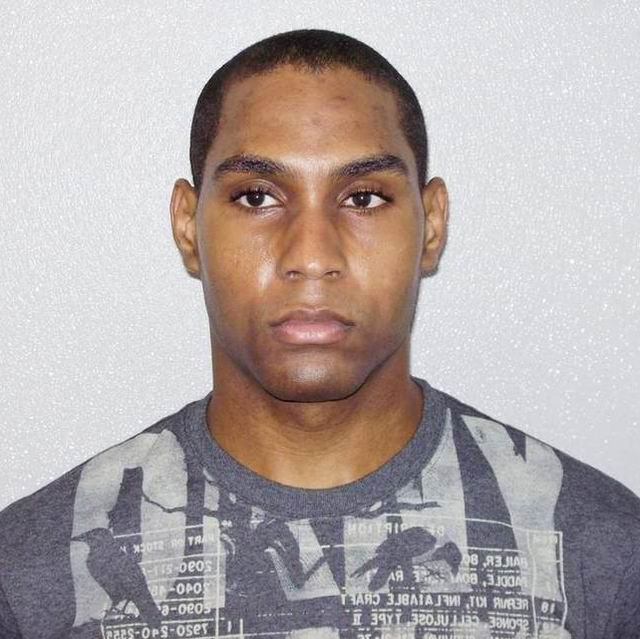
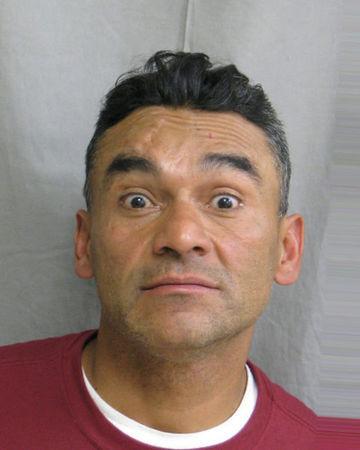
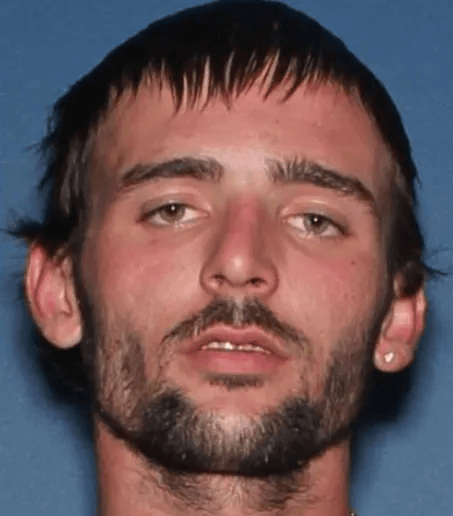
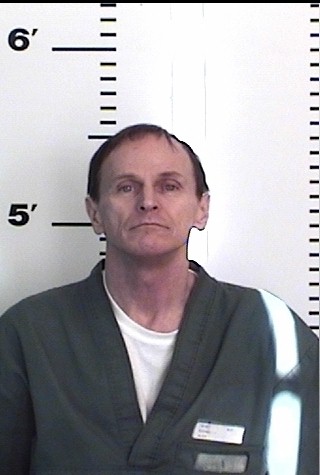
Daniel Oliver Jones: The Kansas City Serial Killer
Background and Early Violence
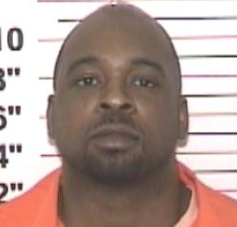
Daniel Oliver Jones, also known as Daniel O. Jones, was born on September 26, 1969, and grew up in the Kansas City, Missouri, area. He later became known as a serial killer responsible for the murders of four young women between December 1998 and March 2001. His crimes generally involved entering women’s homes, attacking them with a knife and leaving without taking valuable property. Several of the victims were women he knew or had encountered before, allowing him to approach their residences without immediately attracting suspicion.
Jones displayed serious violence years before the murders began. On May 20, 1987, while attending Raytown South High School, he attacked a 32-year-old female teacher. He forced her from a classroom into the school auditorium, sexually assaulted her and threatened to kill her. The teacher survived and identified Jones through a school yearbook. He was arrested several days later, convicted of forcible rape in 1988 and sentenced to ten years in prison.
After serving approximately eight years, Jones was released on parole on August 27, 1996. He was required to register as a sex offender. Little more than two years after his release, young women began dying in a series of violent attacks in Kansas City. The murders were initially investigated separately, but similarities in the manner of entry, the use of a knife and the lack of a clear robbery motive eventually revealed the work of the same offender.
The Murder of Jenai Douglas
Jones’s first confirmed murder victim was 19-year-old Jenai Douglas, a young woman he had known since adolescence and who had previously lived near him. On December 2, 1998, Jones entered Douglas’s apartment in Kansas City and attacked her in her bedroom. She was stabbed repeatedly and left inside the residence. Her roommate returned later that day and discovered her body.
Investigators found no indication that the killer had entered the apartment simply to steal property. Jones’s familiarity with Douglas made him a possible person of interest, but there was not enough evidence at the time to charge him. Following the murder, he reportedly visited Jenai’s mother, Kim Douglas, on several occasions and offered his condolences. His conduct appeared sympathetic at the time, although it later became clear that he was concealing his responsibility for the killing.
Jenai’s family continued to seek answers as the investigation remained unresolved. Her mother increased the reward for information about the murder, hoping renewed publicity would produce a witness or important evidence. The truth would not emerge until Jones was arrested for another killing more than two years later.
The Murder of Kaliquah Gilliam
On March 10, 1999, approximately three months after Douglas’s death, Jones entered the Kansas City home of 21-year-old Kaliquah Gilliam on Arleta Boulevard. Armed with a knife, he attacked Gilliam inside the residence and stabbed her 36 times. Her body was discovered later that day by a cousin.
The severity of the attack suggested intense and deliberate violence. Investigators attempted to determine whether Gilliam had been targeted because of someone she knew or because of circumstances surrounding an unrelated criminal case in which she had been accused of acting as a getaway driver. No immediate evidence connected that matter to her death, and Jones remained unidentified as her killer.
Gilliam’s murder shared important similarities with the killing of Jenai Douglas. Both victims were young women attacked with a knife inside their homes. In both cases, the killer escaped without an obvious theft motive. Despite those similarities, forensic evidence had not yet provided detectives with a definitive suspect.
The Murder of Roxanne Colley
Jones’s third confirmed victim was 21-year-old Roxanne Colley, who was killed on August 16, 1999, in Kansas City. Colley had earned her GED, worked as a legal secretary for the Internal Revenue Service and hoped to continue her education. Jones had previously become acquainted with her and knew where she lived.
Jones gained entry by breaking a rear patio window at Colley’s residence on Askew Avenue. Once inside, he sexually assaulted and attacked her. She suffered knife injuries, and her throat was cut. Her body was found after friends became concerned that they had not heard from her and went to check on her home.
Evidence collected from the scene included biological material that could be used to establish the attacker’s DNA profile. However, forensic testing and the process of entering the profile into criminal databases took considerable time. The evidence remained crucial because it would later provide a direct scientific connection between Jones and Colley’s murder.
The Murder of Candriea White
Jones committed his final confirmed murder on March 6, 2001. His victim was 18-year-old Candriea White, a young mother of two children. Jones entered her Kansas City home and confronted her in the kitchen. He attacked White with a knife, stabbing and slashing her 14 times.
White’s young children were inside the home during the attack. Jones left after killing their mother but did not physically harm the children. Investigators processed the residence and recovered bloody palm and fingerprint evidence left by the killer. Unlike the earlier cases, the physical evidence in White’s home quickly pointed police toward a specific suspect.
Jones’s palm print and fingerprints were matched to the impressions recovered at the murder scene. Two days after White’s death, on March 8, 2001, police arrested him. The arrest stopped a series of killings that had continued for more than two years.
Confirmed Victims
- Jenai Douglas, 19 — Killed on December 2, 1998, inside her apartment in Kansas City, Missouri. Jones had known Douglas for years and stabbed her repeatedly in her bedroom. Her roommate discovered her body later that day.
- Kaliquah Gilliam, 21 — Killed on March 10, 1999, inside her home on Arleta Boulevard in Kansas City, Missouri. Jones entered the residence and stabbed Gilliam 36 times. Her cousin found her body.
- Roxanne Colley, 21 — Killed on August 16, 1999, inside her residence on Askew Avenue in Kansas City, Missouri. Jones broke a rear window to enter, sexually assaulted her and killed her with a knife.
- Candriea White, 18 — Killed on March 6, 2001, inside her home in Kansas City, Missouri. Jones attacked the young mother in her kitchen while her two small children were present. Fingerprint and palm-print evidence led to his arrest on March 8, 2001.
Forensic Evidence and Confession
After Jones was taken into custody for White’s murder, investigators obtained his DNA and compared it with evidence preserved from other unsolved attacks. His DNA matched biological evidence recovered during the investigation into Roxanne Colley’s death. The match connected Jones to a murder committed approximately a year and a half before his arrest.
Detectives then examined the similarities among the killings of Colley, Douglas, Gilliam and White. Each woman had been attacked in a private residence, and a knife had been used in every murder. Jones had personal or neighborhood connections to some of the victims, and the offender in each case appeared more interested in violence and domination than in stealing property.
Confronted with the physical evidence, Jones eventually admitted responsibility for the murders. His confession provided investigators with the information needed to resolve cases that had remained open for years. The admissions also confirmed that the deaths were not unrelated acts of violence but part of a series committed by the same man.
Convictions and Sentencing
Jones was prosecuted first for the murder of Candriea White, the case in which investigators possessed strong fingerprint and palm-print evidence. In 2002, he was convicted of first-degree murder and related offenses. He received a sentence of life imprisonment without the possibility of parole.
Prosecutors continued preparing cases involving the other three victims. Jones faced the possibility of additional trials and potentially a death sentence. In 2004, he entered guilty pleas in connection with the murders of Jenai Douglas, Kaliquah Gilliam and Roxanne Colley. The pleas resulted in additional life sentences and ensured that he would remain imprisoned permanently.
His convictions included first-degree murder, multiple counts of second-degree murder, armed criminal action and other offenses associated with the attacks. The combined sentences eliminated any realistic possibility that he would ever be released.
Impact of the Crimes
The murders committed by Daniel Oliver Jones devastated four families and exposed serious difficulties in connecting violent crimes before modern forensic databases were fully effective. Evidence capable of identifying Jones existed after Roxanne Colley’s murder, but delays in testing and database processing prevented an immediate match. Had the connection been made sooner, Candriea White might not have become his final victim.
The case also demonstrated how an offender could return to extreme violence after serving a sentence for a serious sexual assault. Jones had already raped and threatened to kill a teacher as a teenager. After his release from prison, his violence escalated into a series of murders marked by home invasions, sexual aggression and repeated knife attacks.
Daniel Oliver Jones was ultimately held responsible for four confirmed murders committed between December 2, 1998, and March 6, 2001. His arrest resulted from traditional fingerprint comparison, while DNA evidence connected him to an earlier crime and strengthened the cases against him. He remains imprisoned under multiple life sentences, including life without the possibility of parole.