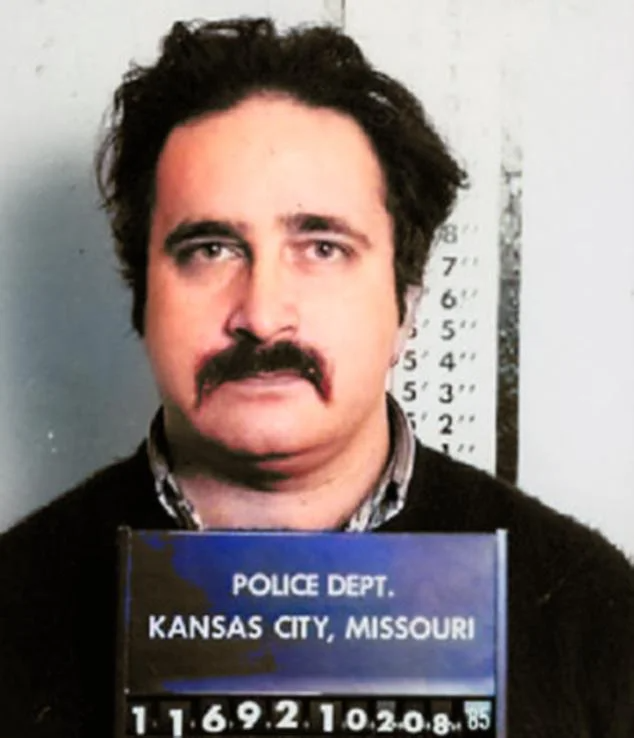
James Dale Ritchie: The Anchorage Serial Killer
Background
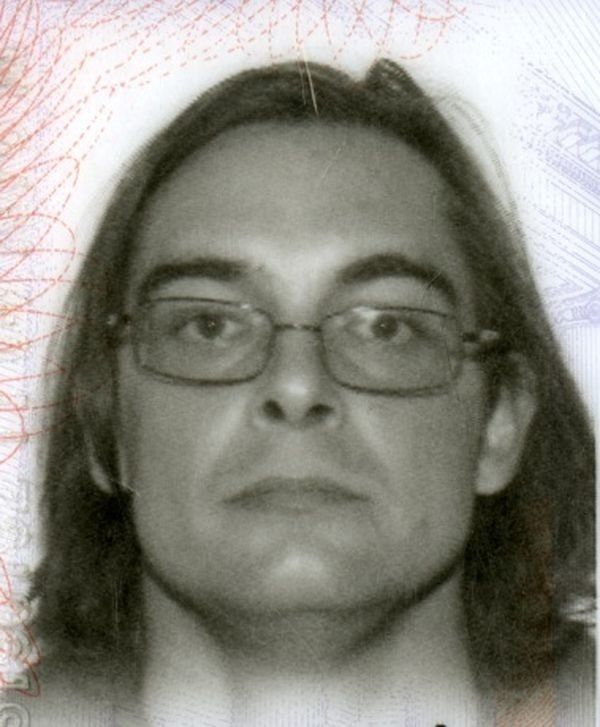
James Dale Ritchie was an American serial killer responsible for five fatal shootings in Anchorage, Alaska, during the summer of 2016. His crimes frightened residents because the victims appeared to have been chosen largely at random, the attacks occurred in public outdoor locations, and investigators initially had no clear suspect. Two of the shootings were double homicides, while the third attack claimed the life of a young man riding his bicycle home from work.
Ritchie was born in Anchorage on November 4, 1976, and grew up in the city’s Wonder Park neighborhood. As a young man, he was remembered as intelligent, athletic and socially capable. He attended East Anchorage High School, where he played football, and later spent time at West Virginia University. His adult life became increasingly unstable, however, and his record included drug-related offenses, burglary and other criminal activity.
In 2005, Ritchie was arrested after entering a residence while carrying handguns and plastic restraints. He was convicted of burglary and spent approximately two years in prison. Afterward, he eventually left Alaska and lived for a period in Virginia, where members of his family resided. He returned to Anchorage in March 2016, only a few months before the killings began.
The Beginning of the Murders
Ritchie’s first known attack occurred during the early morning hours of July 3, 2016. A bicyclist traveling along a path near Ship Creek discovered the bodies of 20-year-old Brianna Foisy and 41-year-old Jason Netter Sr. The victims were found west of North Post Road and Viking Drive in Anchorage.
Both Foisy and Netter had been shot. Police found no immediate evidence explaining why they had been together or why anyone would have wanted to kill them. Their relationship, if one existed beyond their presence at the same location, was never publicly established. The isolated bike path and the lack of obvious witnesses made the investigation particularly difficult.
Foisy had experienced homelessness and substance-use problems before her death. Her family had attempted to help her, but she remained in a vulnerable situation on the streets of Anchorage. Netter had also experienced personal and legal difficulties. Although both victims had complicated histories, investigators found no evidence that either had a known connection to Ritchie.
The discovery of two people shot to death along a public trail immediately raised concern, but police did not yet know that the killings represented the beginning of a series. Investigators reviewed surveillance recordings from surrounding areas and released images of people they hoped to identify. No arrest followed, and the killer remained free.
The Murder of Treyveon-Kindell Thompson
Twenty-six days after the bike-path murders, another fatal shooting occurred in East Anchorage. Shortly after 3:00 a.m. on July 29, 2016, residents near Duben Avenue and Bolin Street reported hearing several gunshots. Responding officers found 21-year-old Treyveon-Kindell Bobby Dwayne Thompson lying dead in the street.
Thompson had been riding his bicycle home after working a late shift. The attack appeared sudden and unprovoked. He was shot multiple times and was given little opportunity to escape or defend himself. Investigators found no convincing personal motive for the killing.
The murder had a disturbing personal connection that was not immediately known to police. Thompson’s father, Bobby Thompson, had known Ritchie when the two men were younger. Investigators later concluded that Ritchie had killed the son of someone he had once considered a friend. Even with that connection, authorities did not establish a clear dispute or grievance that explained why Thompson was targeted.
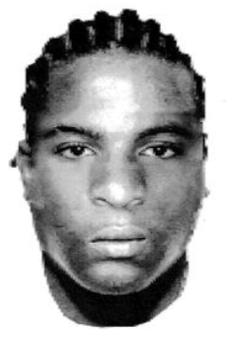
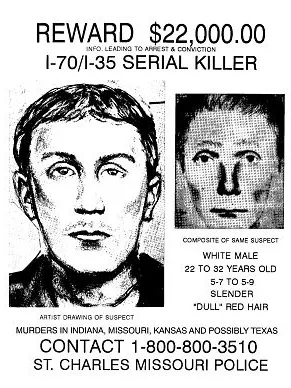
Witness information eventually helped police develop a description of a possible suspect. A composite sketch was circulated, and a reward was offered for information. Ritchie’s name was reportedly brought to the attention of investigators during the inquiry, but detectives did not yet have sufficient evidence to arrest him. At that stage, police also had not publicly established that Thompson’s death was connected to the earlier double homicide.
The Valley of the Moon Park Murders
The final confirmed killings occurred on August 28, 2016, at Valley of the Moon Park, a recreation area near downtown Anchorage. The bodies of 34-year-old Kevin S. Turner and 25-year-old Bryant C. Dehusson were found in or near the park during the early morning hours. Both men had been shot to death.
As in the earlier attacks, the location was an outdoor public space that became quiet and isolated at night. Turner and Dehusson were killed without any publicly established robbery, argument or personal conflict connecting them to their attacker. Their deaths increased fear that someone was deliberately hunting people in Anchorage’s parks and along its trails.
Investigators eventually determined through firearms examination that the same weapon had been used in the Ship Creek killings, Thompson’s murder and the Valley of the Moon Park double homicide. All five victims had been shot with a Colt Python .357 Magnum revolver. The ballistic match proved that the cases were connected, but police still needed to identify the person possessing the gun.
Confirmed Victims
- Brianna Foisy, age 20 — Shot and killed on July 3, 2016. Her body was discovered beside Jason Netter Sr. along a bike path near Ship Creek, west of North Post Road and Viking Drive in Anchorage, Alaska.
- Jason Netter Sr., age 41 — Shot and killed on July 3, 2016. He was found with Brianna Foisy on the same Anchorage bike path. Police did not establish a clear motive or disclose a definite relationship between the two victims.
- Treyveon-Kindell Bobby Dwayne Thompson, age 21 — Shot and killed during the early morning of July 29, 2016, near Duben Avenue and Bolin Street in East Anchorage. He was riding his bicycle home from work when he was attacked.
- Kevin S. Turner, age 34 — Shot and killed on August 28, 2016, at Valley of the Moon Park in Anchorage. His body was found in the park with Bryant Dehusson.
- Bryant C. Dehusson, age 25 — Shot and killed on August 28, 2016, at Valley of the Moon Park in Anchorage. His death and Turner’s death formed the second double homicide linked to Ritchie’s revolver.
The Chance Encounter That Ended the Case
The investigation changed dramatically before dawn on November 12, 2016. Anchorage police were responding to an unrelated complaint involving a passenger who had allegedly left a taxi without paying. Officer Arn Salao saw Ritchie walking west along East Fifth Avenue near Cordova Street at approximately 4:30 a.m.
Salao attempted to speak with Ritchie, who initially continued walking. Ritchie then turned toward the patrol vehicle, drew a revolver and opened fire. Salao was struck several times and suffered severe injuries. Despite being wounded, he managed to return fire. Sergeant Marc Patzke arrived during the confrontation and also fired at Ritchie.
Ritchie was fatally wounded in the exchange. He died at the scene at the age of 40. Officer Salao survived after emergency treatment and extensive surgery. The shooting initially appeared to be a violent but unrelated encounter between an armed man and the police. The weapon recovered from Ritchie, however, transformed the investigation.
The Colt Python Revolver
Police recovered a Colt Python .357 Magnum revolver from Ritchie after the shootout. Ballistics testing established that it was the same weapon used to kill Foisy, Netter, Thompson, Turner and Dehusson. It had also been used to shoot Officer Salao.
The revolver was the central piece of physical evidence linking Ritchie to the series. Investigators traced the gun’s history and determined that it had been in Ritchie’s possession before the first double homicide. Evidence showed that Ritchie had previously allowed an acquaintance to keep the weapon while he lived outside Alaska. After returning to Anchorage in 2016, he recovered it.
The discovery explained why the five summer murders shared the same ballistic markings. Detectives then examined Ritchie’s movements, personal connections, witness statements and other evidence. His appearance was consistent with the description developed after Thompson’s murder, and he had access to the murder weapon throughout the period in which the killings occurred.
Identification as the Killer
In November 2016, police publicly announced that the gun recovered from Ritchie had been connected to the five homicides. Because Ritchie had died in the shootout, he could not be arrested, questioned or prosecuted. Investigators continued working to determine whether he had acted alone and whether the available evidence was sufficient to attribute each killing directly to him.
On April 26, 2017, the Anchorage Police Department announced that detectives had developed sufficient probable cause to conclude that Ritchie was solely responsible for all five murders. Authorities officially classified him as a serial killer and closed the linked homicide investigations.
Ritchie was never convicted of the murders because his identity as the killer was established after his death. The conclusion was based on the murder weapon, its documented possession history, witness information and the broader collection of evidence gathered during the investigations.
Victim Selection and Possible Motive
No single motive was established for the murders. Police concluded that most of the victims appeared to have been selected largely at random. The attacks occurred late at night or during the early morning, when trails, streets and parks were quiet and potential witnesses were scarce.
Ritchie used the same powerful revolver in each known attack. His victims included people experiencing hardship as well as a young worker simply traveling home. The absence of a consistent personal connection suggested that opportunity and vulnerability may have played a greater role than any specific grievance.
Thompson’s indirect connection to Ritchie through his father distinguished that murder from the others, but investigators did not establish that it resulted from a dispute between the families. Ritchie left no known confession, written explanation or detailed record of his intentions. His death prevented detectives from learning why he began killing after returning to Alaska.
Unanswered Questions and Legacy
Investigators examined Ritchie’s life and travel history to determine whether he might have committed additional crimes outside Anchorage. He had lived in Virginia and traveled through other areas before returning to Alaska. No additional murder has been officially attributed to him, and the Anchorage Police Department’s confirmed count remains five victims.
The case demonstrated how ballistics evidence can connect crimes that initially appear unrelated. Without the revolver recovered after the shooting of Officer Salao, the three crime scenes might have remained unsolved for much longer. The police encounter was not planned as part of the homicide investigation, yet it unexpectedly placed the murder weapon directly into investigators’ hands.
James Dale Ritchie’s known killing period lasted less than two months, from July 3 through August 28, 2016. During that brief period, he killed five people at three locations and created widespread fear throughout Anchorage. His crimes ended only after he attacked a police officer and was killed in the resulting gunfight.
The five victims remain the central figures in the case. Brianna Foisy, Jason Netter Sr., Treyveon-Kindell Thompson, Kevin Turner and Bryant Dehusson lost their lives in attacks for which no satisfying motive was ever discovered. Although investigators ultimately identified their killer, Ritchie’s death ensured that he would never stand in court, answer questions from the victims’ families or provide an explanation for the violence he committed.