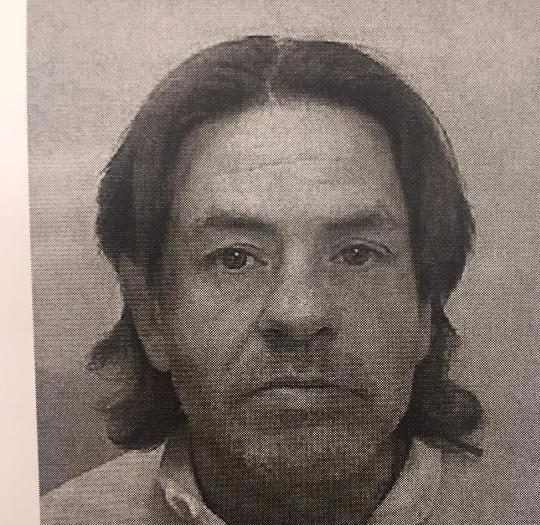
On the morning of July 3, 2016, Caucasian/White male Jason Netter Sr., 41, was found dead alongside 20-year-old Brianna Foisy on a bike path near Ship Creek in Anchorage, Alaska. A passing cyclist discovered the bodies around 7:45 a.m., and police quickly ruled the case a double homicide. The scene offered few clues: investigators recovered ballistic evidence but no shell casings, a detail that hinted at a revolver. In the days that followed, authorities identified the victims and asked for the public's help, releasing images of two men labeled persons of interest, while stressing that no one was in custody. The killings, sudden and silent, rattled a city used to long summer light but not to violence like this threading through its parks and trails.
For months, the case remained unsolved as Anchorage endured more unexplained shootings. Then, before dawn on November 12, 2016, an Anchorage police officer was ambushed and gravely wounded during a traffic stop downtown. In the brief, violent exchange that followed, the gunman—40-year-old Anchorage resident James Dale Ritchie—was shot and killed by responding officers. When forensic analysts examined the Colt Python. 357 revolver recovered from Ritchie, they tied it by ballistics to five homicides from the summer, including the July 3 killings of Netter, 41, and Foisy, 20. The same weapon linked the deaths of Treyveon-Kindell Thompson on July 29 and Kevin Turner and Bryant De Husson on August 28, bringing a grim coherence to a fearful season.
With that finding, investigators effectively named their suspect posthumously. There were no arrests; the man believed responsible was already dead. Police leadership later explained that they had kept certain investigative details from the public—among them, the revolver's significance—fearing the killer might discard the weapon if he realized it was being sought. In the wake of the linkage, the city learned how a single gun and a series of midnight wanderings had bound together the lives and last moments of disparate victims, including Netter, 41, and a community that had waited for answers since that summer morning on the Ship Creek trail.