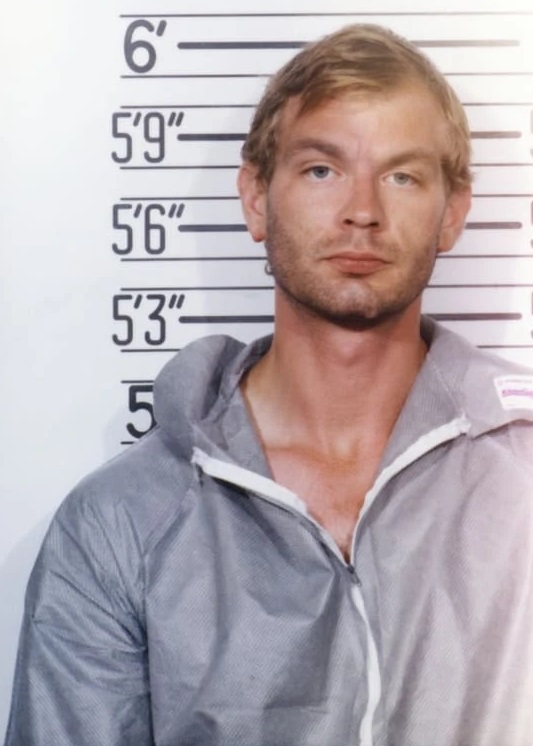
Kenneth Francis Harrison: The Boston Serial Killer Known as “The Giggler”
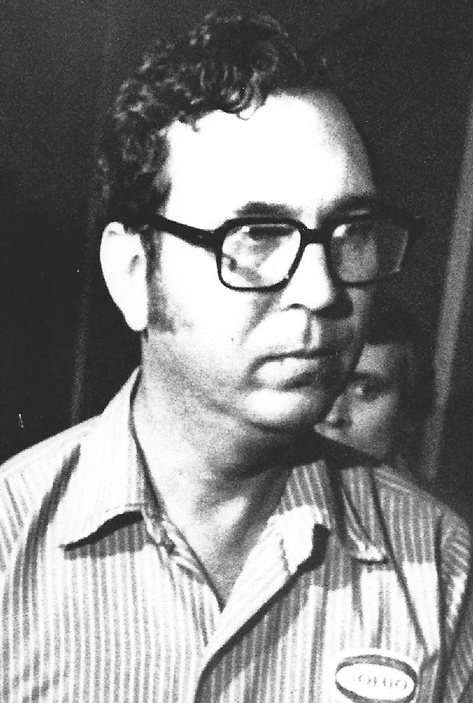
Kenneth Francis Harrison was an American serial killer responsible for the deaths of four people in Boston, Massachusetts, between 1967 and 1969. His victims included two children, an elderly woman and a 31-year-old military veteran. Harrison became known as “The Giggler” because of a disturbing telephone call in which he identified himself by that name and laughed while directing police to one of his victims.
Harrison’s crimes occurred around Boston’s South End, South Station and the Fort Point Channel. Two of the deaths were initially classified as accidental drownings. The connection between the cases did not become clear until Harrison was arrested for the murder of nine-year-old Kenneth Martin and confessed to the other killings.
Early Life
Kenneth Francis Harrison was born on September 4, 1938, in the Mission Hill neighborhood of Boston. He was the son of Earl Harrison and Veronica Harrison, who had been born in Poland. Harrison was one of two children in the family.
Little reliable information is available about his childhood. He left school after completing the eighth grade and never developed a stable career. As an adult, he worked intermittently as a cook but was frequently unemployed. He lived a transient life, moving between inexpensive rooming houses in Boston’s South End. At times, he reportedly slept or established temporary living spaces inside South Station.
Harrison regularly spent time in bars and other locations around downtown Boston. His unstable housing, familiarity with abandoned spaces and ability to move unnoticed through transportation facilities later played important roles in his crimes.
Known Victims
- Lucy Palmarin — Age 6. Date of death: April 15, 1967. Location: Fort Point Channel area, Boston, Massachusetts. Her body was recovered from the channel on May 24, 1967.
- Joseph “Joe” Breen — Age 31. Date of death: June 16, 1969. Location: A construction or excavation site near Albany Street in Boston, Massachusetts. His body was discovered on June 17, 1969.
- Clovis Parker — Age 75. Recorded date of death: November 27, 1969. Location: Fort Point Channel, Boston, Massachusetts. Her body was found floating in the channel on that date.
- Kenneth “Kenny” Martin — Age 9. Date of death: December 26, 1969. Location: A tunnel or deserted area beneath South Station in Boston, Massachusetts. His body was found ten days later, on January 5, 1970.
The Disappearance and Murder of Lucy Palmarin
On April 15, 1967, six-year-old Lucy Palmarin left her family’s home in a Boston public housing development to complete a simple errand. Her parents had sent her to return a tonic bottle. Lucy, whose family was from Puerto Rico, reportedly spoke little English and was not known to wander far from home.
When Lucy failed to return in time for dinner, her family reported her missing. Police officers, relatives and members of the community began searching the neighborhood. Authorities questioned residents and examined abandoned buildings, vacant lots and other isolated locations. Despite the large search effort, no immediate trace of the child was found.
A playmate reportedly told investigators that Lucy had been seen entering a dark-colored sedan driven by an unfamiliar man. The sighting intensified fears that she had been abducted, but investigators were unable to identify the driver or locate the vehicle.
On May 24, 1967, more than five weeks after Lucy disappeared, two teenagers walking near the Broadway area noticed what appeared to be a body among debris in the Fort Point Channel. Police recovered the remains, and one of Lucy’s brothers identified her.
Lucy’s death was attributed to drowning and was initially treated as an accident. Investigators did not know that she had been deliberately thrown into the water. Harrison later admitted that he was responsible for her death. According to accounts of his confession, he had taken Lucy to the channel and pushed or threw her into the water, leaving the six-year-old to drown.
Because the death had originally been classified as accidental, Harrison was not identified as a suspect at the time. Lucy’s case remained disconnected from his later crimes until his arrest in 1970.
The Murder of Joseph “Joe” Breen
Joseph Breen was a 31-year-old Marine Corps veteran who worked for the water department in Brookline. On June 16, 1969, Breen visited the Novelty Bar in Boston’s Combat Zone, an adult-entertainment district containing bars, clubs and theaters.
Breen spent part of the evening drinking with friends. While inside the bar, he met Kenneth Harrison, and the two men played shuffleboard. They remained together until the establishment closed and then left the bar in each other’s company.
Later that night, the men argued over money connected to a bottle of alcohol and the cost of a taxi. The disagreement became violent. Harrison pushed Breen into a water-filled construction pit or excavation site and attacked him with rocks, repeatedly striking him in the head.
After leaving Breen in the pit, Harrison went to a telephone and contacted the police. He told the person answering the call where a body could be found. He then identified himself as “The Giggler,” began laughing and ended the call.
Police followed the caller’s directions and discovered Breen’s body on June 17, 1969. His death was ruled a homicide. The injuries to his head and the circumstances of the scene made it clear that he had been violently attacked.
Investigators interviewed Breen’s friends, who described the stranger seen drinking and playing shuffleboard with him. Witnesses remembered a heavyset or pudgy man in his early thirties, of average height and wearing worn clothing.
One of Breen’s friends later saw Harrison inside the Novelty Bar and contacted police. Harrison left before officers arrived, and the witness did not know his name. Without a confirmed identity, investigators were unable to locate him, allowing Harrison to remain free.
The Death of Clovis Parker
Clovis Parker was a 75-year-old woman who lived in Boston’s South End. On November 27, 1969, her body was discovered floating in the Fort Point Channel. Identification papers remained with her, allowing authorities to establish her identity.
Parker’s death bore an important similarity to the death of Lucy Palmarin. Both victims had been placed in the Fort Point Channel, and both deaths were initially classified as accidents. At the time, however, investigators did not connect the cases.
After Harrison was arrested, he admitted responsibility for Parker’s death. He described pushing or throwing the elderly woman into the channel and leaving her in the water. His confession transformed what had been treated as an accidental drowning into a murder investigation.
Fewer public details are available about Parker’s final movements than about Harrison’s other victims. It is unclear how long Harrison had known her, how he approached her or what explanation he used to bring her close to the water. There was no publicly established personal motive. Like the other victims, Parker appears to have been selected because Harrison encountered her and believed she was vulnerable.
The Murder of Kenneth “Kenny” Martin
On December 26, 1969, nine-year-old Kenneth Martin left his home in Dorchester. He intended to travel by train to visit a friend. Kenny went to South Station, one of Boston’s busiest transportation centers.
Harrison was familiar with South Station and sometimes slept within the building or in its unused spaces. He approached Kenny near the station’s platforms or escalators and began talking to him. Harrison persuaded the boy to remain with him instead of continuing his planned journey.
He eventually led Kenny into a tunnel, deserted office or restricted area beneath the station. Once they were away from passengers and employees, Harrison strangled the child with a piece of twine.
Harrison concealed Kenny’s body beneath a canvas covering and left him inside the tunnel. The station’s abandoned rooms, passageways and utility areas allowed the body to remain undiscovered despite the number of people passing through the building each day.
Kenny was reported missing when he failed to arrive at his destination or return home. Witnesses told investigators that they had seen the boy with an adult man at South Station. Their descriptions increasingly directed suspicion toward Harrison.
On January 5, 1970, ten days after the murder, a detective searching South Station found Kenny’s body beneath the canvas. A friend of the boy assisted in identifying him.
Harrison’s Confession to His Sister
Before his arrest, Harrison telephoned his sister, Eileen Longo. During these conversations, he reportedly admitted that he had killed Kenny Martin and described where he had hidden the body.
Longo consulted an attorney before contacting law enforcement. She eventually provided police with information about her brother’s statements and whereabouts. Her decision was crucial to the investigation because Harrison had already left Massachusetts.
Authorities traced him to the Biltmore Hotel in Providence, Rhode Island. Harrison was arrested on January 7, 1970. He did not resist and agreed to return to Massachusetts without contesting extradition.
Connection to the Other Murders
Harrison was initially questioned and charged in connection with Kenny Martin’s murder. During the investigation, detectives began examining whether he might have been responsible for other unexplained deaths.
Harrison eventually confessed to killing Lucy Palmarin, Joseph Breen and Clovis Parker. His statements provided details about the victims, locations and methods that connected him to cases that had previously appeared unrelated.
The confessions revealed that his killing had continued for more than two years. They also exposed serious difficulties in recognizing connections between suspicious deaths. The drowning deaths of Lucy and Parker had been classified as accidental, while Breen’s murder involved a different method and location. Without Harrison’s admissions, the four cases might never have been publicly identified as the work of one offender.
Trial for the Murder of Kenny Martin
Harrison was tried first for the murder of Kenneth Martin. Prosecutors relied on witness testimony placing Harrison with the child, the discovery of the body inside an area of South Station familiar to Harrison and the statements he had made to his sister.
Eileen Longo testified about the telephone calls in which Harrison admitted involvement in the killing and described the location of Kenny’s body. Her testimony directly connected her brother to the concealed remains.
Harrison admitted that he had interacted with Kenny near the escalators at South Station but attempted to dispute the prosecution’s description of the murder. His defense argued that the killing might not have been planned and suggested that Harrison had been intoxicated or had experienced a blackout.
At one point, Harrison stated that there was insufficient evidence to convict him but also said that, if the jury found him guilty, he should receive the death penalty. Massachusetts was not carrying out executions at the time, and the available punishment was life imprisonment.
In November 1970, Harrison was convicted of first-degree murder for killing Kenny Martin. He received a life sentence without the possibility of parole and was sent to the Massachusetts Correctional Institution at Walpole.
Guilty Pleas for the Remaining Murders
Harrison still faced charges for the deaths of Lucy Palmarin, Joseph Breen and Clovis Parker. In June 1972, he pleaded guilty to the remaining murders. During the proceedings, he provided descriptions of how the killings had occurred.
He was convicted of second-degree murder in the three additional cases and received further life sentences. The convictions formally established his responsibility for four deaths.
Harrison’s attorney requested that he be allowed to serve his sentences at Bridgewater State Hospital rather than in an ordinary prison. The presiding judge explained that the court did not have authority to determine his permanent institutional placement.
Mental Health Confinement
Harrison spent only a brief period at MCI-Walpole before being transferred to Bridgewater State Hospital, a secure Massachusetts institution used for prisoners and defendants requiring psychiatric treatment.
He remained at Bridgewater for more than a decade. Public information about his treatment, diagnosis and daily behavior is limited. His long confinement at the hospital indicates that authorities considered him in need of substantial psychiatric supervision.
In early 1989, Harrison learned that he might be transferred from Bridgewater to MCI-Concord. Reports indicated that he became depressed after being informed about the possible move. Despite concerns about his emotional condition, he was not kept under continuous suicide observation.
Death of Kenneth Harrison
On April 20, 1989, members of the Bridgewater State Hospital staff found Harrison collapsed on the floor of his room. He was transported to St. Luke’s Hospital in Middleborough, Massachusetts, where he died.
An autopsy determined that Harrison had taken a fatal overdose of Elavil, an antidepressant medication that had been prescribed to him. His death was ruled a suicide. He was 50 years old.
The circumstances produced criticism of Bridgewater State Hospital, particularly concerning the level of supervision provided to Harrison. A hospital employees’ union alleged that staff had been ordered to reduce observation of him. A senior hospital psychologist disputed that account and stated that the decision not to place Harrison on suicide watch had been a clinical judgment.
Victim Selection and Methods
Harrison did not follow a single method of killing. Lucy Palmarin and Clovis Parker were thrown or pushed into the Fort Point Channel and drowned. Joseph Breen was pushed into a water-filled pit and beaten with rocks. Kenny Martin was strangled with twine inside South Station.
The victims also differed greatly in age and background. Harrison killed a six-year-old girl, a nine-year-old boy, a 31-year-old man and a 75-year-old woman. No common personal relationship between the victims has been established.
The strongest connection between the crimes was vulnerability and opportunity. Harrison targeted people whom he could isolate in places he understood well. Children could be manipulated into accompanying him. Parker was elderly, while Breen had been drinking and left a bar with Harrison late at night.
Water appeared in three of the four cases. Two victims were placed directly into the Fort Point Channel, while Breen was attacked in a water-filled excavation. Harrison’s use of the channel allowed deaths to resemble accidental drownings and helped conceal evidence of intentional violence.
The Origin of “The Giggler” Nickname
The nickname “The Giggler” came from Harrison’s telephone call after the murder of Joseph Breen. After directing police to the location of Breen’s body, Harrison announced that the caller was “The Giggler” and laughed before hanging up.
The call demonstrated an apparent desire to involve himself in the investigation while maintaining anonymity. It allowed Harrison to control the discovery of the body and to create a frightening identity around the crime.
Although later accounts sometimes describe Harrison making similar calls after multiple killings, the call most clearly documented and directly associated with the nickname was the call concerning Breen’s body.
Legacy of the Case
Kenneth Francis Harrison is less widely known than several other serial killers connected to Massachusetts, but his crimes remain among Boston’s most disturbing historical murder cases. His victims ranged from early childhood to old age, and several were killed in ordinary public locations.
The case illustrates how a serial offender can remain undetected when crimes are committed using different methods or are classified under different circumstances. Two of Harrison’s victims were believed to have died accidentally. Another was recognized as a homicide but was not immediately connected to him. Only the investigation into Kenny Martin’s disappearance brought the full series of crimes to light.
Harrison’s familiarity with Boston’s transportation corridors, abandoned spaces and waterfront gave him locations where he could isolate victims and hide their bodies. South Station and the Fort Point Channel, places used by thousands of residents, became central scenes in his crimes.
The convictions ensured that Harrison would never be released. He remained confined for the rest of his life and died in state custody in 1989, nearly twenty years after his arrest.
Remembering the Victims
The nickname attached to Harrison has often dominated accounts of the case, but the lasting focus should remain on the four people whose lives he ended.
Lucy Palmarin was a six-year-old child completing an ordinary errand for her family. Joseph Breen was a Marine veteran and municipal employee spending an evening with friends. Clovis Parker was a 75-year-old South End resident whose death was initially misunderstood. Kenneth Martin was a nine-year-old boy traveling to visit a friend during the Christmas holiday.
Their names, confirmed dates and locations provide a clearer record of the human loss behind Harrison’s crimes. Each victim encountered him under different circumstances, but all were deliberately isolated and killed by an offender who remained unidentified until the final murder led investigators to him.