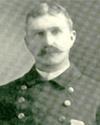
Joseph Breen, a 31-year-old White male, spent the evening of June 16, 1969 at the Novelty Bar in Boston’s Combat Zone, drinking with friends before a friendly game of shuffleboard drew him into conversation with another patron, Kenneth Harrison. Breen was a Marine Corps veteran who worked for the Brookline Water Department, the sort of man whose after-hours routine blended camaraderie and habit. When the bar closed, he and Harrison left together, and whatever had felt casual inside curdled on the street into an argument over the price of a bottle and the cab fare home. Somewhere along that short, dark stretch of night, Breen was shoved into a water-filled pit and struck in the head with rocks. His body was found the next day at the spot an anonymous caller had described.
The caller, who giggled and referred to himself as “The Giggler,” would become the spine-chilling signature of a killer operating in Boston in the late 1960s. Witness interviews led police to a composite description—pudgy, early thirties, shabbily dressed—of the man last seen with Breen, but a name eluded them for months. Meanwhile, the phone taunts continued after other deaths, weaving Breen’s murder into a pattern investigators were only beginning to understand.
On January 7, 1970, police tracked that voice and description to a room at the Biltmore Hotel in Providence, Rhode Island, and arrested Kenneth Francis Harrison. He was charged first with the murder of 9-year-old Kenneth Martin and, within days, arraigned on additional counts tied to other victims—including Breen. In court, prosecutors laid out a portrait of a drifter who haunted Boston’s stations and bars, a man who called police after killings as if he needed to hear himself confess. A jury convicted Harrison of Martin’s murder and he received a life sentence; in June 1972, Harrison pleaded guilty to the remaining murders, acknowledging how he had carried them out.
For Breen’s family, the case that began with a nightclub farewell and a phone line filled with laughter closed with the confirmation that the man who left the Novelty Bar at his side was the same man who ended his life. Harrison—remembered as “The Giggler”—died in 1989 while in state custody, long after the court had fixed responsibility for the violence that took Breen from Boston on that summer night.