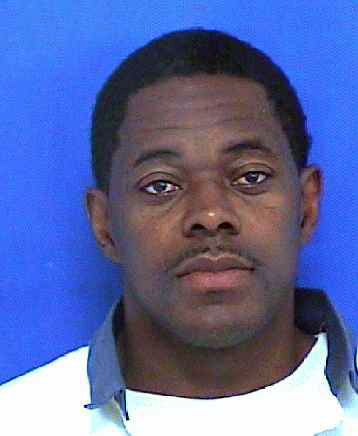
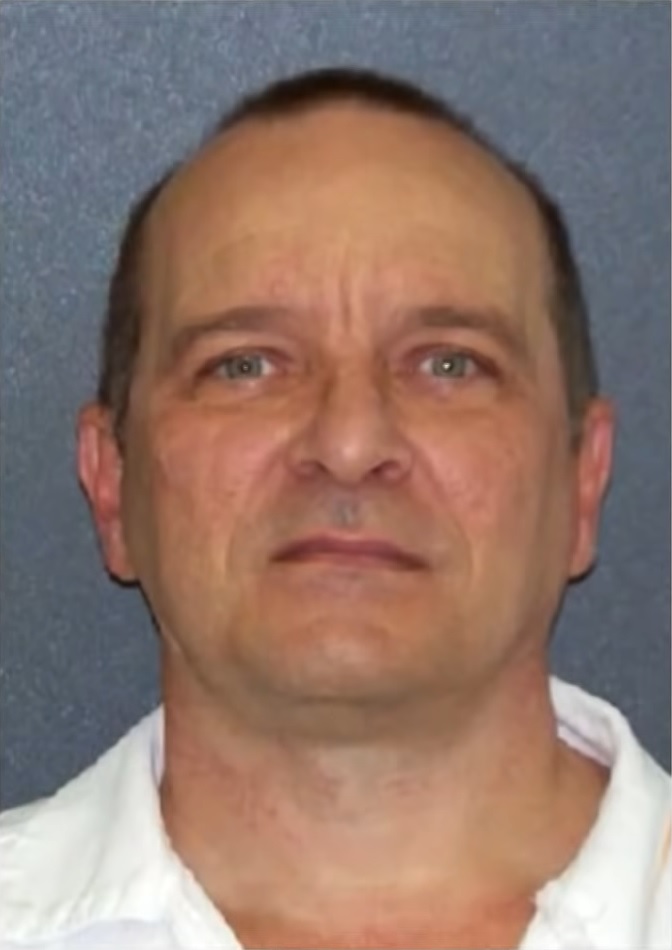
Emanuel Lovell Webb: The East End Killer
Overview
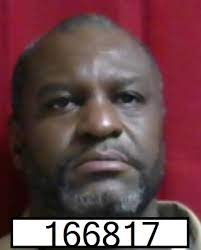
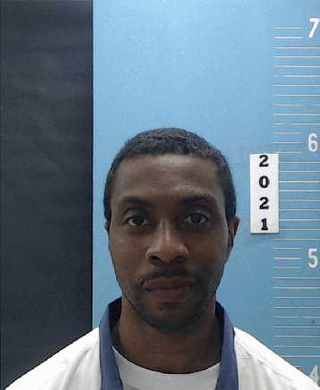
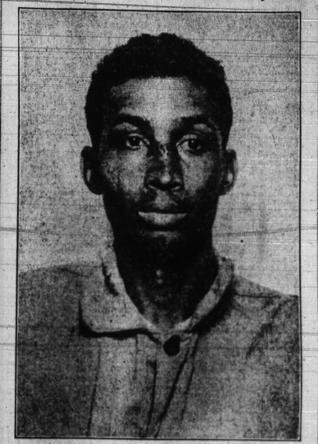
Emanuel Lovell Webb is an American serial killer whose crimes extended from Bridgeport, Connecticut, to Vidalia, Georgia, between 1990 and 1994. Known as the “East End Killer,” the “Bridgeport Killer,” and the “Bridgeport Strangler,” Webb was linked through DNA evidence to the deaths of four women in Bridgeport. He also admitted causing the death of a fifth woman after moving to Georgia.
The Connecticut victims were found within a relatively small section of Bridgeport’s East End, close to the residence where Webb was living with his sister. The murders involved strangulation, stabbing, sexual assault, or combinations of those forms of violence. Several crime scenes contained biological evidence that was preserved for years before advances in DNA testing finally identified Webb as the man responsible.
The Beginning of the Bridgeport Murders
The first known murder connected to Webb occurred on April 1, 1990. Bridgeport firefighters were dispatched to a burning sports car near the intersection of Crescent and Bunnell Streets. After extinguishing the flames, they discovered the body of Sharon Cunningham in the front passenger seat.
Cunningham had been strangled with a strip of cloth wrapped around her neck before the vehicle was set on fire. Her body was extensively burned and partially unclothed. Investigators recovered male biological evidence indicating that she had also been sexually assaulted. The deliberate burning of the vehicle appeared intended to destroy the body and any evidence that might identify the killer.
At the time, police had no suspect and no reason to know that Cunningham’s death marked the beginning of a series. The forensic evidence collected from her body would not become useful until DNA technology had advanced considerably.
The Murder of Minnie Sutton
Nearly two years later, on March 28, 1992, Minnie Sutton was found dead inside her home on Webster Street in Bridgeport. Her partially clothed body was lying in the living room. She had been stabbed repeatedly in the forehead, neck, chest, and abdomen, and investigators also found evidence that she had been strangled.
Sutton’s three-year-old son was inside the home during the attack but was physically unharmed. The presence of the child added another disturbing dimension to the crime, as the killer had committed an exceptionally violent assault while a young child was nearby.
Investigators determined that Sutton had been sexually assaulted. A cigarette butt recovered near her body contained male DNA. That discarded object eventually became an important piece of the evidence connecting Webb to the murders, although the technology required to identify him was not yet available when Sutton was killed.
The Murder of Elizabeth “Maxine” Gandy
Elizabeth “Maxine” Gandy disappeared during the Easter period in April 1993. Her body was discovered on April 19 inside an abandoned building near Stratford Avenue and Fifth Street in Bridgeport. The building had once operated as a pool hall and had become an isolated location where an attacker could act without attracting immediate attention.
Gandy was found partially unclothed, and the condition of her clothing suggested that she had been sexually assaulted. Investigators believed that a heavy piece of wood found near her body had been used as a weapon. Blood spatter and other disruption inside the building showed that Gandy had fought fiercely against her attacker.
Male DNA was recovered from beneath Gandy’s fingernails. The evidence indicated that she had scratched the killer during the struggle. Investigators later learned that Webb sought medical treatment for serious cuts to his hand on April 20, 1993, one day after Gandy’s body was found. The timing of his injury became significant circumstantial evidence when the cold-case investigation eventually focused on him.
The Death of Sheila Etheridge
The fourth Bridgeport victim linked to Webb was Sheila Etheridge. On June 28, 1993, her father and a friend entered her Bishop Avenue apartment after becoming concerned because they had not heard from her for several days. They found Etheridge dead in her bedroom.
The investigation indicated that she had likely been sexually assaulted and strangled. A beer can discovered near her body contained male biological evidence. Years later, DNA testing connected that evidence to Webb.
Although Webb was initially charged with Etheridge’s murder, prosecutors later dropped that individual charge while resolving the other Connecticut cases. Authorities nevertheless considered the Etheridge homicide solved because of the DNA evidence linking Webb to the scene.
Relocation to Georgia
Webb moved from Connecticut to Georgia in August 1993. The known sequence of similar murders in Bridgeport ended after his departure. He found construction work and settled near Vidalia, but the change of location did not end his violence.
On July 11, 1994, Evelyn Charity was found dead inside her Vidalia home. She had been strangled and stabbed, and her residence had been ransacked. Her Chevrolet Camaro was missing.
Police soon located Webb in possession of Charity’s stolen vehicle. During questioning, he admitted causing her death but attempted to portray the strangulation as an accident that occurred during consensual sexual activity. He claimed that he stabbed Charity after she was already dead and disturbed the house to make the killing resemble a robbery.
Webb’s explanation did not erase the evidence that he had strangled Charity, stabbed her, ransacked her home, and stolen her automobile. He ultimately pleaded guilty to involuntary manslaughter, robbery, and motor-vehicle theft. In 1994, he received a sentence of 20 years in prison.
Known Victims
- Sharon Cunningham — Killed on or about April 1, 1990, in Bridgeport, Connecticut. Her body was discovered inside a burning car near Crescent and Bunnell Streets. She had been strangled with cloth, sexually assaulted, and partially burned when the vehicle was set on fire.
- Minnie Sutton — Killed on or about March 28, 1992, inside her home on Webster Street in Bridgeport, Connecticut. She was sexually assaulted, strangled, and stabbed repeatedly. Her three-year-old son was present in the home but was not physically harmed.
- Elizabeth “Maxine” Gandy — Killed in April 1993 and found on April 19, 1993, inside an abandoned pool hall near Stratford Avenue and Fifth Street in Bridgeport, Connecticut. She had been assaulted and beaten with a piece of wood. DNA was recovered from beneath her fingernails.
- Sheila Etheridge — Found dead on June 28, 1993, inside her apartment on Bishop Avenue in Bridgeport, Connecticut. She had apparently been sexually assaulted and strangled. DNA recovered from a beer can at the scene was later linked to Webb.
- Evelyn Charity — Killed on or about July 11, 1994, inside her home in Vidalia, Georgia. She was strangled and stabbed. Her home was ransacked, and Webb was arrested while possessing her stolen Chevrolet Camaro.
Parole and the Cold-Case Investigation
Despite receiving a 20-year sentence for the Georgia case, Webb was paroled in late 2001 after serving approximately seven years. By that time, the Bridgeport murders remained unsolved, although detectives had long suspected that several women killed in the East End had been attacked by the same person.
During the late 1990s and early 2000s, a cold-case unit began reviewing approximately 15 killings of women in Bridgeport from the late 1980s and early 1990s. Detectives examined the physical evidence collected from the Cunningham, Sutton, Gandy, and Etheridge crime scenes. Biological samples were submitted for more advanced forensic testing and comparison through national DNA databases.
In November 2005, Webb was detained in Georgia for possessing drugs and failing to report a change in his residence, both violations of his parole conditions. As a convicted offender, he was required to provide a DNA sample for entry into a criminal database.
In early 2006, investigators received notification that Webb’s DNA matched evidence from the Bridgeport murders. The genetic match provided the breakthrough detectives had been waiting for and connected a former neighborhood resident to crimes that had remained unresolved for more than a decade.
Evidence Connecting Webb to the Murders
The case against Webb involved more than a single DNA sample. Male genetic material recovered from several scenes was consistent with his DNA profile. Investigators also reconstructed Webb’s movements and determined that he had been living within approximately ten blocks of the locations where the Bridgeport victims were found.
Webb worked as a security guard in nearby Fairfield during the period of the murders. His move to Georgia in August 1993 coincided with the end of the known East End killings. Less than a year later, Evelyn Charity was killed in Georgia in another crime involving strangulation, sexual circumstances, additional violence, and theft.
The injury Webb suffered immediately after Gandy’s death was particularly incriminating. Gandy had male DNA under her fingernails, indicating that she scratched her attacker. Hospital records showed that Webb received treatment for significant cuts to his hand the following day.
Extradition and Connecticut Charges
Webb was extradited from Georgia to Connecticut in February 2007. He was initially charged with the murder of Elizabeth Gandy, and a judge set his bond at $4 million. Further DNA comparisons connected Webb to the crime scenes associated with Cunningham, Sutton, and Etheridge, resulting in additional murder charges.
The state prepared to present the murders as a connected series involving similar victims, geographic proximity, sexual violence, strangulation, and Webb’s DNA. Prosecutors also intended to use the Georgia killing to demonstrate a pattern of conduct consistent with the Bridgeport crimes.
Webb ultimately entered no-contest pleas to three counts of murder involving Sharon Cunningham, Minnie Sutton, and Elizabeth Gandy. A no-contest plea allowed the court to convict him without requiring him to make a formal admission of guilt in open court.
The Etheridge Case
The charge involving Sheila Etheridge was dropped in May 2008 as part of the resolution of the Connecticut prosecution. The dismissal did not mean that investigators had cleared Webb or believed someone else committed the crime. Authorities stated that the DNA evidence linked him to Etheridge’s death, and the case was considered closed.
Webb was therefore convicted of three Connecticut murders, was forensically linked to Etheridge’s murder, and had already been convicted in connection with Charity’s death in Georgia. He is commonly described as having five known victims, with four deaths resulting in criminal convictions or guilty pleas.
Sentencing
In 2008, Webb was sentenced to 60 years in prison for the three Bridgeport murders. The sentence was imposed more than 18 years after Sharon Cunningham’s death and approximately 15 years after the killings of Gandy and Etheridge.
Webb appealed aspects of the Connecticut proceedings, including rulings involving the consolidation of the murder cases and the potential admission of evidence from the Georgia crime. The Connecticut Appellate Court upheld the judgments against him.
Following the Connecticut prosecution, Webb was returned to Georgia to address his parole violation. After completing the remaining Georgia proceedings, he was transferred back to Connecticut to serve the lengthy murder sentence.
Possible Additional Victims
During the investigation, Bridgeport authorities reviewed numerous other killings to determine whether Webb might have been responsible. The four women linked to him were among more than a dozen women killed in the city during the late 1980s and early 1990s.
Investigators reportedly considered Webb a possible suspect in several additional homicides, but the available evidence was not sufficient to support further charges. No additional victims have been conclusively attributed to him in court.
The concentration of his known crimes within a small area, the length of time between some of the murders, and his movement from Connecticut to Georgia raised the possibility that other attacks may never have been recognized as part of the same series. Without physical evidence, reliable witnesses, or a confession, however, those suspicions remain unproven.
Legacy of the Investigation
The Emanuel Lovell Webb investigation demonstrates the importance of preserving physical evidence in unsolved homicide cases. The detectives who originally examined the Bridgeport crime scenes could not identify Webb using the technology available during the early 1990s. Years later, the same biological material could be analyzed, compared, and matched to a convicted offender.
The case also shows how a parole violation and a routine DNA submission can revive investigations that have remained dormant for decades. Webb’s 2005 detention resulted in his genetic profile entering a database, allowing investigators to connect him to evidence collected long before his name appeared in the Bridgeport files.
For the families of Sharon Cunningham, Minnie Sutton, Elizabeth Gandy, Sheila Etheridge, and Evelyn Charity, the eventual identification of Webb provided accountability after years of unanswered questions. The convictions could not restore the lives that were taken, but they established the identity of the man responsible for a series of predatory and violent crimes committed across two states.