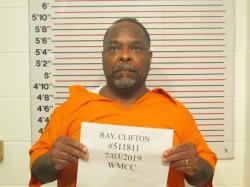
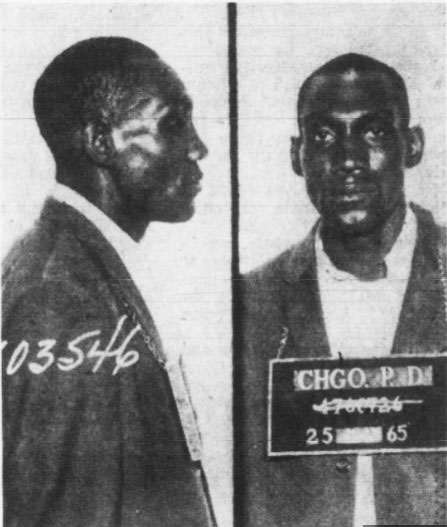
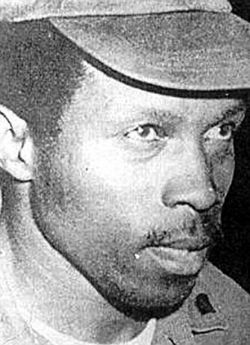
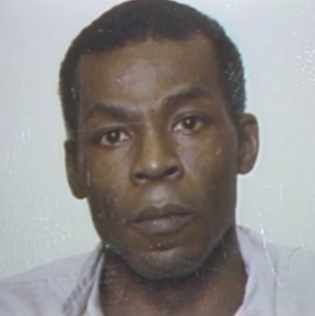
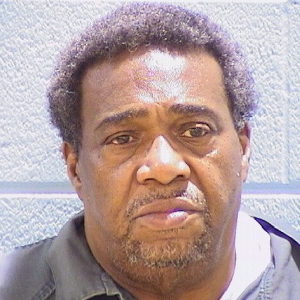
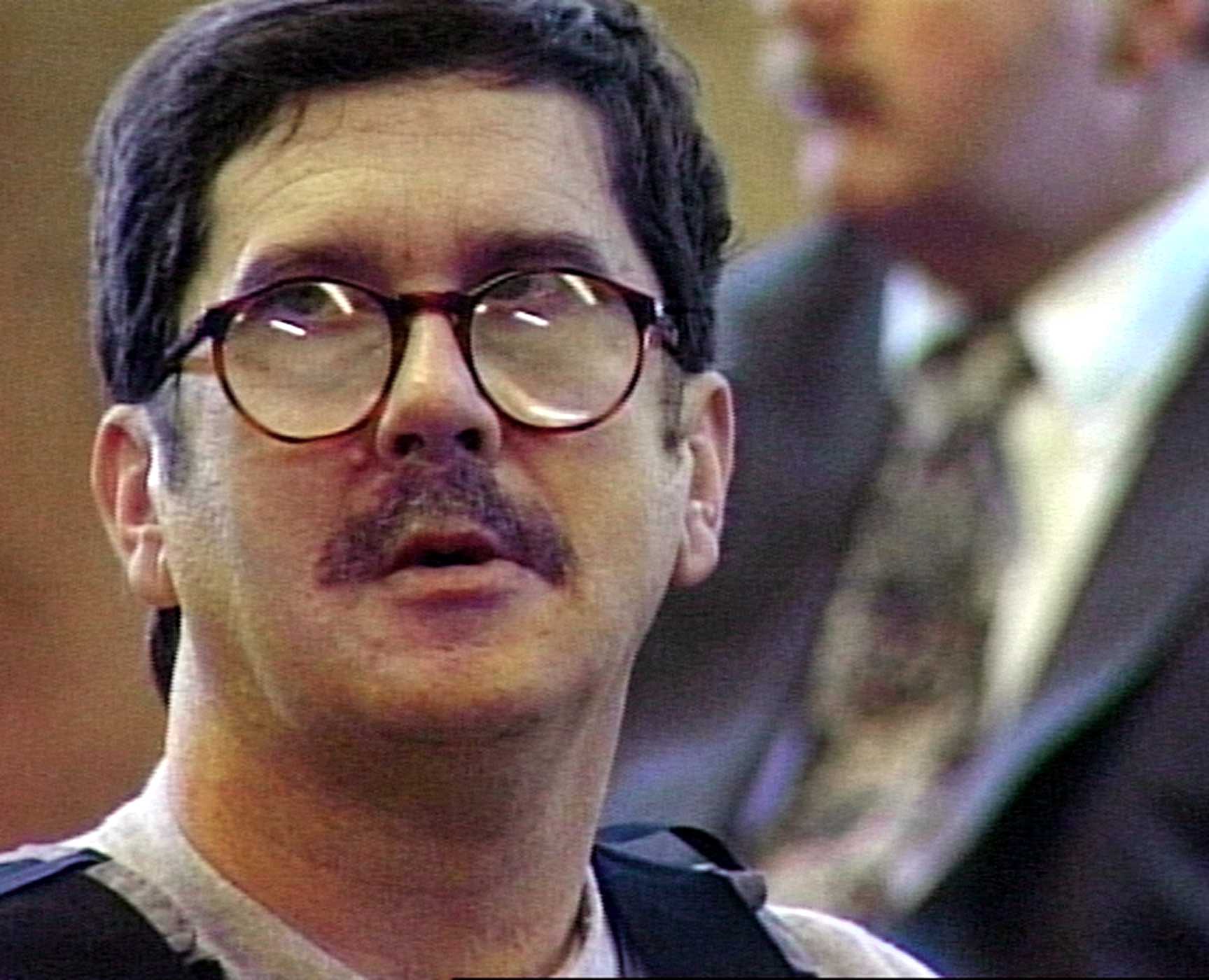
Clifton Lee Ray Jr.: The Kansas City Serial Killer
Background
Clifton Lee Ray Jr. was born on July 27, 1958, and grew up in a working-class neighborhood in Kansas City, Missouri. His father sold used automobiles and operated a gas station and several salvage yards, where Ray sometimes worked. As a child, Ray attended a Baptist church, played baseball in a church league, and later played football while attending school. He graduated from Paseo High School in 1976.
Ray attended Metropolitan Community College-Penn Valley for one semester before joining the United States Marine Corps. He served for approximately three years at Camp Pendleton in California. After leaving the military, he returned to Kansas City and worked a series of temporary and irregular jobs.
Ray began having serious encounters with law enforcement during early adulthood. He was arrested on a rape accusation in 1979, although that charge was dismissed. While attending Langston University, he was accused of stealing a woman's purse. He eventually married a woman he had known since high school, and the couple had four children.
Over the following years, Ray accumulated numerous arrests and accusations involving disorderly conduct, resisting arrest, drug offenses, indecent exposure, sexual assault, and homicide. Many of the cases were dismissed or did not result in lengthy imprisonment. This pattern allowed him to remain free during much of the period in which women and elderly residents of Kansas City were being killed.
The 1987 Death of Tonya Taylor
One of the earliest killings connected to Ray occurred in May 1987. Tonya Taylor, a 23-year-old woman, was found nude and beaten to death. Investigators developed evidence that led prosecutors to charge Ray with second-degree murder. However, the case was dismissed because authorities believed the available evidence was insufficient to obtain a conviction.
The dismissal meant that Ray was released without being tried for Taylor's death. Although the accusation became an important part of the later investigation into his history, he was never convicted of killing her.
The Murder of Deborah D. Taylor
On December 11, 1987, Deborah D. Taylor was found strangled in a vacant field in the Kansas City area. She was fully clothed when her body was discovered. Biological evidence was recovered from her thigh and from a tissue located near the body, but forensic technology available at the time could not identify the person who had left it.
Deborah had attended Pittsburg State University and was the mother of two daughters. Her murder remained unresolved for years while the biological evidence was preserved. In 2003, investigators used improved DNA testing methods to compare the evidence with Ray's genetic profile. The results linked him to the crime scene and eventually provided prosecutors with the evidence needed to charge him with Deborah's murder.
The Murder of Joycie Flowers
Joycie Flowers, 41, was found dead on May 24, 1990, at a homeless encampment in Kansas City, Missouri. Her body was largely unclothed, and exposure to the outdoor environment had caused significant deterioration before she was discovered. Investigators recovered biological evidence from her body, but the murder remained unsolved for more than a decade.
Flowers was the mother of four children. She had also been active in her church, where she served as a Sunday school teacher and choir director. Later DNA analysis matched the biological material recovered during her autopsy to Clifton Ray.
The DNA evidence became the central feature of the prosecution. Ray denied responsibility, but prosecutors argued that the genetic match placed him in direct physical contact with Flowers during the circumstances surrounding her death. He was ultimately convicted of murdering her.
The Royal Towers Apartment Deaths
In 1992, Ray reportedly entered treatment for alcohol and drug abuse. After leaving treatment, he moved into the Royal Towers Apartments in Kansas City and began studying heating and air-conditioning repair. The apartment building was home to numerous elderly, disabled, and economically vulnerable residents.
After Ray moved into the building, a disturbing series of deaths occurred among its residents. Some victims were clearly murdered, while other bodies were too decomposed for investigators to determine an exact cause of death. Ray became a suspect because of his proximity to the victims, his possession or sale of stolen property, and his eventual conviction for killing one of his neighbors.
The Death of Ernest Taylor
Ernest Taylor, 66, was found stabbed to death inside his apartment on October 10, 1993. During the investigation, authorities discovered evidence indicating that Ray had sold Taylor's television to a pawn shop.
Ray was charged in 1994 with second-degree murder in connection with Taylor's death. Prosecutors ultimately dismissed the charge, and Ray was never convicted in the case. The circumstances nevertheless caused investigators to examine whether Taylor had been one of several Royal Towers residents targeted for money or personal property.
The Death of Leroy Hightower
Leroy S. Hightower, 54, was found dead on December 8, 1993. His body was badly decomposed, preventing medical examiners from establishing a definite cause of death. Hightower was a United States Marine Corps veteran who had served during the Vietnam War and was also a retired Kansas City police officer.
Because the cause and manner of Hightower's death could not be conclusively determined, Ray was never charged with killing him. Investigators nevertheless considered the death suspicious because Hightower lived in the same apartment building where other residents were attacked.
The Murder of Mia Smith
Mia Smith, 29, was found strangled in a sixth-floor stairway at the Royal Towers Apartments on March 30, 1994. Her killing intensified concern that someone inside or closely connected to the building was attacking residents.
Police considered Ray a suspect because he lived in the complex and had a history of violent accusations. However, investigators were unable to assemble enough admissible evidence to charge him with Smith's murder. Her case remained among the killings suspected of being connected to Ray but not proven in court.
The Murder of Bobby J. Robertson
Bobby J. Robertson, 68, was found strangled inside his fourth-floor studio apartment at the Royal Towers on April 27, 1994. Investigators believed Ray had forced his way into Robertson's residence, strangled him, and stolen money or other property.
Ray was charged with first-degree murder the following day. Unlike the earlier cases, prosecutors were able to move forward with the evidence gathered in Robertson's apartment and from witnesses connected to the building. Ray was convicted in 1995 of Robertson's murder.
The conviction placed Ray in prison, but his sentence initially left open the possibility that he might eventually be released on parole. Authorities continued examining unsolved Kansas City homicides for evidence connecting him to additional victims.
Confirmed Victims
- Deborah D. Taylor — Found strangled on December 11, 1987, in a vacant field in the Kansas City area. DNA evidence recovered from her body and nearby material was matched to Ray years later. Ray was convicted of her murder.
- Joycie Flowers, 41 — Found dead on May 24, 1990, at a homeless encampment in Kansas City, Missouri. Biological evidence recovered from her body was matched to Ray through DNA testing. Ray was convicted of her murder.
- Bobby J. Robertson, 68 — Found strangled on April 27, 1994, inside his studio apartment at the Royal Towers Apartments in Kansas City, Missouri. Ray was convicted in 1995 of killing Robertson during a robbery.
Suspected or Alleged Victims
- Tonya Taylor, 23 — Found nude and beaten to death on May 16, 1987, in Kansas City, Missouri. Ray was charged with second-degree murder, but the charge was dismissed because of insufficient evidence.
- Ernest Taylor, 66 — Found stabbed to death on October 10, 1993, inside his apartment at the Royal Towers Apartments in Kansas City, Missouri. Ray was charged with second-degree murder, but the charge was later dismissed. Investigators determined that he had pawned Taylor's television.
- Leroy S. Hightower, 54 — Found dead on December 8, 1993, at the Royal Towers Apartments in Kansas City, Missouri. Decomposition prevented authorities from determining a cause of death. Ray was considered a possible suspect but was never charged.
- Mia Smith, 29 — Found strangled on March 30, 1994, in a sixth-floor stairway at the Royal Towers Apartments in Kansas City, Missouri. Police suspected Ray but did not charge him with her murder.
DNA Evidence and Renewed Prosecution
Ray might have served his sentence for Robertson's murder and eventually received parole if investigators had not returned to evidence from the unsolved killings of Deborah Taylor and Joycie Flowers. Advances in DNA profiling allowed forensic scientists to analyze biological material that had been preserved for years.
In 2003, the evidence from Deborah Taylor's case was matched to Ray. Testing in the Flowers investigation also produced a match. Prosecutors argued that the two DNA results revealed a pattern in which Ray attacked and strangled vulnerable women, leaving biological evidence at the scenes.
The new cases were especially significant because they were based on physical evidence rather than only circumstantial connections. The results allowed authorities to prosecute Ray long after the original investigations had stalled.
Trial and Sentencing
Ray maintained that he was innocent of the additional murders. Nevertheless, the DNA evidence was presented to jurors as proof that he had been present during the attacks. In May 2007, he was convicted of murdering Joycie Flowers.
On October 3, 2007, Ray was sentenced to life imprisonment without the possibility of parole for Flowers's murder. He was also convicted in connection with the murder of Deborah D. Taylor. These convictions ensured that he would remain imprisoned even if he had otherwise become eligible for release in the Robertson case.
Extent of the Crimes
Clifton Lee Ray Jr. was convicted of three murders, but investigators suspected that his actual number of victims was higher. His confirmed killings occurred between December 1987 and April 1994 and involved both women found outdoors and an elderly neighbor killed inside an apartment.
The cluster of deaths at the Royal Towers Apartments raised the possibility that Ray selected residents whom he believed would be easy to overpower or rob. Several victims were elderly, disabled, isolated, or otherwise vulnerable. The sale of Ernest Taylor's television and the robbery motive established in Bobby Robertson's murder suggested that financial gain may have played a role in at least some of the attacks.
Other elements of the murders indicate that Ray's motives were not always the same. The DNA evidence recovered in the cases of Deborah Taylor and Joycie Flowers pointed to a sexual component, while the Robertson murder was prosecuted as a killing committed during a robbery. The variations in victim age, gender, and circumstances complicated efforts to recognize the crimes as the work of one offender.
Legacy of the Investigation
The Clifton Ray case demonstrates how preserved forensic evidence can solve murders many years after they occur. The biological material collected in the Taylor and Flowers investigations could not initially identify a suspect, but improved DNA technology eventually transformed the evidence into powerful proof.
The case also revealed the consequences of repeatedly dismissing or failing to resolve serious accusations against a violent suspect. Ray had been arrested or investigated many times before his final incarceration. Charges connected to Tonya Taylor and Ernest Taylor were dismissed, while the murders of Mia Smith and Leroy Hightower never resulted in criminal proceedings against him.
Although Ray was ultimately held responsible for three murders, unanswered questions remain about the other deaths associated with him. The suspected victims continue to represent unresolved chapters in a series of killings that terrorized vulnerable residents of Kansas City and remained partly hidden until DNA evidence exposed the extent of Ray's crimes.