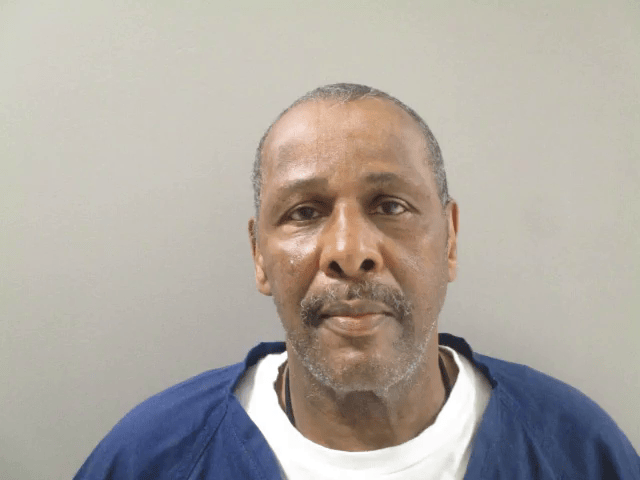
Dustin Lee Honken: The Iowa Meth Kingpin Killer
Overview
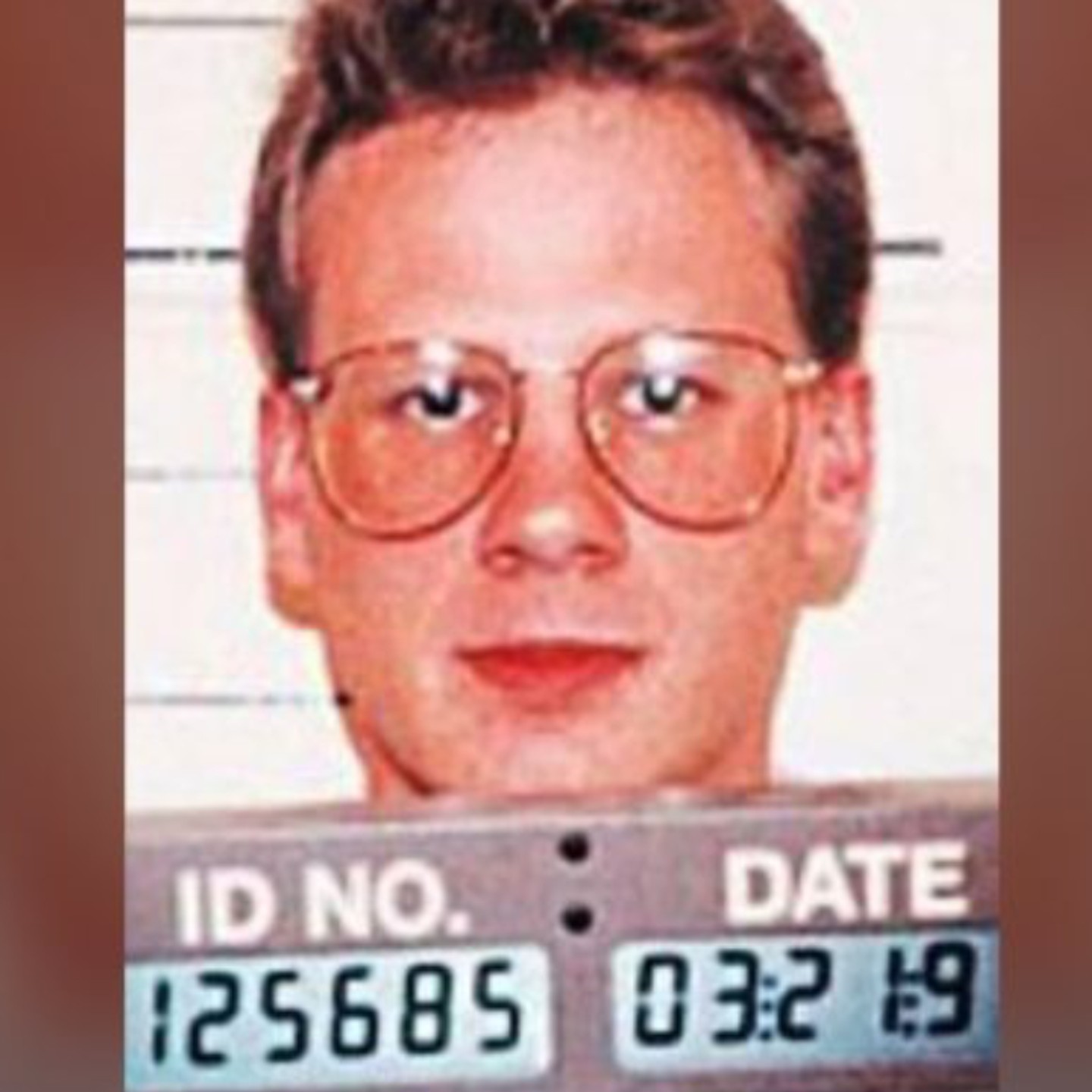
Dustin Lee Honken was a burgeoning methamphetamine kingpin who, in 1993, orchestrated the murders of five people in Iowa to prevent them from testifying against him in a federal drug case. His victims included two of his former dealers, one dealer's girlfriend, and her two young daughters, ages ten and six. For seven years, the victims were considered missing persons, and the initial drug charges against Honken were dropped for lack of evidence. The case broke in 2000 when Honken's girlfriend and accomplice, Angela Johnson, while incarcerated on separate charges, drew a map leading investigators to the victims' shallow graves. Honken was convicted of the five murders in federal court, sentenced to death, and executed by lethal injection on July 17, 2020.
Early Life and Criminal Beginnings
Dustin Lee Honken was born on March 22, 1968, in Britt, Iowa. His childhood was marked by the destructive influence of his father, an alcoholic who involved his son in criminal schemes. Despite this, Honken was a bright student who excelled in math and science and earned a scholarship to a community college with aspirations of becoming a lawyer.
However, Honken chose a different path. In 1992, using his knowledge of chemistry, he partnered with a friend, Timothy Cutkomp, and began manufacturing high-purity methamphetamine in Arizona. Honken established a distribution network in his home state of Iowa, relying on two main dealers in the Mason City area: Greg Nicholson and Terry DeGeus.
In early 1993, Honken's operation began to unravel. Law enforcement investigated Nicholson, who, after being found with a large amount of meth, agreed to cooperate and become an informant against his supplier, Honken. In March 1993, Honken was arrested and indicted on federal drug trafficking charges. Released on bond, he learned that Nicholson was the key witness against him and became determined to silence him permanently.
The Murders
The first murders occurred on July 25, 1993. Honken and his girlfriend, Angela Johnson, went to the Mason City home of Greg Nicholson. Johnson gained entry by posing as a saleswoman. Inside, they found Nicholson, his girlfriend Lori Ann Duncan, and her two daughters, Kandace, 10, and Amber, 6.
Honken and Johnson bound and gagged Nicholson and Duncan. They kidnapped the entire family, driving them to a remote, wooded area where Honken had already dug a grave. Honken first executed Nicholson and Duncan by shooting them multiple times. He then shot and killed Kandace and Amber, who were still in their swimsuits from the hot summer day, with single shots to the back of their heads. All four bodies were buried in the single grave. Lori Duncan and her daughters were innocent victims, unconnected to Honken's drug enterprise.
With Nicholson missing, federal prosecutors were forced to drop their case against Honken in March 1995. However, Honken grew concerned that his other dealer, Terry DeGeus, might also cooperate with authorities. On November 5, 1993, Johnson, who had previously been in a relationship with DeGeus, lured him to a secluded location under the pretense of wanting to reconcile. Honken was waiting. He brutally beat DeGeus with a baseball bat before shooting him to death. His body was buried in a field a few miles from the other victims.
The Victims
- Greg Nicholson, 34 — A former drug-dealing associate of Honken's who had agreed to become a federal witness. He was killed on July 25, 1993, in Mason City, Iowa.
- Lori Ann Duncan, 31 — A single working mother and Greg Nicholson's girlfriend. She was tragically killed alongside him on July 25, 1993, simply for being present during the abduction.
- Kandace Duncan, 10 — Lori Duncan's older daughter. She and her sister were murdered on July 25, 1993, after being kidnapped from their home.
- Amber Duncan, 6 — Lori Duncan's younger daughter. A statement from her family after Honken's execution noted that she and her sister never had the chance to grow up and share in life's joys.
- Terry DeGeus, 32 — Another of Honken's former dealers. Honken killed him on November 5, 1993, out of fear that he would also become a witness for the prosecution.
Investigation and Capture
For seven years, the five victims were officially missing persons, and Honken evaded justice for their murders. He was, however, arrested again on new drug charges in 1996 after setting up another meth lab. In 1997, he pleaded guilty and was sentenced to 27 years in federal prison.
The break in the murder case came in 2000. Angela Johnson, incarcerated in a county jail while facing her own federal drug charges, confided in a fellow inmate named Robert McNeese. Unbeknownst to Johnson, McNeese was a cooperating informant. Johnson provided McNeese with details of the killings and, crucially, drew a map showing the locations of the buried bodies.
McNeese turned the map over to federal investigators. In October 2000, authorities followed the map to the fields near Mason City and unearthed the remains of all five victims. The state medical examiner confirmed they had all died of gunshot wounds. With the discovery of the bodies, federal prosecutors finally had the evidence they needed. In July and August 2001, Dustin Honken and Angela Johnson were indicted on federal murder charges.
Trial and Sentence
Because the murders were committed to silence federal witnesses, Honken and Johnson were tried in federal court, which made them eligible for the death penalty even though Iowa had abolished capital punishment at the state level in 1965.
Honken and Johnson were tried separately. Honken's trial began in September 2004. The prosecution presented testimony from numerous witnesses, including inmates to whom Honken had confessed while in prison. On October 27, 2004, the jury found Honken guilty on all 17 counts, including five counts of murder in furtherance of a continuing criminal enterprise. The jury recommended life sentences for the murders of the three adults but sentenced him to death for the murders of the two children, Kandace and Amber Duncan.
In a separate trial in 2005, Angela Johnson was also convicted on multiple counts of aiding and abetting the murders. She too was sentenced to death, for her role in the deaths of Lori, Kandace, and Amber Duncan, and Terry DeGeus.
Appeals, Accomplice's Fate, and Execution
Both Honken and Johnson appealed their convictions and sentences. Honken's appeals were consistently denied through the federal court system.
Angela Johnson's case followed a different path. In March 2012, a federal judge, Mark Bennett—the same judge who presided over both trials—vacated her death sentence. He ruled that her defense team had been "alarmingly dysfunctional" and had failed to present crucial mitigating evidence regarding her mental state and troubled background. Federal prosecutors later announced they would not seek the death penalty a second time, and her sentence was formally reduced to life in prison without the possibility of parole.
After exhausting his appeals, Dustin Honken's execution was scheduled as part of the Trump administration's resumption of federal executions after a 17-year hiatus. On July 17, 2020, at the U.S. Penitentiary in Terre Haute, Indiana, 52-year-old Dustin Honken was executed by lethal injection. His final words were, "Hail Mary, Mother of God, pray for me." He was the third federal inmate executed in that week.
Aftermath and Legacy
The execution of Dustin Honken brought a final, grim chapter to a case that had haunted northern Iowa for nearly three decades. The now-retired federal judge who sentenced Honken to death, Mark Bennett, stated that while he generally opposed the death penalty, he believed if anyone deserved it, it was Honken.
In a statement following the execution, the family of Lori, Kandace, and Amber Duncan said it provided a degree of justice and closure, though they would continue to live with their profound loss. Honken's attorney maintained that his client had repented for his crimes while on death row. The case remains a stark example of witness-elimination killings and the devastating, collateral impact of the drug trade on innocent lives.