Shavonda Charleston: The Louisville Child Murders
Overview
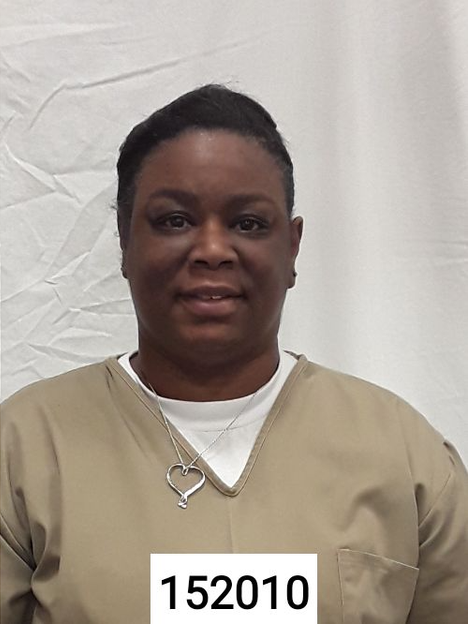
Shavonda Charleston was a Louisville, Kentucky, mother prosecuted for the deaths of her four young daughters between October 1999 and March 2000. The case began with what appeared to be the unexplained death of a two-week-old infant and developed into a major homicide investigation after Charleston's three surviving daughters were found unconscious together inside the family's public-housing apartment several months later. Investigators eventually concluded that the three older children had been deliberately suffocated, and authorities reopened the earlier infant death because of similarities they believed existed between the cases.
Charleston was 21 years old when she was indicted in June 2000. Prosecutors charged her with four counts of capital murder, accusing her of causing the deaths of all four of her daughters. She was also charged with first-degree arson and three counts of first-degree wanton endangerment in connection with a fire that had occurred in the children's bedroom only days before three of them died. In June 2001, Charleston entered an Alford plea and received a sentence that would keep her imprisoned for the rest of her life, avoiding the possibility of a death sentence.
The Death of Davonda Jones
The first death occurred on October 10, 1999. Charleston's daughter Davonda Jones was only two weeks old when she was found unresponsive in Louisville and taken to a hospital emergency room, where she died. At the time there was nothing publicly establishing the death as a homicide. Davonda's death was initially regarded as being consistent with Sudden Infant Death Syndrome, commonly known as SIDS.
For approximately five months, Davonda's death remained separate from any criminal investigation involving Charleston. That changed dramatically after three more children in the family died under highly unusual circumstances in March 2000. Investigators returned to Davonda's records and began comparing the infant's unexplained death with what had happened to her sisters. Kentucky medical authorities subsequently said Davonda's official cause and manner of death would be changed to undetermined. Her body was not exhumed, but prosecutors nevertheless included her death when Charleston was later indicted on four murder counts.
The Bedroom Fire
On March 21, 2000, five days before the deaths of Charleston's three remaining daughters, a fire occurred in the girls' bedroom. Jaquanda Smith, Danesha Jones and Dashay Jones were exposed to smoke and were taken to Kosair Children's Hospital for treatment. They survived the incident and were released.
Charleston initially described the fire as an accident involving a faulty electrical outlet. The later criminal indictment presented a very different allegation: prosecutors accused Charleston of intentionally setting the fire. That accusation resulted in one count of first-degree arson and three counts of first-degree wanton endangerment. Authorities emphasized, however, that the fire itself did not cause the children's deaths several nights later.
The Night of March 26, 2000
On March 26, Charleston was living with her children at the Iroquois Homes public housing complex on Bicknell Avenue in Louisville. The three girls were five-year-old Jaquanda Smith, two-year-old Danesha Jones and 17-month-old Dashay Jones. According to Charleston's account following the deaths, the children were sleeping in her bed because of the recent bedroom fire.
Charleston said she had been outside the apartment visiting with friends that evening. She told reporters that at approximately 10 p.m. she had a friend check on the children and was told that they appeared to be fine. Charleston said she entered the apartment herself about ten minutes later and discovered something was terribly wrong. Danesha's lips appeared blue, while Dashay and Jaquanda were lying motionless and were not breathing.
Emergency assistance was summoned, and the girls were rushed to Kosair Children's Hospital. Despite efforts to save them, all three died shortly after 11 p.m. Their deaths, occurring almost simultaneously in children who had reportedly been healthy and active, immediately created an unusual and difficult medical and investigative puzzle.
The Investigation
Initial autopsy examinations did not reveal an obvious explanation. Investigators found no evidence that the children had died from the earlier fire, and testing did not indicate that drugs were responsible. Because suffocation can leave little visible trauma, determining exactly what had happened required extensive investigation and additional medical analysis.
Louisville police detectives, fire investigators, the Jefferson County coroner's office, Kentucky medical examiners and prosecutors worked together on the case for approximately three months. Detectives reportedly devoted hundreds of investigative hours to reconstructing the children's final hours and examining the medical evidence.
By June 2000, Kentucky's chief medical examiner announced that the three sisters had died from suffocation. Authorities described the deaths as mechanical suffocation involving obstruction of the children's airways. Investigators did not publicly disclose every detail of how they believed the suffocation was carried out, explaining that some evidence needed to remain confidential while the prosecution was pending.
The finding completely changed the nature of the investigation. What had initially appeared to be three mysterious deaths was now being treated as a triple homicide. Investigators also reconsidered the death of infant Davonda Jones and concluded that the circumstances surrounding her death deserved renewed scrutiny.
Victims
- Davonda Jones — Died October 10, 1999, at approximately two weeks old in Louisville, Kentucky. She was found unresponsive and died in a hospital emergency room. Her death was initially considered consistent with SIDS. After the deaths of her three sisters, authorities reopened the case and changed the medical classification to undetermined. Charleston was subsequently charged with murdering Davonda.
- Jaquanda Smith — Died March 26, 2000, age 5, in Louisville, Kentucky. Jaquanda was found unconscious with her two younger sisters inside Charleston's apartment at the Iroquois Homes complex. She was transported to Kosair Children's Hospital and died later that night. Medical investigators determined that she had been suffocated.
- Danesha Jones — Died March 26, 2000, age 2, in Louisville, Kentucky. Danesha was discovered unresponsive in the apartment with Jaquanda and Dashay. Charleston said she noticed that the two-year-old's lips had turned blue when she entered the room. Danesha was taken to Kosair Children's Hospital but could not be saved. Her death was determined to have resulted from suffocation.
- Dashay Jones — Died March 26, 2000, age 17 months, in Louisville, Kentucky. Dashay was found motionless alongside her sisters and was rushed to Kosair Children's Hospital. She died later that evening. Medical authorities determined that Dashay, like Jaquanda and Danesha, had been suffocated.
Indictment and Arrest
On June 27, 2000, a Jefferson County grand jury indicted Shavonda Charleston in connection with all four deaths. She was charged with four counts of capital murder. Investigators accused her of suffocating the three girls who died in March and alleged that she was also responsible for Davonda's death the previous October.
The indictment additionally accused Charleston of setting the March 21 bedroom fire, resulting in one count of first-degree arson and three counts of first-degree wanton endangerment. Charleston was arrested on the afternoon of June 27 and initially held in the Jefferson County Jail on a $500,000 cash bond.
The Prosecution's Theory
Because Charleston ultimately entered a plea rather than proceeding through a full capital-murder trial, prosecutors never presented their entire case to a jury. Assistant Commonwealth's Attorney Carol Cobb later said prosecutors had been prepared to argue that Charleston had become frustrated with the responsibilities of caring for the children and wanted the freedom to pursue a more carefree lifestyle.
That explanation represented the prosecution's theory of motive rather than an independently established fact. What prosecutors considered most important was the combination of the medical findings, the extraordinary deaths of three healthy children on the same night, the earlier unexplained death of another infant in Charleston's care and the investigative evidence accumulated by police and medical authorities.
The Alford Plea
Charleston's case was potentially a death-penalty prosecution because she faced four capital murder counts. Instead of taking the case to trial, she entered an Alford plea on June 19, 2001, before Jefferson Circuit Judge Stephen Ryan.
An Alford plea allows a defendant to maintain that she is not admitting factual guilt while acknowledging that prosecutors possess enough evidence that a jury could reasonably convict her. For practical purposes, the court can enter judgment and impose punishment just as it would following another type of guilty plea.
By accepting the plea arrangement, Charleston avoided the possibility of being sentenced to death. Judge Ryan immediately imposed the agreed punishment, leaving Charleston to spend the rest of her life in prison. Prosecutors emphasized that the resolution permanently removed her from circumstances in which she could again have children in her care.
Serial and Familial Murder Classification
Charleston has appeared in compilations of female serial killers and serial child killers because authorities accused her of killing one child in October 1999 and then killing three additional children in a separate episode approximately five months later. The case is unusual in classification terms because the March 2000 deaths were simultaneous killings of three siblings, while Davonda's earlier death constituted a separate event. For that reason, the crimes can also be discussed in the context of familial child murder and multiple homicide rather than the more familiar pattern of a serial killer repeatedly attacking unrelated victims.
Legacy of the Case
The Charleston case demonstrated how the unexpected death of a very young infant can initially appear medically inexplicable and only become suspicious after later events provide new context. Davonda's death had not originally produced a murder prosecution. It was only after Jaquanda, Danesha and Dashay died together that authorities reconsidered the earlier tragedy and examined whether all four deaths formed part of the same pattern.
The investigation also showed the difficulties associated with suffocation cases. Unlike crimes involving obvious wounds, mechanical suffocation may leave comparatively subtle physical evidence. The absence of an immediately apparent cause contributed to the uncertainty surrounding the three March deaths until medical examiners completed further analysis.
Four children ultimately stood at the center of the case: Davonda Jones, Jaquanda Smith, Danesha Jones and Dashay Jones. Davonda was only two weeks old, while the oldest of the children, Jaquanda, was five. Charleston's indictment, Alford plea and life imprisonment brought the criminal prosecution to an end, but the case remains a disturbing example of multiple child deaths occurring within one family and of investigators being forced to reexamine an earlier unexplained death after three additional children died under suspicious circumstances.