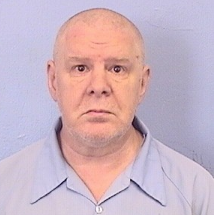
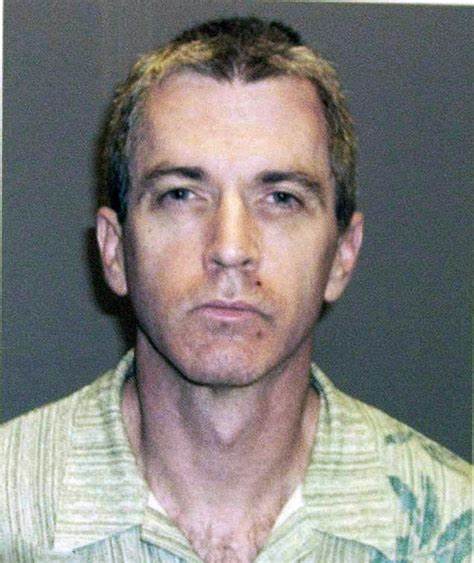
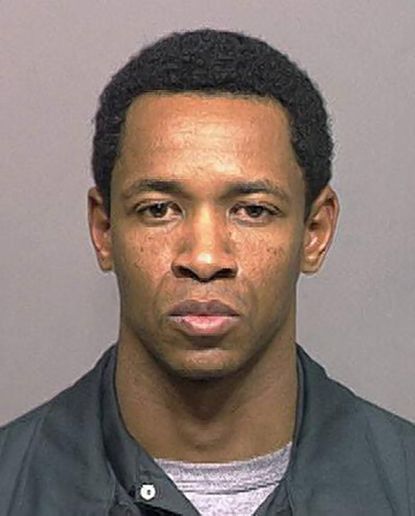
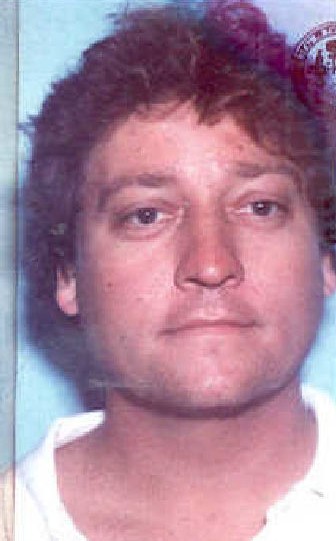
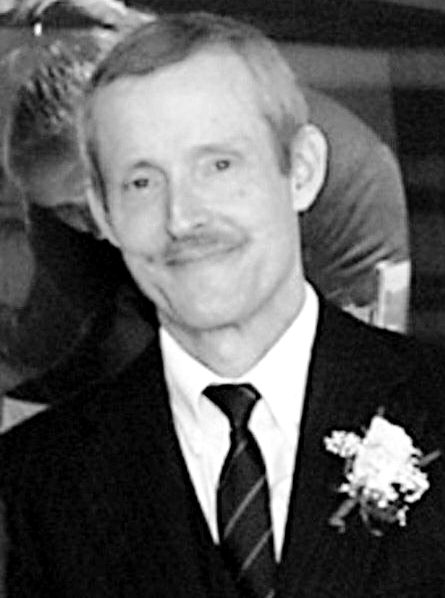
Edward Spreitzer and the Chicago Ripper Crew
Background
Edward Spreitzer was an American serial killer associated with the group commonly called the Chicago Ripper Crew. The group operated in Chicago and its surrounding suburbs during 1981 and 1982. In addition to Spreitzer, its principal members were Robin Gecht and brothers Andrew and Thomas Kokoraleis. Authorities connected the men to a series of abductions, sexual assaults, mutilations and murders distinguished by an unusual and deeply disturbing pattern of injuries.
Spreitzer was born on January 5, 1961, in Chicago, Illinois. He reportedly struggled socially and intellectually, and he became closely attached to Gecht, an older man whom prosecutors portrayed as the dominant personality within the group. Spreitzer's defense attorneys later argued that he was easily influenced and eager to gain Gecht's approval. However, courts found that Spreitzer willingly participated in multiple violent crimes and was personally responsible for acts that resulted in several deaths.
The Formation of the Ripper Crew
Gecht had previously worked in the construction industry and employed Spreitzer and the Kokoraleis brothers on roofing and repair jobs. Their relationship developed into a criminal association in which the men traveled through Chicago and nearby communities in Gecht's van, searching for vulnerable women. Some victims were abducted from streets or businesses, while others were persuaded to enter the vehicle.
The crimes attributed to the group were not committed during one continuous spree. Their known attacks occurred over approximately seventeen months, beginning with the disappearance of Linda Sutton in May 1981 and ending with several attacks in October 1982. The bodies of murdered women were left in fields, alleys, construction areas and near waterways, sometimes many miles from where they had been abducted.
Known Victims Connected to Spreitzer's Convictions
- Linda Faye Sutton — May 23, 1981 — Chicago and Villa Park, Illinois: Sutton, who was reported as being approximately 26 to 28 years old, was last seen alive in Chicago at about 11:00 p.m. on May 23, 1981. She was abducted and killed shortly afterward. Her body was discovered on June 1 in a field near a motel outside Villa Park in DuPage County. Her hands had been restrained behind her back, and an autopsy determined that she had suffered fatal stab wounds to the chest. Spreitzer was later tried and convicted of her murder and aggravated kidnapping.
- Lorraine “Lori” Borowski — May 15, 1982 — Elmhurst and Clarendon Hills, Illinois: Borowski, 21, disappeared on the morning of May 15, 1982, after arriving for work at a real-estate office in Elmhurst. She was abducted from near the office and murdered. Her badly decomposed remains were discovered on October 10, 1982, in Clarendon Hills Cemetery near Darien. Andrew and Thomas Kokoraleis were prosecuted for her murder. Although Edward Spreitzer was associated with the same group and discussed numerous killings during police questioning, he was not convicted of Borowski’s murder.
- Shui Mak — May 29, 1982 — Hanover Park and South Barrington, Illinois: Mak, 30, was last seen alive during the early morning of May 29 after leaving her brother's vehicle on Barrington Road near Hanover Park. She encountered the Ripper Crew and was abducted. Evidence and statements given to investigators indicated that she was beaten to death that night. Her skeletal remains were found on September 30, 1982, in a construction area in South Barrington. Medical examination revealed fractures to her skull and ribs. Spreitzer pleaded guilty to her murder.
- Sandra Delaware — August 27, 1982 — Chicago, Illinois: Delaware, 18, was murdered on August 27, 1982. Her body was discovered the following day along the bank of the Chicago River. She had been strangled and stabbed, and her body displayed injuries resembling those found on other victims linked to the crew. Spreitzer admitted involvement and pleaded guilty to her murder.
- Rose Marie Beck Davis — September 8, 1982 — Chicago, Illinois: Davis, 31, was killed on September 8, 1982. Her body was found in an alley in Chicago with severe injuries that closely resembled those inflicted upon Sandra Delaware. Spreitzer and Andrew Kokoraleis were prosecuted in connection with her death. Spreitzer pleaded guilty to murdering Davis as part of the case that resulted in his original life sentence.
- Rafael Tirado — October 6, 1982 — Chicago, Illinois: Tirado, 28, was standing near a public telephone with 18-year-old Alberto Rosario when shots were fired from a vehicle. Tirado was critically wounded and died at a hospital on October 6. Rosario survived. Spreitzer said he had been driving while Gecht fired the shots. Spreitzer nevertheless pleaded guilty to Tirado's murder because he had knowingly assisted in the shooting.
The Murder of Linda Sutton
The prosecution of Spreitzer for Linda Sutton's death provided one of the most detailed legal accounts of his participation in the group's crimes. Sutton disappeared from Chicago on the night of May 23, 1981. Her body was located approximately a week later in a field near a Villa Park motel. She had been handcuffed, stabbed and mutilated.
During questioning, Spreitzer gave investigators statements describing how Sutton had been forced into the van and transported to the area where she was killed. His accounts changed in certain respects, particularly concerning which other members were present, but he admitted taking part in the attack. The trial judge found him guilty of murder and aggravated kidnapping in 1986.
Spreitzer's defense did not dispute every damaging element of his statements. Instead, his attorneys attempted to establish that Gecht controlled him and directed the violence. The court concluded that Spreitzer's active participation made him legally responsible regardless of Gecht's influence.
The 1982 Murders
Following Sutton's murder, nearly a year passed before the known series resumed. During the spring and summer of 1982, women began disappearing or being discovered dead across the Chicago metropolitan area. The attacks occurred in both Cook and DuPage counties, complicating the investigation because different police departments initially handled the cases separately.
Shui Mak disappeared during the early morning of May 29, 1982. Her remains were not found until four months later. By the time she was identified, investigators had already discovered Sandra Delaware and Rose Davis. The similar injuries suffered by Delaware and Davis strengthened suspicions that the murders were connected.
The murder of Rafael Tirado differed from the attacks against the women. Tirado was shot during an apparently random drive-by attack rather than abducted. According to Spreitzer's account, Gecht directed him to slow or stop the vehicle before firing at Tirado and Rosario. Spreitzer's role as the driver made him an accomplice to the killing.
Surviving Victims and the Investigation
The investigation was aided by women who survived encounters with the crew. One survivor, Angel York, reported being forced into a van, restrained and attacked before being thrown from the vehicle alive. Although she provided police with information about her assailants, the case did not immediately lead to arrests.
A later survivor, Beverly Washington, proved especially important. On October 6, 1982, she entered Gecht's van after he approached her in Chicago. She was assaulted, seriously injured and abandoned near railroad tracks. Despite her wounds, Washington survived and gave investigators a description of Gecht and the distinctive van used during the attack.
Police arrested Gecht on October 20, 1982. Although he was initially released because authorities believed they lacked sufficient evidence to hold him, detectives continued examining the van, interviewing witnesses and investigating his associates. Gecht was arrested again in early November, and police soon took Spreitzer and the Kokoraleis brothers into custody.
Spreitzer's Confessions
After his arrest, Spreitzer gave investigators several statements describing crimes committed by the group. He implicated himself and the others in numerous attacks and provided information about the roles played by individual participants. Some of his statements contained inconsistencies, and the precise number of crimes committed by the crew was never conclusively established.
Authorities suspected that the group may have been responsible for additional disappearances and murders. Spreitzer and Andrew Kokoraleis reportedly discussed as many as seventeen killings during questioning, but prosecutors could directly prove only a smaller number. Consequently, Spreitzer's formal convictions were based on five murders rather than every death possibly associated with the group.
The statements given by Spreitzer and the Kokoraleis brothers included claims that Gecht conducted ritualistic gatherings and kept trophies from the victims. Some details were repeated by more than one suspect, while other allegations were difficult to verify independently. The confirmed evidence nevertheless demonstrated a coordinated series of abductions and killings.
Guilty Pleas and the First Sentence
In 1984, Spreitzer pleaded guilty to murdering Shui Mak, Sandra Delaware, Rose Davis and Rafael Tirado. He also entered guilty pleas to charges that included attempted murder, rape, aggravated kidnapping and sexual assault. The pleas spared prosecutors from conducting separate trials for each offense.
Spreitzer was sentenced to life imprisonment without the possibility of parole for those crimes. The punishment did not resolve the Linda Sutton case, which was prosecuted separately in DuPage County. Because Sutton's body had been found outside Chicago and because evidence connected Spreitzer directly to her kidnapping and murder, prosecutors sought an additional conviction and a death sentence.
Conviction and Death Sentence
In 1986, Spreitzer was convicted of the murder and aggravated kidnapping of Linda Sutton. During the sentencing proceedings, prosecutors emphasized the calculated nature of the kidnapping, the suffering inflicted upon Sutton and Spreitzer's participation in several additional murders. They argued that his record demonstrated a continuing danger and justified capital punishment.
Defense attorneys described Spreitzer as intellectually limited, immature and heavily influenced by Gecht. They maintained that he was a follower rather than the organizer of the group. The court accepted that Gecht may have exercised influence over Spreitzer but determined that this did not excuse Spreitzer's deliberate and repeated participation in murder.
Spreitzer received a death sentence for Sutton's murder. His conviction and sentence were reviewed through several appeals, but the Illinois Supreme Court upheld the judgment. He remained on Illinois' death row while continuing to serve the life sentences imposed for the other murders.
Commutation to Life Imprisonment
Edward Spreitzer was never executed. In January 2003, Illinois Governor George Ryan commuted the sentences of the state's death-row prisoners amid concerns about wrongful convictions and failures within the capital punishment system. Spreitzer's death sentence was converted to life imprisonment without parole.
The commutation did not overturn Spreitzer's convictions or permit his release. His existing life sentences and the commuted sentence ensured that he would remain imprisoned permanently. His codefendant Andrew Kokoraleis had already been executed by lethal injection on March 17, 1999, for the murder of Lorraine Borowski. Robin Gecht received a lengthy prison sentence for the attack on Beverly Washington, while Thomas Kokoraleis was eventually released in 2019 after completing the required portion of his sentence.
Extent of Spreitzer's Crimes
Spreitzer was convicted of five murders, but the total number of victims connected to him and the Ripper Crew remains uncertain. Investigators considered the group responsible for additional unsolved attacks because of similarities in the victims, injuries and disposal locations. However, suspicion alone was not enough to establish responsibility for every case.
The crimes were particularly difficult to investigate because the group crossed jurisdictional boundaries and varied its methods. Some victims were abducted, some were approached voluntarily and one was shot from a moving vehicle. Bodies were left in several different communities, delaying recognition that a single group might be responsible.
Spreitzer's confessions provided essential evidence, yet they also left unanswered questions. His descriptions sometimes changed, and investigators could not independently corroborate every claim. For that reason, the five murders resulting in convictions remain the clearest documented measure of his criminal responsibility.
Legacy of the Case
The Ripper Crew murders remain among the most notorious serial murder cases in Illinois history. The case involved several offenders acting together rather than a single killer working alone. It also demonstrated how a dominant personality could organize accomplices while each participant still made individual choices to assist in violent crimes.
Edward Spreitzer attempted to portray himself as a subordinate who obeyed Gecht, but his guilty pleas, confessions and conviction established that he was an active participant. He drove the group's vehicle, assisted in abductions and attacks, and took part in conduct that caused the deaths of at least five people.
The verified cases of Linda Sutton, Shui Mak, Sandra Delaware, Rose Davis and Rafael Tirado document a period of extreme violence that extended from May 1981 through October 1982. Spreitzer's arrest ended his participation in the attacks, and his convictions ultimately resulted in permanent imprisonment without the possibility of parole.