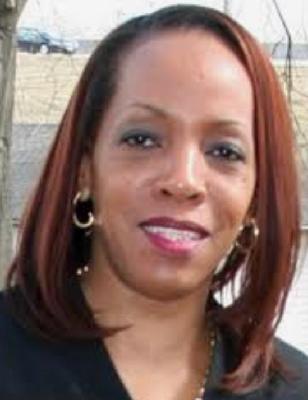
Deborah Taylor, 27, female, left home for the last time on December 11, 1987. That day, she was found in a vacant field in Kansas City, strangled to death. Public burial records list her as Deborah Diane Taylor, born October 19, 1960, and laid to rest at Quindaro Cemetery, a spare, grass-lined plot that now carries the weight of a life abbreviated.
For years the case gathered dust while the city moved on, but the evidence didn’t.
Samples preserved from the scene—minute traces left on her body and on a discarded tissue—were tested as forensic science advanced. In 2003, DNA profiling pulled a name from the past: Clifton Lee Ray Jr., a Kansas City offender with a long record, whose genetic profile matched what had been recovered in Deborah’s case. The match changed the arc of a cold file into an active homicide, recasting old reports and witness recollections under the harsh light of a scientific link.
By then Ray was already serving time for an unrelated 1994 killing. As he neared parole eligibility, prosecutors moved on the newly linked cases. A jury first convicted him in October 2007 for the 1990 murder of Joycie Flowers; authorities then pursued Deborah Taylor’s homicide with the same DNA backbone that had revived her file. Court records and contemporary accounts describe Ray’s 1987–1994 trail of violence in Kansas City and the life sentence that followed the 2007 verdicts, ensuring he would never walk free. In the official storyline that finally congealed two decades after Deborah’s death, Ray is the suspect who became the defendant and then the man imprisoned for the murders that had once seemed destined to fade.