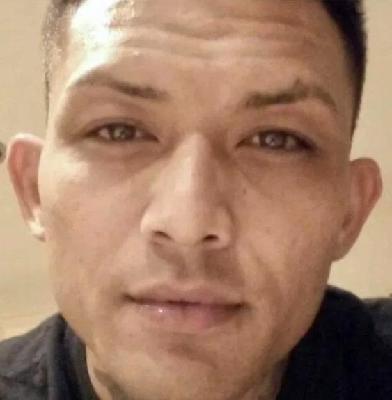
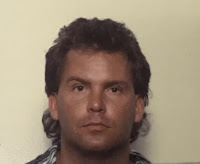
On the night of April 30, 2024, Richie Kony, 23, a Native Hawaiian man, was found lying on Linapuni Street in Honolulu’s Kalihi neighborhood after gunfire shattered the evening. Police were sent out to the area after reports of shots fired, and when they arrived they found him unresponsive with gunshot wounds to his torso. Paramedics worked him at the scene with advanced life support, then rushed him to an emergency room, but he was pronounced dead a short time later.
Investigators described the shooting as targeted rather than random, saying the person who pulled the trigger knew Kony and fled the area in an SUV-type vehicle. 
By the next day, the search tightened around a suspect. Authorities reported that the wanted man turned himself in at the Kalihi police station and was taken into custody, with police saying the arrest was tied to the killing and that the case was being handled as a second-degree murder investigation. That surrender shifted the case from a neighborhood hunt to a courtroom fight, as detectives and prosecutors began assembling what they believed happened between the two men before the shots were fired. 
Court documents later identified the suspect as Ethan Etsione Taumua, and prosecutors moved forward with a murder case and additional gun allegations. Reporting on the filings said Taumua was accused of intentionally or knowingly causing Kony’s death, and that he faced two firearm-related charges alongside the murder count. Those early charging documents laid out the state’s initial theory of responsibility while the investigation continued to firm up witness accounts and physical evidence from the scene. 
Within days, the case escalated again when a grand jury indicted Taumua in connection with the killing. The indictment was reported as including second-degree murder and two firearm offenses, and he was described as being held without bail at the Oahu Community Correctional Center. In coverage of the court stakes, it was also reported that the murder charge, if it resulted in a conviction, carried a mandatory minimum sentence of life with the possibility of parole. Public reporting located for this synopsis described the arrest, charging, and indictment, but did not provide a final court outcome such as a plea, trial verdict, or sentencing beyond those potential penalties.