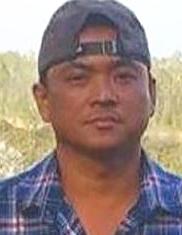
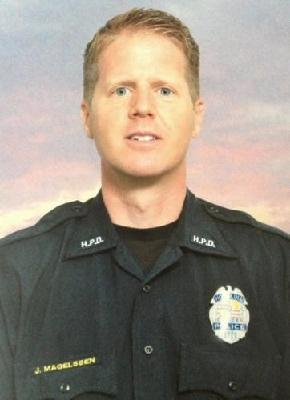
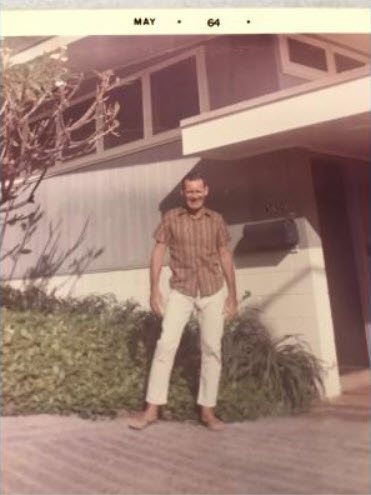
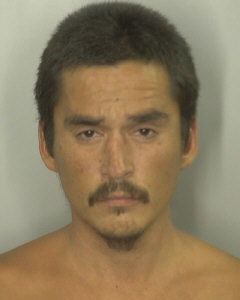
Ronald Kataoka, a 50-year-old Native Hawaiian man, was one of the seven Xerox employees killed on November 2, 1999, when a workday in Honolulu turned suddenly and irrevocably into one of the darkest mornings in Hawaii history. Contemporary reporting identified him as a longtime Xerox worker who lived in Mililani, a husband and father whose life at home was remembered as quiet, steady, and centered on family.
Neighbors and co-workers spoke of him as warm, upbeat, and gentle, the kind of person who did not invite conflict and did not seem to belong in the path of violence. His death left behind his wife and an 11-year-old daughter, and in the immediate aftermath, the picture that emerged was not only of a victim in a mass shooting, but of a family man whose ordinary routines had been shattered in an instant.
The killing happened at the Xerox facility on North Nimitz Highway during what should have been a normal morning at work. Authorities said the gunman was Byran Uyesugi, a Xerox copier repair technician and co-worker, who opened fire inside the building and killed seven men. Ronald Kataoka was among those slain in the burst of gunfire that transformed the workplace into a crime scene and sent shock through Honolulu. The suspect then fled, triggering a massive manhunt that ended only after a long standoff near the Hawaii Nature Center, where police surrounded him and negotiated by cellular phone until he surrendered peacefully that afternoon. After the surrender, police recovered a firearm from the van, and Uyesugi was taken into custody as investigators began piecing together the full scale of the attack.
In the days that followed, the case moved quickly from horror to formal criminal charges. An Oahu grand jury indicted Uyesugi on first-degree murder, seven counts of second-degree murder, and an attempted murder charge tied to another worker who narrowly escaped. Prosecutors built the case around the argument that the shootings were intentional and knowing, while the defense later tried to frame Uyesugi as mentally ill and legally insane at the time of the attack. That defense failed. In June 2000, a jury found him guilty of first-degree murder for the deaths of the seven men and guilty of attempted second-degree murder in the additional count. The verdict meant there was no mystery about whether a suspect had been identified or arrested in Ronald Kataoka's killing: there was, and he was prosecuted to conviction.
The punishment that followed closed the criminal case, even if it could not close the loss. In August 2000, Judge Marie Milks sentenced Uyesugi to life without the possibility of parole for the murders, plus a consecutive life term with the possibility of parole for the attempted murder conviction. Later reporting and court records show that his conviction was upheld, and years afterward he was still serving that life-without-parole sentence. Civil lawsuits by victims' families and surviving relatives followed, focusing on whether more could have been done to prevent the massacre, but in the criminal sense the case was resolved: the suspect was arrested the same day, indicted within a week, convicted at trial, and sentenced to spend the rest of his life in prison. For Ronald Kataoka, the public record preserves both the brutality of the way he died and the much quieter truth of how he had lived—by all accounts as a decent, beloved man whose name became part of a tragedy far larger than he ever sought.