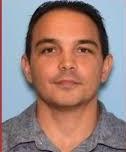
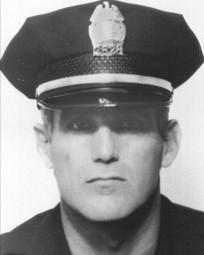
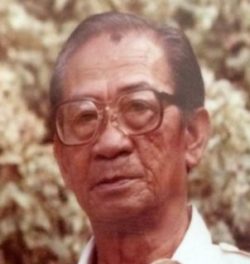
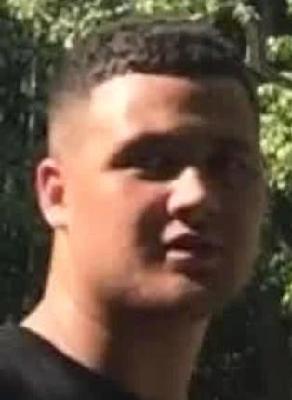
Glen Gaspar, a 40-year-old Native Hawaiian man, was a Honolulu police officer and a 12-year veteran of the department when his life ended on March 4, 2003, in Kapolei on Oahu. That day, he was part of a plainclothes Career Criminal Unit team waiting for a man wanted in connection with an earlier shooting. The officers had staked out a Baskin-Robbins at the Kapolei Shopping Center after learning the suspect might appear there.
When the man finally came in just before 1 p.m., Gaspar and the other officers moved to arrest him inside the store. What should have been a quick capture turned into a violent struggle in a cramped, ordinary place, the kind of neighborhood stop where families buy ice cream, and in a matter of seconds Gaspar was shot multiple times. He was taken to St. Francis-West Medical Center, but he did not survive. In the days that followed, accounts of his death painted the picture of a well-known local officer, a father, and a man whose killing shook fellow officers, relatives, and the wider Honolulu community.
The suspect was identified as Shane Mark, who was apprehended at the scene after the shooting. Police and prosecutors moved quickly, charging him with first-degree murder, and the case soon became one of the most closely watched criminal prosecutions in Hawaii at the time. At trial, Mark's defense argued that he did not intend to kill anyone and claimed he believed the men rushing him were not police officers but people seeking revenge for an earlier shooting, framing the gunfire as self-defense. Prosecutors, however, presented the encounter as the fatal end of an arrest attempt by plainclothes officers who had gone there specifically to take an armed fugitive into custody. The jury rejected the self-defense claim, though it did not convict on the top count. In December 2003, Mark was found guilty of second-degree murder in Gaspar's killing, along with related firearm offenses, and in a later proceeding he was also convicted on a remaining assault-related count tied to the confrontation.
The legal aftermath did not end with the verdict. In 2004, a judge imposed the harshest available penalty, sentencing Mark to life without the possibility of parole, along with another life term on a related count, and the punishment was greeted by Gaspar's family and supporters as a measure of justice for a death that had left such a deep wound. But years later, Hawaii's Intermediate Court of Appeals upheld Mark's murder conviction while setting aside that no-parole sentence, ruling that the sentence had to be revisited. Even so, the central facts of the case remained unchanged: Glen Gaspar had been killed while trying to arrest a wanted man, the suspect had been captured immediately, and the prosecution ended in a murder conviction that permanently tied Shane Mark to one of Honolulu's most painful law-enforcement killings. The case also reached beyond the shooter himself; in a separate federal matter, the man who sold Mark the gun used in the killing was later sentenced to jail time and supervised release, another reminder that the chain of events around Gaspar's death stretched further than the gunfire inside that ice cream shop.