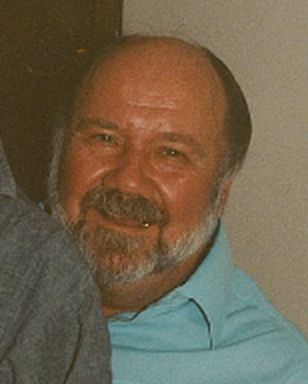
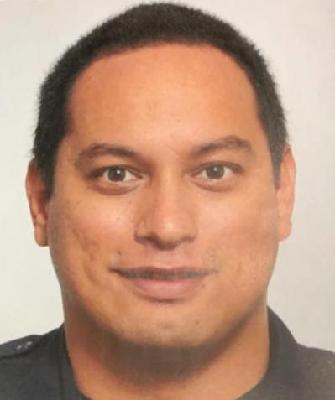
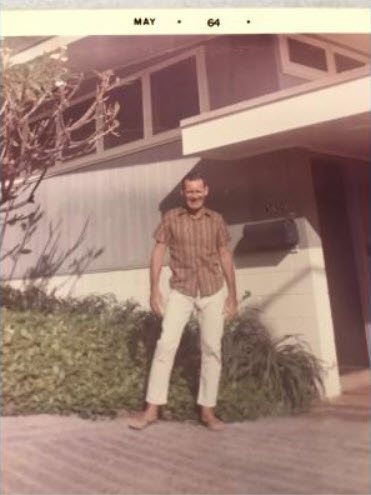
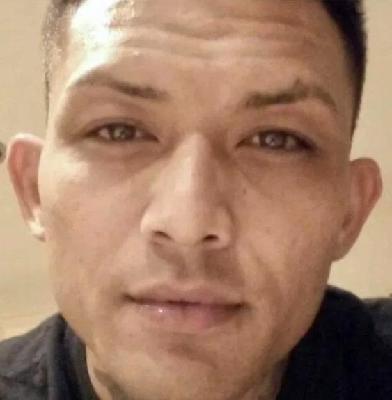
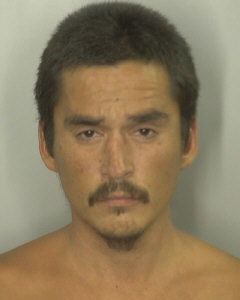
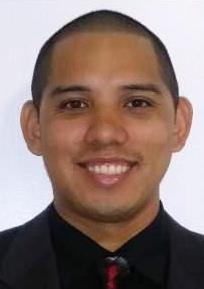
Ronald Kawamae, 54, a Native Hawaiian man from Honolulu’s Makiki neighborhood, went to work at the Xerox facility on Nimitz Highway on the morning of November 2, 1999, and never came home. In the grim reconstruction that followed, police said the violence began almost immediately after Byran K. Uyesugi entered the building and moved upstairs, where Kawamae was seated at a desk in Room 204 when he was shot and killed. The attack was part of a rapid, devastating burst of gunfire that left seven Xerox employees dead and stunned Honolulu with what was then described as the worst mass murder in modern Hawaii history. Friends, relatives, and co-workers learned Kawamae was among the dead as the city filled with sirens, news bulletins, and fear, while families clung to hope that their loved ones might somehow have escaped the bloodshed.
Investigators quickly focused on one suspect: fellow Xerox employee Byran Uyesugi, 40. Contemporary reports said he fled the scene in a company van, triggering a massive manhunt that ended near the Hawaii Nature Center in Makiki, where police surrounded him and negotiated for hours by cellular phone. By mid-afternoon, he surrendered peacefully and was taken into custody. Authorities recovered a firearm from the van, and he was arrested as the sole suspect in the killings. Early court filings and witness accounts placed him directly at the doorway from which the shots came, and police moved forward with charges that included first-degree murder for the multiple killings and attempted murder for firing at an eighth co-worker who escaped. There do not appear to be credible online reports identifying any additional suspects; the case was treated as a single-perpetrator workplace massacre centered on Uyesugi.
What followed was a long legal reckoning. Uyesugi went to trial in 2000 and argued that he was legally insane, with the defense pointing to delusions and longstanding mental illness, while prosecutors argued that however disturbed he may have been, he still knew what he was doing and carried out the attack in a controlled, deliberate way. A jury rejected the insanity defense and found him guilty. He was sentenced to life in prison without the possibility of parole for the murders, along with a consecutive life term with the possibility of parole for the attempted murder count. His conviction was later upheld by the Hawaii Supreme Court, closing off his direct appeal. In the years after the criminal case, families of the victims, including Kawamae’s survivors, were part of civil litigation alleging that warning signs had been missed before the shooting; those cases were later settled confidentially. Even so, the criminal case left no real ambiguity about who killed Ronald Kawamae: the arrest, prosecution, trial, conviction, sentence, and appellate rulings all pointed to Byran Uyesugi alone as the man responsible.