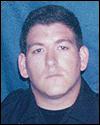
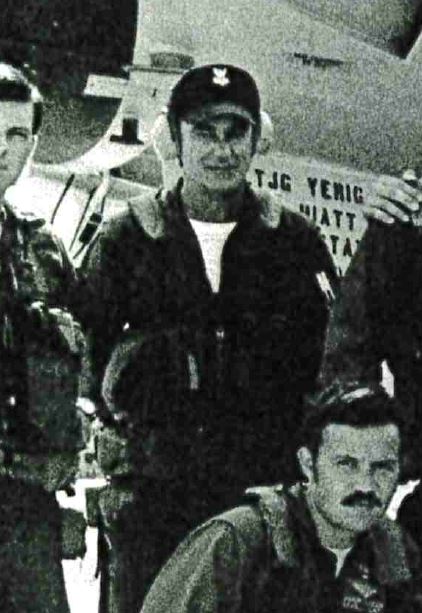
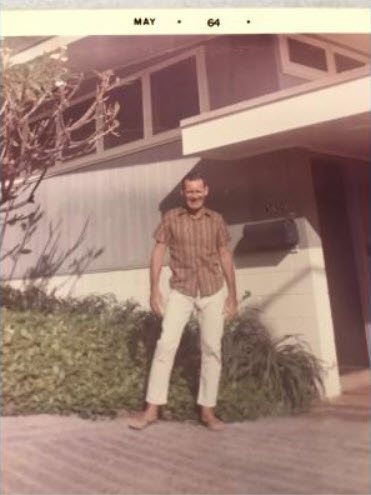
Jens David Magelssen, a 39-year-old White male and Honolulu police officer, was gravely wounded at his home in Honolulu on August 16, 2014, during what public reports consistently described as an accidental shooting. The story that emerged afterward was not one of a man found in the middle of a street crime or a hunt for an unknown killer, but of a sudden, devastating gunshot at a residence where he had been hosting a barbecue for visitors from the mainland.
A later Honolulu Civil Beat account said the gun went off while he was showing it to a friend, and obituary notices said he died from the injuries at his residence-related shooting after being taken to the hospital. The loss rippled outward through both his family and the Honolulu Police Department, which memorialized him in the days that followed.
The dates matter because the record does not support the idea that he died on August 16 itself. Online obituary notices and other memorial entries indicate that August 16, 2014 was the day of the shooting, while Magelssen died on August 18, 2014, after the injuries proved too severe. He had been born in Tacoma, Washington, and his obituaries portrayed a life that had carried him from school in Washington to work in corrections in Seattle and then into policing in Honolulu, where he served for more than six years. Those same remembrances described him in deeply personal terms: a father, a son, a brother, an athlete, and someone remembered for a broad laugh, a gentle spirit, and a devotion to the people closest to him.
As for suspects, arrests, and prosecutions, the online record points in the opposite direction of a criminal case. The reporting available publicly describes the shooting as accidental, including early references to it as self-inflicted and later reporting that the weapon accidentally discharged while he was showing it to a friend. In the material that is publicly accessible online, no suspect is named, no arrest is reported, and no criminal charges, trial, or conviction appear to have followed from his death. Instead, the case seems to have closed in public memory as a tragic accident, one later marked not by courtroom developments but by memorials, including a bench in Kapiolani Park honoring him years afterward.