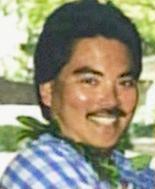
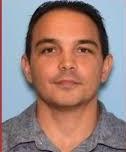
Melvin Lee, 58, a Native Hawaiian man from Waipahu, was among the seven Xerox employees killed on November 2, 1999, when a normal workday at the company’s Honolulu facility on North Nimitz Highway turned into the deadliest workplace shooting in Hawaii history. Lee had worked for Xerox for nearly three decades and was described in local reporting as a soft-spoken field manager in customer service, a man with a big heart who was nonconfrontational and nearing retirement.
He left behind his wife, Ann, and in the days after the shooting, family and co-workers were remembered publicly as people whose routines, friendships, and plans for the future had been shattered in an instant.
The man identified as the shooter was Byran Koji Uyesugi, a Xerox service technician and Lee’s co-worker. According to contemporaneous reports, Uyesugi arrived at the workplace that morning armed with a semiautomatic handgun and opened fire, killing seven co-workers and trying to shoot an eighth employee who escaped. Lee was one of the men named by the jury and the press as having been intentionally and knowingly killed in the attack. The violence did not end inside the building: after the shooting, Uyesugi fled in a company van, setting off a citywide manhunt that ended with police locating him near the Hawaii Nature Center above downtown Honolulu. There, he held officers at bay for hours before finally surrendering.
There was, in the end, no mystery about whether police made an arrest. Uyesugi was taken into custody the same day, and the case moved quickly into court. Within a week, an Oahu grand jury indicted him on a first-degree murder charge tied to the deaths of the seven victims, along with additional murder counts and an attempted second-degree murder charge connected to the co-worker who survived. Local coverage later revealed that, during the trial and related proceedings, Xerox employees testified about years of tension and alleged threats, including testimony that Melvin Lee had warned another employee to stay home from work in 1993 because Uyesugi had threatened his life. That detail cast Lee’s death in an even more haunting light, suggesting that what happened in 1999 may have grown out of fears and animosities that had been simmering long before the shooting itself.
The prosecution ended in conviction. In June 2000, a Honolulu jury found Uyesugi guilty as charged of first-degree murder in the killings, and the verdict specifically named Melvin Lee among the dead. In August 2000, the court imposed the mandatory sentence for that count: life in prison without the possibility of parole, the harshest punishment allowed under Hawaii law at the time. So, in terms of suspects and arrests, the public record points to one identified gunman, one immediate arrest after the standoff, one indictment, one trial, and one conviction. For Lee’s family, though, the legal ending could not restore what was lost. In courtroom accounts, his widow appeared among the grieving relatives who had to sit through the long retelling of the massacre, while the public learned not just the bare fact of his death, but the shape of his life: a longtime employee, a husband, an avid golfer, and a man who had been close to stepping into retirement before his story was cut short inside the place where he had spent so much of his working life.