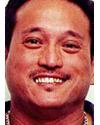
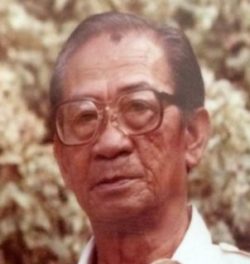
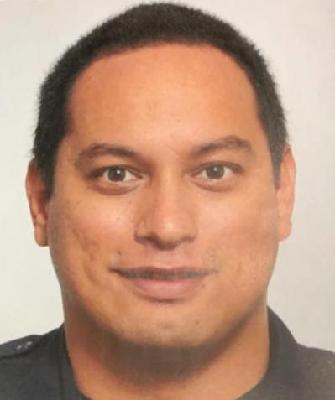
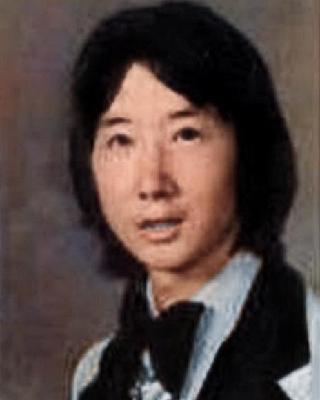
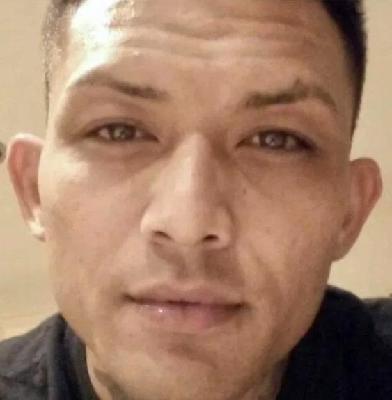
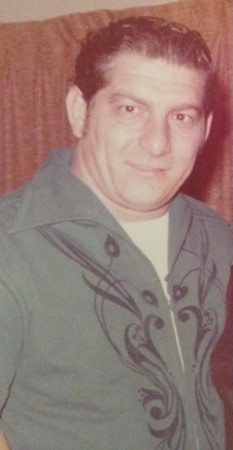
Do you know who murdered Owen? On the morning of March 21, 2005, Owen Kazutoshi Hamada, a Japanese man, age 54, from Honolulu by way of Hilo, was discovered lying lifeless on the floor of the women's restroom at Waikele Community Park in West Oahu. Park employees making their morning rounds opened the restroom and found him there, savagely beaten, in a space he had often used as a place to sleep at night. Emergency responders and police converged on the quiet neighborhood park, but he was deceased upon arrival.
He appeared to be the victim of a homicide. 
Hamada's life before that morning was rooted in both work and family. He had grown up in Hilo and later lived in Honolulu, earning his living as a construction laborer and roofing contractor, doing the kind of physically demanding jobs that helped build the island's homes and businesses. At the time of his death he was experiencing homelessness and had drifted into a routine in the Waikele area, where he was a familiar figure. Yet the obituary notices that followed described a man with deep family ties: a son, several daughters, a mother, sisters, and a large circle of grandchildren who survived him and arranged for private services after the killing. 
In the weeks and months before the attack, Hamada spent much of his time in and around the Waikele Shopping Center and the surrounding neighborhood. Residents and workers saw him regularly at various shops and eateries, and he became part of the everyday backdrop of the area. Investigators later noted that he was last seen alive on the night of March 20, 2005, at the Waikele McDonald's, a short distance from the park. From there he apparently followed his usual pattern, heading to the nearby restroom at Waikele Community Park to sleep. Sometime between that late-night sighting and the park employees' arrival the next morning, someone entered the restroom and brutally attacked him. 
The violence of the assault immediately led detectives to treat the case as a homicide. Hamada had been beaten to death, with injuries severe enough that police and later news accounts described him as “savagely” attacked. The location posed challenges: an enclosed restroom at a community park, likely quiet during the overnight hours, with no known eyewitnesses to the assault. Early in the investigation, detectives determined that Hamada's wallet was missing, raising the possibility that he had been robbed either before or after the beating. That detail became one of the few concrete clues about a potential motive, but investigators did not publicly confirm whether they believed robbery was the primary reason for the attack or whether it might have been a personal confrontation that escalated into lethal violence. 
Hamada's family quickly stepped forward, offering a reward in June 2005 for information leading to the arrest of whoever was responsible. Their appeal ran in the local press, portraying a family desperate for answers and urging anyone who knew what happened inside that park restroom to come forward. The following year, Honolulu police and CrimeStoppers issued renewed public pleas, emphasizing that Hamada had often slept in the restroom at night, that he had been beaten while he slept, and that his missing wallet might be a key to understanding the crime. Despite these efforts, tips that reached investigators did not yield a publicly known suspect, and there were no announcements of arrests or charges connected to the case. 
Over time, the murder of Owen Hamada slipped from the daily news into the realm of unsolved cases, but it never disappeared entirely. The Honolulu Police Department continues to list the killing as an open cold case, summarizing how a man who once worked construction and roofing, and who had become a familiar presence around the Waikele Shopping Center, was found beaten to death in a park restroom on an otherwise ordinary March morning. Community appeals and true-crime organizations still highlight his story, framing it as one of Honolulu's lingering mysteries: a vulnerable man attacked in his sleep, his wallet taken, his family left only with obituaries and unanswered questions, and a killer who has never been publicly identified or brought before a court.