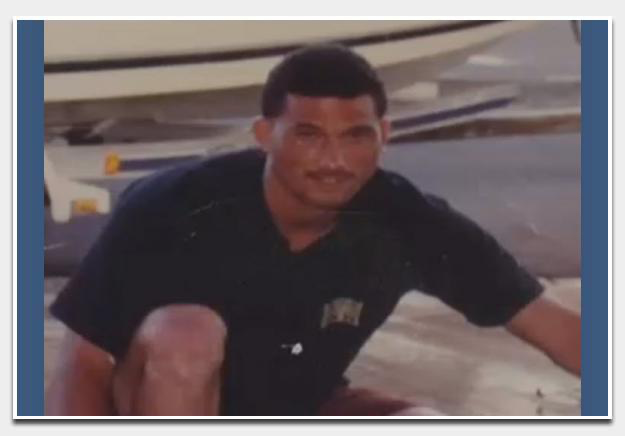
Jacob Feliciano, a 31-year-old man, was in a second-floor game room on Kapiolani Boulevard in Honolulu on the night of September 29, 2018, when what began as a grab for cash turned into a gunshot that ended his life. A small group arrived at the room together, and the moment one of them tried to take an envelope of money from the cashier, the place erupted into a physical struggle—close-quarters chaos in a cramped, late-night space where people had only seconds to decide whether to run,
fight, or freeze.
In the middle of that struggle, prosecutors alleged that Manu Sorensen pulled out a handgun and fired into the room. The bullet struck Feliciano. He was rushed for medical help, but the wound was fatal, and he died the following morning, September 30, 2018.
The investigation quickly centered on Sorensen and the attempted robbery inside the game room. Court records show that on October 4, 2018, Sorensen was indicted, including for Murder in the Second Degree, Robbery in the First Degree, and multiple firearms-related counts tied to bringing and using the gun during the robbery attempt.
Years later, the case culminated in a conviction and a heavy sentence: Sorensen was convicted of manslaughter and firearms offenses connected to Feliciano's shooting, and on January 25, 2024, he was sentenced to three consecutive 20-year terms, totaling 60 years.
But the legal story did not end neatly with that prison term. In an appellate decision dated April 30, 2025, the Intermediate Court of Appeals vacated the January 25, 2024 amended judgment and sent the case back to the trial court for further proceedings involving the handling of a confidential-informant issue, with instructions that could lead to a new trial depending on what the lower court finds and whether the state must disclose the informant's identity. The appellate court also ruled that the consecutive sentences must be vacated due to inadequate explanation for imposing each consecutive term, requiring resentencing on remand even if the conviction is reentered.