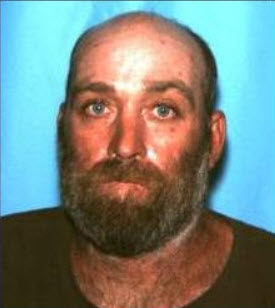
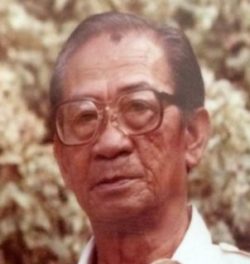
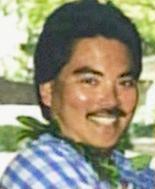
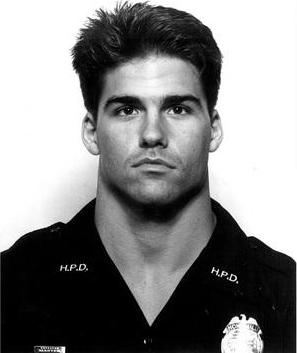
Edward Franklin Jackson, a 45 year old white man, was killed on March 23, 1975, in Honolulu, Hawaii, in a case that began with what sounded like an ordinary call for help and ended in sudden violence. That day, police were dispatched to Old Farrington Highway between Fort Weaver Road and Makakilo Drive for a reported motor-vehicle accident, only to discover that Jackson and another man, Francis Layne Labhart, were already dead, both bearing gunshot wounds.

As the first confusion settled, details emerged that made the scene feel less like a traffic mishap and more like a trap sprung at exactly the wrong moment. Investigators later learned the men had been returning to a 1972 Chevrolet Caprice that had broken down at that location earlier. Nearby sat Labhart’s vehicle as well—a yellow 1974 Pontiac Firebird with a black vinyl top—two cars now tied together by the same isolated stop and the same fatal outcome. The highway that should have been nothing more than a place to pull over became the last waypoint in their night. 
Both Jackson and Labhart were sailors stationed at Barbers Point Naval Air Station, and their deaths were treated as a homicide investigation rather than an accident gone wrong. What happened in the minutes before the shots—who approached them, what words were exchanged, whether they recognized danger in time—has not been publicly spelled out in the official summary, leaving the story with sharp, unanswered edges. 
In the years since, the case has remained in the cold-case realm, with no suspects publicly named in the official listing and no arrests described there. An online notice attributed to a family member of Labhart later claimed that there had never been any arrests or meaningful information shared with the family, underscoring how long the uncertainty has lasted. Whatever the motive—robbery, resentment, chance encounter, or something more personal—the publicly available record still ends where the officers first stood: two servicemen down by the roadside, and a killer who slipped away into the dark without a name.