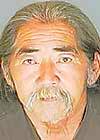
Roldan A. Agustin was a 49-year-old man who died on December 4, 2019, in Honolulu, Hawaii, after violence erupted in the middle of an ordinary workday at the Pearl Harbor Naval Shipyard. He worked there as a Department of Defense civilian employee, known on the job as a shop planner, and outside of it as a veteran who had served in the U.S. Navy and later retired from the Hawaiʻi Army National Guard.
That Wednesday afternoon, the calm at the shipyard shattered at Dry Dock 2 when gunfire rang out and workers ran for cover. Investigators said an active-duty U.S. Navy sailor opened fire, striking Agustin and another civilian employee, Vincent J. Kapoi Jr., and wounding a third civilian coworker, Roger Nakamine. Agustin and Kapoi both succumbed to their gunshot wounds that day, leaving families to begin grieving before the shock had even settled.
Authorities identified the alleged shooter as Gabriel Antonio Romero, a sailor from Texas. Accounts from officials and contemporaneous reporting described the attack as brutally fast—measured in seconds—and ending with Romero turning the weapon on himself. Because the suspected shooter died at the scene, there was no arrest, no manhunt, and no courtroom reckoning—only an investigation trying to explain why the attack happened at all.
As investigators worked to piece together Romero's movements and motives, officials publicly acknowledged how little sense the violence made. The Navy said there was no known motive and no information indicating Romero even knew the victims, deepening the anguish for loved ones who were left with questions that had no satisfying answers. In the weeks that followed, Agustin's death was marked not only in news coverage of the shipyard attack, but also in remembrances that returned him to the life he had lived beyond the headlines—a man rooted in family, work, and service, born in Laoag City in Ilocos Norte in the Philippines, and remembered by those close to him for the steadiness of his character.