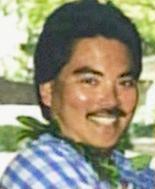
Troy Barboza, a 24-year-old White male from Honolulu, was killed on October 22, 1987, in a murder that read like a cruel act of retaliation carried out in the one place that should have been safest: his home. Barboza was a Honolulu police officer who had been working undercover in narcotics, and the official accounts say the man who killed him was someone Barboza had previously helped arrest and charge during a drug investigation. After that arrest, the suspect learned where Barboza lived.
At his apartment in the Manoa area, on Ferdinand Avenue, Barboza was shot with a shotgun while inside his residence, with later reporting describing him as being in his living room chair when the attack came. The killing was not presented as random; it was tied directly to Barboza’s police work, and that connection gave the case the feel of an execution meant to punish a young officer for doing his job.
The investigation that followed was extensive, and authorities eventually identified the killer as Anthony “Tony” Williams. Contemporary and later Hawaii reporting described Williams as a drug dealer from California who had been arrested as a result of Barboza’s undercover work. After the shooting, Williams fled to San Diego, but officials were able to get him back to Hawaii with the help of mainland undercover officers, reportedly under the pretense of arranging another drug deal. That arrest turned the case from a devastating ambush into a successful homicide prosecution. Williams was tried, convicted in 1988 for Barboza’s murder, and sentenced to life without parole. Years later, Hawaii reports still referred to him as serving that life sentence on the mainland. In the years since, Barboza’s death has remained a lasting part of Honolulu law enforcement memory, not only because he was young and newly into his career, but because his murder was seen as a direct strike against an officer who had stepped into dangerous work and paid for it with his life.