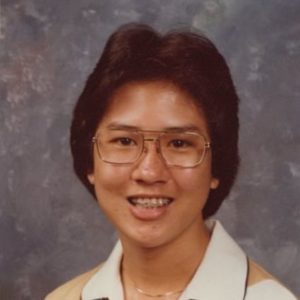
Do you know who murdered Gregory Yamada?
Gregory M. Yamada, 21, was an Asian/Pacific Islander male whose life ended in violence on September 8, 1986, on Oahu. The night unfolded away from the bright shoreline most people picture when they think of Hawaii—out near the H-1, where the freeway cuts over cane roads and dark frontage routes.
In the early morning hours, around 1:10 a.m., a driver making rounds for the Oahu Sugar Company traveled a private road beneath the H-1 corridor and came upon a shocking sight: a bloodied body left in a place where few outsiders would have reason to be. Clothing was still in place—jeans and a pullover shirt—and a sweatshirt had been loosely tied around the neck. The hands and feet had been bound, and a gag had been used, giving the scene the unmistakable feel of captivity and control rather than a random, sudden fight.
Investigators concluded that Yamada had been beaten and thrown from the freeway above, down to the canehaul road below. Early observations at the scene noted blood but no obvious external wounds, and the full story of what caused death relied on autopsy results. Those findings pointed to fatal head injuries consistent with an assault and the impact of the fall, with no drugs detected in the system. Adding to the uncertainty, no missing-person report had been filed before the discovery, leaving detectives trying to reconstruct where Yamada had been the prior day, how the victim ended up in that secluded corridor, and what set the events in motion.
Police attempted to shake loose leads immediately. In the days that followed, a roadblock was set up near the area where the body was found, stopping vehicles in both directions in hopes that someone had noticed a suspicious car, a stop along the highway, or anything out of place in the hours leading up to the killing. The effort yielded no breakthrough, and as time passed, the case cooled and slipped from public attention.
Years later, the investigation’s most haunting thread surfaced through a trail of stolen access. On the day Yamada was found, an unidentified person used Yamada’s bank card at an ATM at the Waianae branch of Honolulu Federal Savings and Loan at 6:13 p.m., about sixteen hours after the body was discovered. Police confirmed that a transaction was completed, a detail that suggested whoever used the card also had the personal identification number. That possibility pushed the case toward a robbery motive in investigators’ thinking at the time, because the theft didn’t look accidental or opportunistic—it looked prepared.
The strongest publicly described suspect remains the figure caught on surveillance during that ATM transaction. Police released still images from the bank footage in an effort to put a face to the person who held Yamada’s card after the killing, and additional images were later shared again as part of renewed outreach. The suspect in the stills appears to have dark hair and facial hair and is shown in casual clothing, but no name has been publicly attached to the person in the footage. The case continues to be presented as unsolved, with no publicly identified suspect, and no publicly reported arrest, charge, trial, or conviction connected to Yamada’s death.