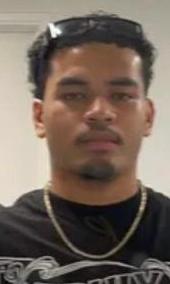
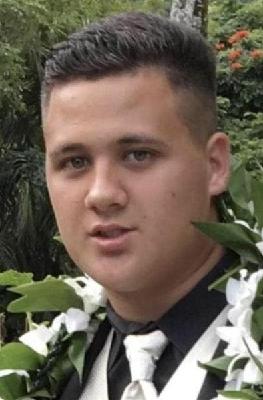
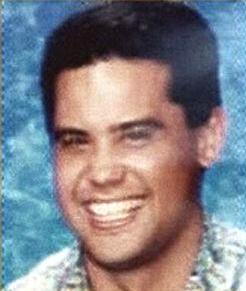
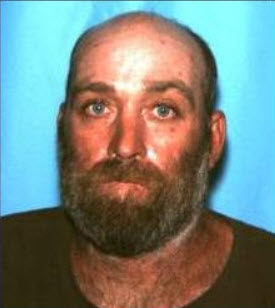
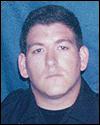
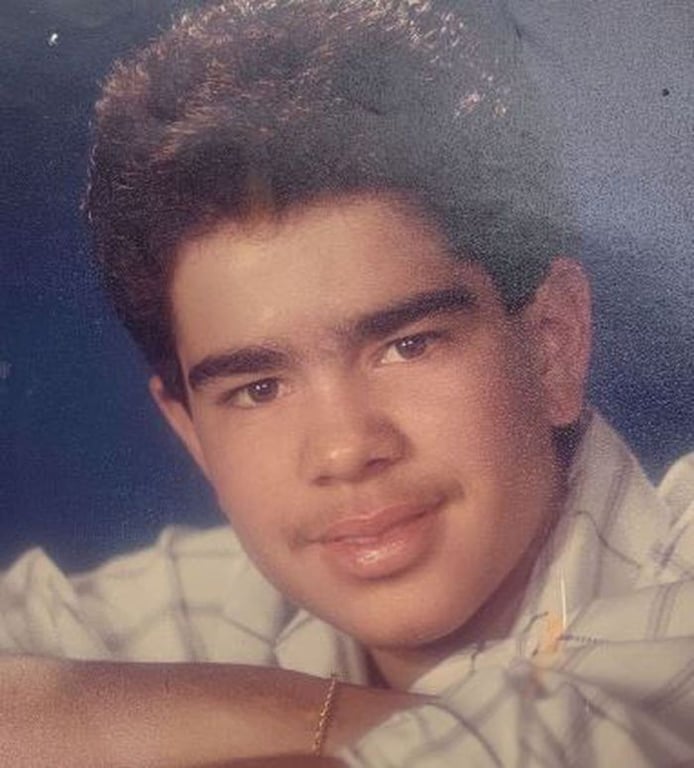
Peter Mark, 46, a Native Hawaiian man, was one of the seven Xerox employees killed in Honolulu on November 2, 1999, when the workday turned into the deadliest mass murder Hawaiʻi had ever seen. That morning, according to contemporary reports, gunman Byran Koji Uyesugi arrived at the Xerox Engineering Systems office on Nimitz Highway shortly after 8:00 a.m., went upstairs, and opened fire on co-workers. Mark was among the dead identified that same day.
In the first rush of horror, there was little public detail about him beyond his name and age, but later memorial coverage filled in the human loss behind the headline: he lived in Hawaiʻi Kai, had worked at Xerox for 19 years, was a husband and father of two young children, and was remembered by relatives as gentle, devoted to his family, and happiest when he could come home from work or be near the ocean he loved. His ashes were later scattered at Maunalua Bay Beach Park, where hundreds gathered under tradewinds to mourn him and tell stories about the kind of man he had been.
There was no mystery about whether police had a suspect. Investigators quickly identified Uyesugi, a 40-year-old Xerox employee, as the lone gunman. After the shooting, he fled in a company van, triggering a massive manhunt that ended near the Hawaiʻi Nature Center in Makiki, where police surrounded him for hours before he surrendered around 3:00 p.m. the same day. Reports at the time also noted that he was the registered owner of 17 guns, including the 9mm handgun believed to have been used in the killings, and that he had previously been arrested in 1994 for criminal property damage at work after an argument with co-workers. No credible reporting I found identified additional suspects in Peter Mark's death; the case was treated as part of the single Xerox massacre carried out by Uyesugi alone.
The case moved swiftly through the courts. A grand jury indicted Uyesugi on one count of first-degree murder for the shooting deaths of seven people, along with seven counts of second-degree murder and one count of attempted second-degree murder tied to another worker who escaped. At trial, he pleaded not guilty by reason of insanity, but the jury rejected that defense and found him guilty as charged in June 2000. Later reporting and court records show that the conviction was upheld and that he received a life sentence without the possibility of parole. So in Peter Mark's case, the answer on arrests and accountability is clear: the killer was arrested the day of the massacre, charged, tried, convicted, and imprisoned, while Mark's family and the families of the other victims were left to carry the far quieter aftermath of that morning for years afterward.