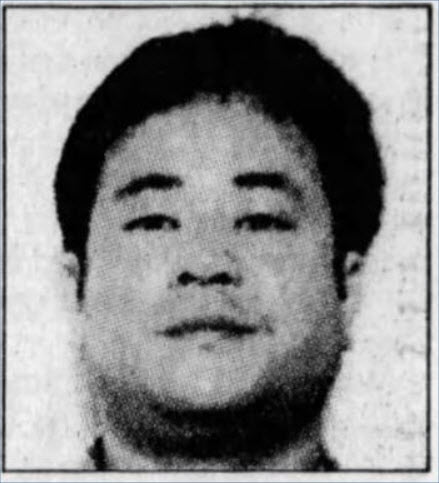
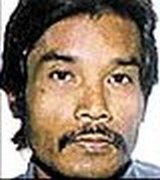
David Ronk, a 44-year-old white male Honolulu police officer, was killed on June 15, 1987, after what began as a routine act of service turned into a violent struggle inside a home in the Maili-Waianae area of Oahu. According to official accounts and later court records, Ronk had gone to the residence to serve a temporary restraining order, and the confrontation grew out of an effort that had already stretched over two days.
The day before, officers had tried to serve Clyde Pinero at the house, but he slipped away before they could reach him. When they returned the next morning, officers took positions around the home while Ronk went to the front and spoke with Pinero's mother, who said her son was not there. After getting permission to look inside, Ronk searched the house, moving from closet to bedroom until he found Pinero hiding. What followed was sudden and close-quarters: a struggle broke out, Pinero got control of Ronk's service revolver, and Ronk was shot. He was airlifted to The Queen's Medical Center, but he died later that morning from the wound.
The case did not end at the scene. Pinero was immediately subdued by the other officers in the house, handcuffed, and placed under arrest. Prosecutors charged him with first-degree murder in the killing of a peace officer arising from official duties, and with possession of a firearm by a person previously convicted of certain crimes. The legal fight that followed was long and complicated. An initial conviction was later thrown out by the Hawaii Supreme Court because of serious trial errors, including faulty jury instructions and other prejudicial problems, forcing a new trial. A second trial ended with a hung jury on the murder charge, though Pinero was convicted on the firearm count. A third trial finally resulted in a renewed first-degree murder conviction, and that judgment was upheld on appeal in 1993. Contemporary and later archival reports describe Pinero as the first person convicted under Hawaii's then-new law making the murder of a police officer punishable by life without parole. In the years since, the killing has remained part of Honolulu law-enforcement memory not only because of its brutality, but because it grew out of a domestic court order service that turned, within moments, into a fatal encounter inside an ordinary home.