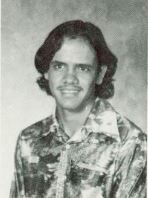
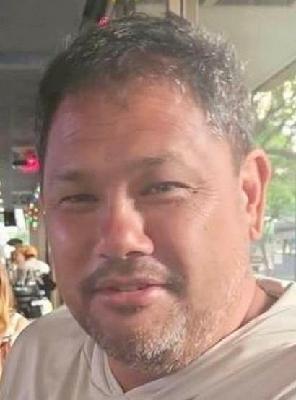
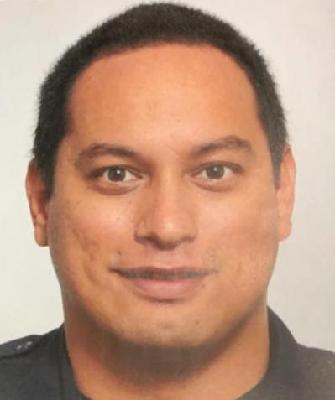
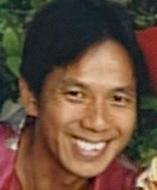
John Keiji Sakamoto, a 36-year-old man from Honolulu, was one of the seven Xerox employees killed on November 2, 1999, when a routine workday turned into one of Hawaiʻi's darkest mornings. He had gone to the company's Nimitz Highway facility and, like the others gathered there, never came home. Later accounts from his family painted him not as a headline or a casualty count, but as a devoted husband and father, a man who loved the ocean and fishing, and someone whose world had narrowed in the
best way around the people waiting for him at home. His funeral drew a heavy outpouring of grief, with friends, relatives, and community members filling the church to remember a life that had been ordinary in all the ways that matter and suddenly, violently interrupted.
His death occurred during the mass shooting at the Xerox building in Honolulu, where authorities said co-worker Byran Koji Uyesugi opened fire during the morning, killing seven men and firing at an eighth who escaped. Investigators said the attack unfolded inside the workplace and ended only after Uyesugi fled the scene in a company van, setting off a tense manhunt that carried into the hills above downtown Honolulu. He was eventually located near the Hawaiʻi Nature Center, where he sat armed in the van through a long standoff before surrendering to police that afternoon. In the hours after the shooting, what had begun as confusion hardened into the terrible clarity of names, and John Sakamoto's became one of the seven the city would repeat in mourning.
There was an arrest in the case, and there was never lasting public doubt about the identity of the gunman. Uyesugi was taken into custody the same day, later indicted by a grand jury, and prosecuted for the murders and the attempted killing of the surviving co-worker. Reporting at the time also noted earlier warning signs in his history, including a prior arrest connected to an angry workplace incident and his status as a registered owner of numerous firearms. At trial, the defense argued that he was legally insane, while prosecutors contended that the shooting was deliberate and calculated. The jury rejected the insanity defense and found him guilty. He was sentenced to life without the possibility of parole for the murders, plus a consecutive life term with the possibility of parole for the attempted murder count. Hawaiʻi's highest court later upheld the conviction on appeal, closing the criminal case even as the pain of it remained open for the families.
For John Sakamoto's family, the legal ending could not restore the life that had been taken. In court, his widow spoke directly to Uyesugi with raw anger and heartbreak, making plain that the crime had not only killed her husband but shattered the future they were supposed to have with their children. In the years that followed, the victims' families also pursued civil action against Xerox and the hospital involved in evaluating Uyesugi, arguing that warning signs had been missed before the massacre. Those cases eventually ended in a confidential settlement. But the lasting image attached to John Sakamoto in the public record is not only of how he died. It is of a husband, a father, and an avid fisherman whose name was carried through church services, courtrooms, and anniversary remembrances as Honolulu tried to make sense of a morning that changed seven families forever.