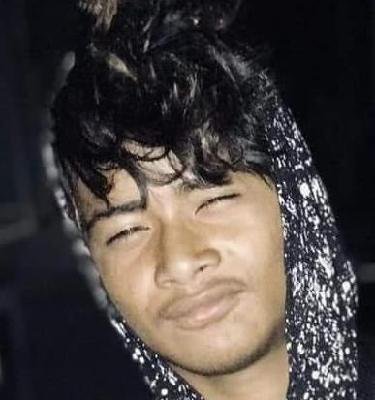
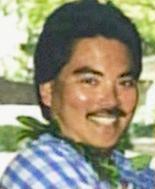
Jason Balatico, 33, was a man from Honolulu who had built a life around work, family, and the kind of easy warmth people remembered immediately after he was gone. Accounts published after his death described him as a Honolulu native who had played baseball at Farrington High School, loved practical jokes, and was known by co-workers as a warm, loving person.
He was married, the father of a son and a daughter, and had worked for Xerox for about eight years when his life was cut short on November 2, 1999, inside the company's Nimitz Highway facility in Honolulu.
That morning turned into the deadliest mass shooting in Hawai‘i history. According to police accounts and contemporaneous reporting, Byran Uyesugi, a fellow Xerox employee, arrived at the building shortly after 8:00 a.m. and opened fire on workers on the second floor. A witness later told police that Jason Balatico tried to get out of the room when the shooting erupted, but he was hit, began bleeding, and fell. A police timeline reported that Ronald Kawamae was shot first in that room and that Balatico was then shot and killed as he tried to flee. In all, seven Xerox employees were killed. After the attack, Uyesugi fled in a company van, leading to a massive manhunt that ended near the Hawai‘i Nature Center in Makiki, where he surrendered to police around 3:00 p.m. after a lengthy standoff.
There was no mystery about who the suspect was once the day unfolded. Uyesugi was identified immediately as the gunman, arrested after his surrender, and then formally charged. Within a week, an Oahu grand jury returned a first-degree murder indictment tied to the deaths of Balatico and the six other victims, along with an attempted murder charge for another employee who escaped. The case moved through a closely watched trial, where the defense argued mental illness, but in June 2000 the jury found Uyesugi guilty of first-degree murder and attempted second-degree murder, finding that he had caused the deaths intentionally and knowingly. In August 2000, he was sentenced to life in prison without the possibility of parole, the harshest sentence allowed under Hawai‘i law, and the Hawai‘i Supreme Court later upheld the conviction. Years afterward, the families of the victims, including Balatico's relatives, were part of civil litigation that ended in a confidential settlement, one more chapter in a case that left behind not only headlines, but families forced to measure time by what was taken from them that morning.