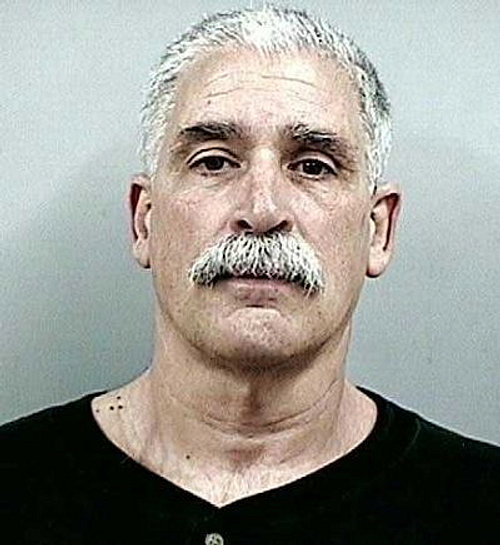
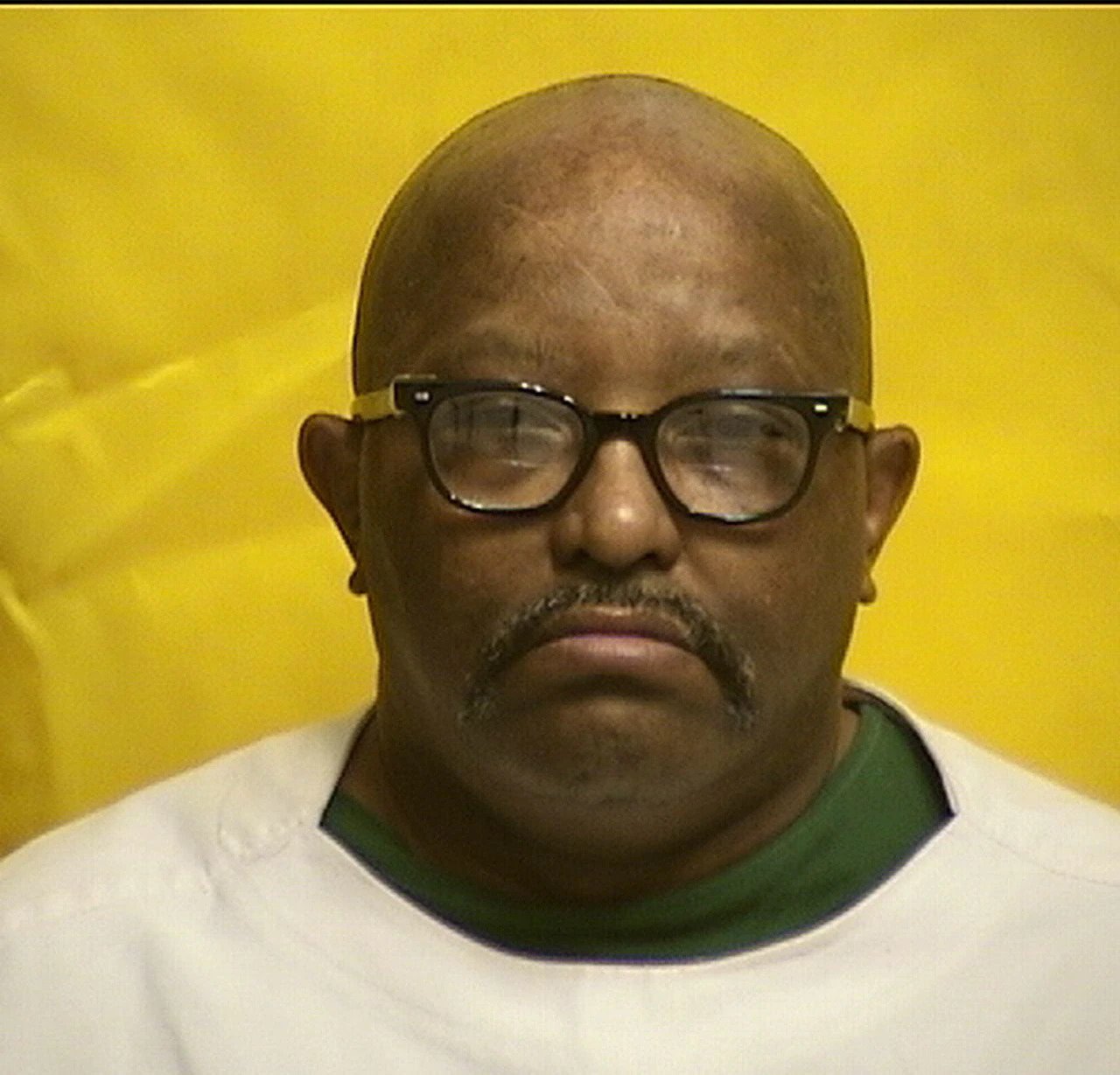
Cleophus Prince Jr.: The Clairemont Killer
Overview
Cleophus Prince Jr., known as the “Clairemont Killer,” was convicted of murdering six women in San Diego, California, during a nine-month period in 1990. Most of the killings occurred in or near the Clairemont neighborhood, where Prince lived after leaving the United States Navy. His victims were attacked inside their homes, usually during daylight hours, and were repeatedly stabbed with knives taken from their own kitchens.
The murders caused widespread fear throughout San Diego because the killer appeared able to enter occupied residences without attracting attention. Investigators found that Prince frequently watched women near swimming pools, beaches and fitness centers before following them home. Several women later testified that he approached their doors or attempted to enter shortly after they began preparing to shower.
Prince was ultimately convicted of six counts of first-degree murder, five burglaries connected to the killings, one rape, six attempted burglaries, nine additional burglaries and perjury. A jury found that he used a knife in every murder and that one killing occurred during the commission of a rape. He was sentenced to death in 1993.
Background and Arrival in San Diego
Cleophus Prince Jr. was born on July 24, 1967, in Birmingham, Alabama. He joined the United States Navy and was stationed in the San Diego area. In 1989, he was court-martialed for larceny and recommended for discharge after serving a brief military sentence.
In December 1989, Prince and his girlfriend moved into the Buena Vista Gardens apartment complex in Clairemont. The complex was located beside or directly across from the residences of the first three women murdered during the following four months. Prince generally worked afternoon or evening shifts, leaving him free during the late morning and early afternoon, when most of the attacks occurred.
Pattern of the Murders
Prince selected women who were alone in their apartments or houses. He frequently encountered potential victims while they were sunbathing, exercising or returning from fitness facilities. He then followed them to their residences or waited near their doors. In many incidents, he knocked, tried the handle or used a false explanation when confronted.
The murder scenes shared several distinctive characteristics. There was usually little or no evidence of forced entry. The victims were found inside their homes, often partially undressed or preparing to bathe. Kitchen knives belonging to the victims were used in several attacks. The wounds were deep, closely grouped and concentrated around the chest and breast area. Some victims had defensive injuries showing that they struggled with their attacker.
Investigators also found patterned blood impressions resembling a honeycomb or crosshatch design at several scenes. The markings were eventually associated with textured work gloves like those discovered among Prince’s belongings. Jewelry was taken from multiple victims, and witnesses later saw Prince or his girlfriend possessing some of the stolen rings.
Confirmed Victims
- Tiffany Paige Schultz, 21 — January 12, 1990 — Canyon Ridge Apartments, Clairemont, San Diego: Schultz was seen sunbathing in the doorway of her second-floor apartment at approximately 10:00 a.m. A manager later encountered Prince near the building after he asked for a clothes hanger, supposedly to unlock his vehicle. Instead of walking toward the street, he moved toward the apartments. Neighbors heard violent noises and running water coming from Schultz’s residence. Her roommate later found her body in a bedroom. Schultz had suffered at least 47 stab wounds, including concentrated wounds to her chest. There was no sign of forced entry. Her live-in boyfriend was initially arrested but released after several days.
- Janene Marie Weinhold, 21 — February 16, 1990 — Buena Vista Gardens Apartments, Clairemont, San Diego: Weinhold was a University of California, San Diego student who shared an apartment with a roommate. After taking her roommate to work, she returned home to do laundry and homework. A neighbor saw Prince sitting on the stairs leading to Weinhold’s apartment shortly before loud noises were heard. Weinhold’s roommate found her body that evening. She had been raped and stabbed at least 22 times in the upper chest. A bloodstained kitchen knife with a bent tip was recovered from the sink. DNA testing of biological evidence strongly linked Prince to the rape and murder.
- Holly Suzanne Tarr, 18 — April 3, 1990 — Buena Vista Gardens Apartments, Clairemont, San Diego: Tarr was a Michigan resident visiting her brother during spring break. After playing tennis and spending time at the apartment complex pool, she returned to the apartment alone to shower. Her friend arrived minutes later, heard a possible scream and discovered that the door was locked and chained. After a maintenance worker forced entry, a man with his face covered ran from a bedroom carrying a knife. Tarr was found alive but mortally wounded. She died from a seven-inch-deep stab wound that penetrated her heart. A bloodstained knife from the apartment was recovered outside, and a shoe impression was consistent with Prince’s athletic shoes. Tarr’s opal ring was later found in the possession of Prince’s girlfriend, who said Prince had given it to her.
- Elissa Naomi Keller, 38 — May 20, 1990 — Trojan Avenue, East San Diego: Keller lived with her 18-year-old daughter near the Top of the Hill apartment complex, where Prince had recently moved. Keller spoke with her daughter by telephone late on May 20 but failed to report for work the next morning. Her daughter discovered her body inside their apartment on the night of May 21. Keller had suffered nine deep, tightly grouped stab wounds to her chest, as well as defensive injuries. Evidence indicated that she may also have been struck and strangled. Her gold nugget ring was missing, and Prince was later seen wearing it. The ring was eventually traced back to him during the investigation.
- Pamela Gail Clark, 42 — September 13, 1990 — University City, San Diego: Clark was a massage therapist who regularly attended the Family Fitness Center on Miramar Road. She went to the center on the morning of September 13 and returned home while her daughter Amber was still inside. Pamela failed to attend an 11:00 a.m. appointment, and a colleague later found her body near the entrance of the house. She had suffered 11 deep, closely grouped stab wounds to her upper chest. Her purse had been emptied of money, and her wedding ring was missing. Two people who later lived with Prince testified that they had seen him possessing the ring.
- Amber Clark, 18 — September 13, 1990 — University City, San Diego: Amber was Pamela Clark’s daughter and also belonged to the Miramar Road fitness center. A neighbor heard Amber speaking or arguing with a man inside the house at approximately 10:00 a.m. and heard her call out in fear. Amber’s body was found partly in a hallway and partly inside a bedroom. Her clothing had been pulled down, and she had suffered 11 deep, tightly clustered stab wounds to her upper chest. Shoe impressions and material on a door handle connected the scene to Prince and the type of work he performed.
Attempted Intrusions and Surviving Witnesses
In addition to the six murders, Prince committed a succession of burglaries and attempted home invasions. These incidents revealed how he selected and approached women. On March 25, 1990, Anna Cotalessa-Ritchie noticed Prince watching her as she returned to her Buena Vista Gardens apartment. He followed her to the stairs and pretended to tie shoes that were already tied. She managed to enter and lock her door.
On April 25, Prince followed Stephanie Squires near the swimming pool at the Torrey Pines Village apartments. After Squires returned home to shower, a neighbor saw a man approach her apartment. Three days later, Squires’s roommate, Sarah Canfield, heard someone knocking and moving the door handle while she was inside wearing a bathing suit. She looked outside and recognized Prince. Witnesses recorded the license plate of the automobile he used, which was registered in his name.
On May 2, 1990, Prince followed Leslie Hughes-Webb from a beach to a residence at La Jolla Shores. When she found him standing near the back door, he claimed that he had rented the house in the past. After she entered, Prince returned and forced the door open. Hughes-Webb struggled with him, pushed him into a nightstand and escaped while screaming. She later identified Prince as her attacker.
Several later burglaries involved women Prince apparently followed from the Family Fitness Center on Miramar Road. He frequently arrived at their homes while they were showering or preparing to shower. These incidents supported the prosecution’s argument that he systematically stalked women and waited until they were isolated and vulnerable.
The Investigation
San Diego police initially investigated the murders separately, but the similarities became increasingly difficult to ignore. The first three victims lived in adjoining or neighboring apartment complexes. Each was a young woman attacked during the day inside her residence, and each suffered concentrated stab wounds to the chest.
The killing of Holly Tarr was particularly important because witnesses saw the attacker fleeing from the apartment. Police circulated a composite drawing based on their descriptions. Investigators also learned that Prince had signed the Buena Vista Gardens exercise-room log shortly before Tarr was attacked.
The Clark murders intensified what became one of the largest manhunts in San Diego Police Department history. Investigators examined connections between the victims, health clubs and apartment complexes. They discovered that Prince had access to the Miramar Road fitness center and had repeatedly followed women from recreational facilities to their homes.
Physical and circumstantial evidence accumulated. DNA connected Prince to Janene Weinhold’s rape and murder. Witnesses placed him near several crime scenes. Shoe impressions were consistent with shoes he owned. Patterned blood marks corresponded with textured work gloves found in his girlfriend’s residence. Jewelry belonging to Holly Tarr, Elissa Keller and Pamela Clark was traced to Prince or people close to him.
Identification and Arrest
Prince came under increased scrutiny after another attempted intrusion in February 1991. A woman who had returned from a fitness center heard someone trying to enter her home while she was preparing to shower. She fled and obtained assistance from a neighbor, who confronted Prince. Prince claimed that he was searching for a female friend who had entered the residence, but the witnesses recorded his license plate and later identified him.
Police connected the vehicle to Prince and began examining his movements, possessions and associations. By then, Prince had traveled to Birmingham, Alabama, where members of his family lived. On March 3, 1991, Birmingham police persuaded him to report to a precinct station by telling him that additional paperwork was required in connection with an unrelated matter. Prince arrived with his mother and was taken into custody.
Prince resisted extradition but was eventually returned to California. Investigators searched residences connected to him and recovered evidence, including Holly Tarr’s opal ring. Additional witnesses described jewelry he had possessed or attempted to sell. Former roommates and acquaintances also recounted incriminating statements in which Prince discussed stalking women, entering apartments and taking property.
Trial and Conviction
Prince’s trial began in San Diego County Superior Court. Prosecutors presented DNA evidence, eyewitness identifications, stolen jewelry, shoe impressions, patterned blood evidence and testimony regarding Prince’s movements near the victims’ residences. They also introduced evidence of his attempted burglaries to demonstrate his method of following women and entering their homes while they were bathing or undressing.
The defense argued that witnesses had mistakenly identified Prince and presented alibi claims. His attorneys also challenged the strength of the evidence connecting him to some of the murders. The jury rejected those arguments.
On July 13, 1993, Prince was found guilty of all six murders and numerous related offenses. The jury convicted him of the rape of Janene Weinhold, five burglaries associated with the murder scenes, six attempted burglaries, nine other completed burglaries and perjury. Jurors also found true the multiple-murder and rape-murder special circumstances, making him eligible for the death penalty.
On November 5, 1993, the court formally sentenced Cleophus Prince Jr. to death. His conviction and sentence were automatically appealed to the Supreme Court of California. On April 30, 2007, the court affirmed the judgment in its entirety, rejecting claims involving publicity, venue, identification evidence, trial procedure and the sufficiency of the evidence.
Impact of the Crimes
The Clairemont murders deeply affected San Diego residents. Women living alone were warned to secure doors and windows, avoid predictable routines and remain alert when returning from health clubs or swimming pools. The attacks were especially frightening because they occurred in ordinary residential neighborhoods during daylight hours.
The case also demonstrated the importance of connecting attempted burglaries with seemingly separate homicides. Prince’s surviving targets provided investigators with descriptions of his appearance, automobile and stalking behavior. Their testimony helped establish that the murders were part of a larger pattern rather than isolated attacks.
Cleophus Prince’s crimes ended with six confirmed victims, but evidence showed that he approached or attempted to enter the homes of numerous other women. The intervention of witnesses, locked doors and the resistance of intended victims prevented additional attacks. His eventual conviction resulted from the combined weight of forensic evidence, eyewitness testimony, stolen property and the distinctive pattern connecting his crimes.