Angelo Howard: The Cincinnati Murder Cases
Background
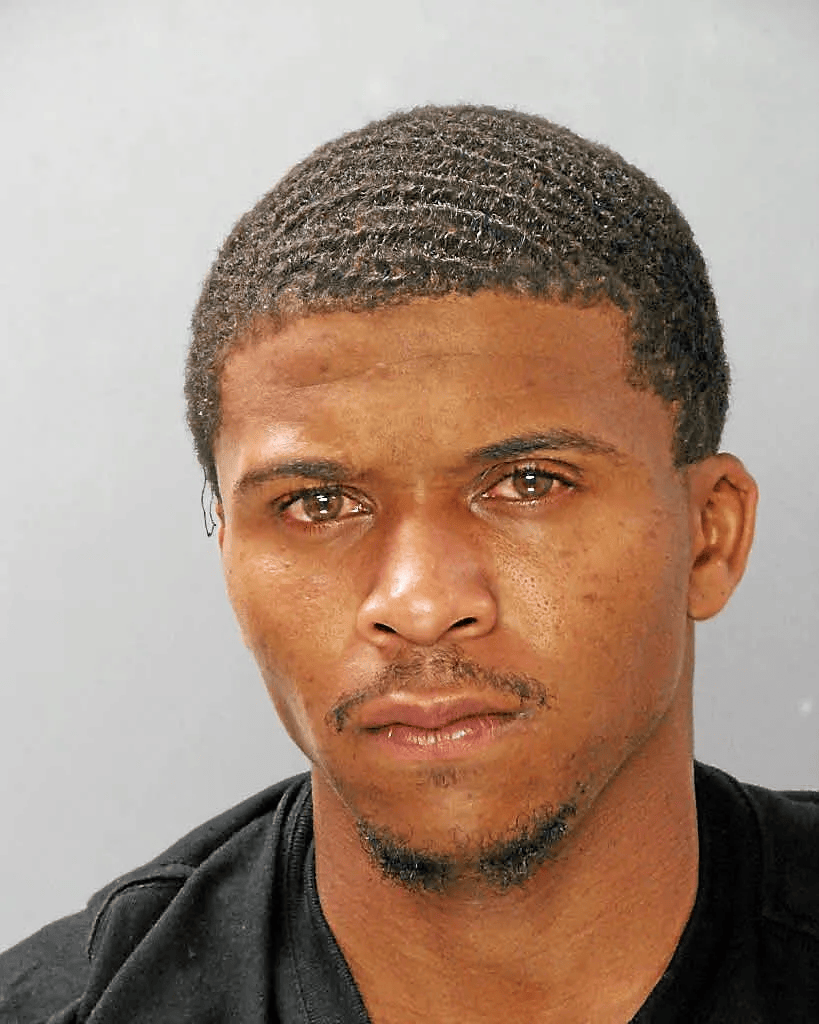
Angelo Howard was a Cincinnati, Ohio, man whom prosecutors once publicly described as a serial killer and the leader of a violent group that targeted drug dealers. The crimes connected to his case occurred during 2002 and involved robbery, kidnapping, assault, torture, and homicide. Prosecutors claimed that Howard and several associates robbed people of marijuana, other drugs, and money, then sold what they had taken for profit.
Howard was not arrested for the homicide cases until 2008, approximately six years after the killings. He was indicted in connection with the deaths of four men: Kevin Johnson, Keith Redding, Gino Booker, and Tim Canady. The four deaths occurred on three separate dates in Cincinnati. At his 2010 trial, prosecutors presented Howard as the organizer of a group responsible for a prolonged period of violence. Much of the prosecution’s case depended on testimony from criminal associates and alleged accomplices who received or hoped to receive reduced sentences.
Victims and Verified Dates
- Kevin Johnson — August 28, 2002 — Cincinnati, Ohio: Prosecutors alleged that Johnson was shot and killed during a robbery carried out by a group of armed men. Howard was charged in connection with the homicide, but the jury acquitted him of the offenses involving Johnson.
- Keith Redding — August 28, 2002 — Cincinnati, Ohio: Redding, a friend of Johnson, was allegedly abducted and tortured in the basement of a Cincinnati residence so that he would reveal the location of Johnson’s drug supply. He was then killed. Howard was initially convicted in connection with Redding’s death, but an appellate court later reversed that conviction because the evidence was legally insufficient.
- Gino Booker — October 16, 2002 — Walters Avenue, Walnut Hills, Cincinnati, Ohio: Booker was shot during an afternoon confrontation involving a bag of marijuana. Howard was convicted of Booker’s murder at trial. In February 2026, however, that murder conviction was resolved through a plea agreement under which Howard pleaded guilty to the lesser offense of voluntary manslaughter.
- Tim Canady — December 14, 2002 — Clifton area, Cincinnati, Ohio: Canady was taken from his girlfriend’s home by masked and armed intruders, beaten, restrained with handcuffs, and transported in his own vehicle. After marijuana was taken from another apartment, Canady was shot in the back of the head. Howard was convicted of his murder in 2010, but the conviction was later challenged by recanted testimony and claims that another man admitted firing the fatal shots. In February 2026, Howard pleaded guilty to felonious assault against Canady rather than murder.
The Deaths of Kevin Johnson and Keith Redding
The first two deaths occurred on August 28, 2002. According to the prosecution’s account, a group of at least five men attempted to rob Kevin Johnson. Johnson was shot and killed during the confrontation. The same group allegedly seized Keith Redding, who was believed to know where Johnson kept drugs or money.
Prosecutors said Redding was taken to the basement of a residence and subjected to a prolonged assault. He was allegedly tortured until he revealed information about Johnson’s drug supply. Redding was then killed. Several men implicated in the incident later cooperated with investigators and received substantially reduced punishments. Their testimony formed an important part of the case against Howard.
The legal results were different for the two victims. Howard was acquitted of killing Johnson. Although he was convicted in connection with Redding’s death, an appeals court later overturned that conviction after concluding that the evidence was insufficient. These outcomes became important because they weakened the prosecution’s original portrayal of Howard as personally responsible for four murders.
The Killing of Gino Booker
Gino Booker was killed at approximately 4:30 p.m. on October 16, 2002, near a housing complex on Walters Avenue in Cincinnati’s Walnut Hills neighborhood. According to testimony presented at Howard’s trial, Booker approached Howard and another man while attempting to purchase marijuana. Booker reportedly rejected the price he was offered and displayed a bag of marijuana that he already possessed.
The prosecution alleged that Howard took the bag to inspect it and then refused to return it. When Booker attempted to recover the marijuana, a firearm was displayed. Two shots were fired, and Booker was struck once. He died from the gunshot injury while the men involved fled the area.
Howard was convicted of aggravated murder and related offenses in Booker’s death. Years later, the reliability of that conviction came under serious scrutiny. A witness shown a photographic lineup had not selected Howard as the shooter. Investigators also recovered fingerprints from objects at the scene, including a print on the magazine of the firearm used in the shooting. That print did not belong to Howard and was eventually matched to another man.
Howard’s attorneys argued that important evidence involving the fingerprints and witness identification had not been properly disclosed before trial. The discovery of this material contributed to years of appeals and requests for a new trial. In February 2026, the murder conviction was replaced through a negotiated plea. Howard admitted voluntary manslaughter in connection with Booker’s death, a lesser offense than aggravated murder.
The Abduction and Death of Tim Canady
Tim Canady was killed during the early hours of December 14, 2002. According to the case presented at trial, several masked and armed men entered the home of Canady’s girlfriend while Canady and other occupants were sleeping. The intruders pulled Canady from the bedroom, restrained the other residents with electrical cords, and demanded to know where Canady kept his marijuana.
Canady was beaten and placed in handcuffs. The other occupants were confined in the basement while the intruders removed Canady from the house and placed him in his vehicle. The group then drove to an apartment in Cincinnati’s Clifton area where Canady reportedly stored marijuana.
Two of the intruders entered the apartment building and confronted a woman as she was leaving for work. She was forced back inside at gunpoint and ordered to reveal where the drugs were kept. After directing the men to a duffel bag containing marijuana, she was bound with an extension cord and left inside the apartment.
According to the original prosecution theory, Howard returned to Canady’s vehicle with the marijuana and shot the handcuffed victim twice in the back of the head. Howard was convicted of aggravated murder and aggravated robbery. The conviction later became controversial when Andre Thomas, one of the men involved in the case, stated that Howard had not been present and claimed that he himself had shot Canady.
Thomas said that he had originally implicated Howard after being instructed by another associate about what to tell investigators. Prosecutors disputed the reliability of his later account. Physical evidence that might have been subjected to modern forensic testing, including cartridge casings, handcuffs, clothing, and cigarette butts, was no longer available because much of the evidence had been destroyed.
Trial, Convictions, and Sentence
Howard went to trial in 2010. The prosecution combined the four homicide cases into one proceeding and argued that the deaths were connected by a common criminal operation. A jury convicted Howard in the deaths of Booker, Canady, and Redding but acquitted him in the death of Johnson. He received an aggregate sentence of 148 years to life in prison.
On appeal, the conviction connected to Keith Redding was reversed. The convictions involving Gino Booker and Tim Canady initially remained in place, reducing Howard’s effective sentence to 108 years to life. Howard continued to challenge those convictions through the courts, arguing that witnesses had lied, evidence had been withheld, and physical evidence had been destroyed before it could be independently tested.
Problems With the Prosecution’s Evidence
The cases depended heavily on testimony from people who were themselves accused of crimes. Several witnesses received favorable plea agreements or reductions in possible prison time. Defense attorneys argued that these benefits gave the witnesses powerful reasons to provide investigators with the version of events prosecutors wanted.
In the Booker investigation, police records showed that one witness selected someone other than Howard from a photographic lineup. Fingerprints recovered from the scene also pointed away from Howard. One print found on the magazine of the murder weapon was not matched through a federal fingerprint system until January 2020. It belonged to another person who knew Booker and had a prior homicide-related conviction, although that person denied involvement in Booker’s death.
The Canady case was further weakened by Andre Thomas’s changed account. Thomas first gave police information implicating Howard, but at trial he testified that Howard was not involved. He later provided a sworn statement claiming that he, rather than Howard, had shot Canady. Questions surrounding this testimony remained unresolved for years.
The 2026 Plea Agreement and Release
On February 23, 2026, Howard entered a plea agreement that ended the remaining murder litigation. He pleaded guilty to voluntary manslaughter in connection with Gino Booker’s death and to felonious assault against Tim Canady. The agreement did not leave Howard convicted as the murderer of Canady, and his earlier convictions involving Johnson and Redding were no longer valid.
A judge sentenced Howard to the approximately eighteen years he had already served in custody, allowing him to be released. The outcome represented a major change from the original sentence of more than a century to life in prison.
Was Angelo Howard a Serial Killer?
Prosecutors repeatedly called Howard a serial killer, but that description is now legally and factually disputed. He was originally accused of four homicides, yet he was acquitted in one case, had another conviction reversed for insufficient evidence, and ultimately resolved the remaining cases by pleading guilty to voluntary manslaughter and felonious assault rather than multiple murders.
The verified record therefore requires careful wording. Howard was once convicted of several killings and was portrayed as the leader of a violent robbery group. However, the original murder case substantially unraveled because of appellate rulings, disputed informant testimony, undisclosed fingerprint evidence, a witness who did not identify him, the destruction of physical evidence, and another participant’s alleged confession. By 2026, Howard’s surviving homicide conviction was for voluntary manslaughter in the death of Gino Booker, not for a series of serial murders.