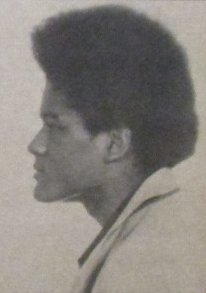
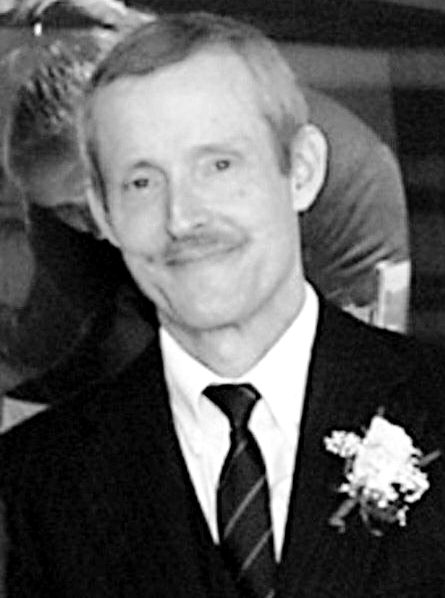
Melvin Davis Rees Jr.: The Maryland and Virginia Serial Killer
Background
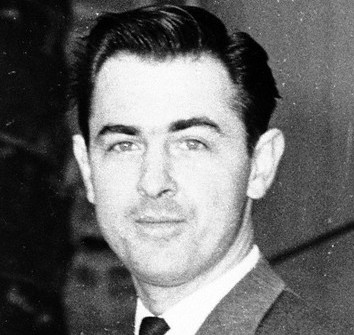
Melvin Davis Rees Jr., whose middle name is sometimes reported as David, was an American serial killer responsible for five confirmed murders in Maryland and Virginia between 1957 and 1959. A talented musician who performed in jazz groups around Washington, D.C., Rees appeared capable of maintaining an ordinary public life while privately developing violent and sexually sadistic fixations. His known victims included a young woman attacked beside a rural highway and an entire family abducted while returning home from a visit with relatives.
Rees attended the University of Maryland for a time and became known as a skilled pianist, saxophonist, clarinetist and vibraphone player. He worked as a traveling salesman and performed in nightclubs and restaurants. Beneath that respectable appearance, however, investigators later discovered writings and altered photographs depicting women restrained, beaten and killed. These materials revealed a disturbing preoccupation with domination and violence that closely resembled the crimes for which he was eventually convicted.
The Murder of Margaret Harold
On June 26, 1957, Margaret Harold was riding near Annapolis, Maryland, with her boyfriend, Army Sergeant Roy Hudson. Rees used his vehicle to force their car off a rural road. Armed with a nickel-plated .38-caliber revolver, he approached the couple and demanded cigarettes and money. When they did not satisfy him, Rees fired through the car window, striking Harold in the face and killing her.
Hudson escaped from the vehicle and ran across fields until he reached a farmhouse where he could call for help. When authorities returned to the car, they found that Harold’s body had been removed from the vehicle and sexually assaulted. Hudson supplied investigators with a description of the gunman, but Rees was not identified at that time. The killing remained unsolved for approximately three years.
Investigators searching the surrounding area located an abandoned structure containing violent images and photographs of deceased women. Among the material was a photograph connected to a woman who had once known Rees, although detectives did not immediately understand its significance. Only after Rees became a suspect in the Jackson family murders did the evidence from the Harold case begin to point toward him.
The Abduction of the Jackson Family
On the evening of January 11, 1959, Carroll Vernon Jackson Jr., his wife, Mildred Ann Jackson, and their two daughters, Susan and Janet, were traveling home after visiting relatives near Apple Grove in Louisa County, Virginia. Their car was later found abandoned on a dark rural road near Bumpass. There were no immediate signs explaining why the family had left the vehicle, and an extensive search failed to locate them.
Evidence presented in court established that Rees stopped the Jacksons at approximately 10:00 p.m. and forced all four members of the family into his car. Earlier that evening, he had attempted to stop another vehicle occupied by a couple and two children, but that driver escaped by steering across a roadside ditch. The Jackson family encountered Rees shortly afterward and was unable to get away.
Rees drove the family to a wooded area near Fredericksburg, Virginia. Carroll Jackson was severely beaten with the butt of Rees’s .38 Colt Cobra revolver and then shot in the head. The impact was so forceful that the plastic grips broke away from the handgun. Those pieces were later recovered near the bodies and became important physical evidence linking Rees’s weapon to the crime.
Janet Jackson, who was only 18 months old, suffered an injury from a blunt object. She was left in the wooded area beside her father and died from suffocation and exposure. Rees concealed Carroll and Janet beneath branches before leaving Virginia with Mildred and five-year-old Susan still in his custody.
Rees transported Mildred and Susan across state lines to an abandoned house near Gambrills in Anne Arundel County, Maryland. A button from Mildred’s clothing was later discovered inside the building. Mildred was brutally beaten around the face and head and died after inhaling blood into her lungs. A stocking had also been tied tightly around her neck. Susan was killed by a severe blow to the back of her head. Rees buried Mildred and Susan in the sandy ground near the abandoned house.
Discovery of the Victims
Carroll and Janet Jackson were found on March 4, 1959, nearly two months after the family disappeared. The recovery site was in a wooded area near Fredericksburg. Investigators found Carroll’s eyeglasses and broken pieces of a pistol grip nearby. Firearms specialists later determined that one of those pieces had previously been attached to the Colt Cobra revolver owned by Rees.
The bodies of Mildred and Susan Jackson were discovered near Gambrills, Maryland, on March 21, 1959. The fact that the family had been abducted in Virginia and that two victims had been transported into Maryland brought federal authorities into the investigation. Detectives also began comparing the Jackson murders with the earlier highway murder of Margaret Harold.
Confirmed Victims
- Margaret Harold — Killed on June 26, 1957, near Annapolis in Anne Arundel County, Maryland. Rees forced the car in which she was riding off the road, shot her and assaulted her body after her boyfriend escaped.
- Carroll Vernon Jackson Jr., 29 — Killed on January 11, 1959, in a wooded area near Fredericksburg, Virginia. He was beaten with a revolver and shot in the head after his family was abducted from a rural road.
- Janet Jackson, 18 months — Killed on January 11, 1959, near Fredericksburg, Virginia. She suffered a blunt-force injury and died from suffocation and exposure after being left in the woods.
- Mildred Ann Jackson, 27 — Killed during the night of January 11–12, 1959, near Gambrills in Anne Arundel County, Maryland. She was kidnapped in Virginia, transported across state lines and fatally beaten.
- Susan Ann Jackson, 5 — Killed during the night of January 11–12, 1959, near Gambrills in Anne Arundel County, Maryland. She died from a severe blow to the back of her head after being abducted with her family.
The Investigation and Identification of Rees
A man who had known Rees eventually contacted authorities and suggested that investigators examine him as a suspect. He recalled that Rees had expressed disturbing opinions about murder shortly before the Jackson family disappeared. When authorities attempted to find Rees, they learned that he had left the Washington area without providing a forwarding address.
Investigators discovered that Rees had attended the University of Maryland and had once dated a woman whose photograph had been found during the investigation of Margaret Harold’s murder. The connection strengthened suspicions that the 1957 and 1959 crimes were committed by the same man. Rees’s familiarity with the Annapolis and Gambrills areas also helped explain how he knew about the secluded abandoned building where Mildred and Susan were taken.
The investigation eventually led the FBI to West Memphis, Arkansas, where Rees was working in a music store. Federal agents arrested him on June 24, 1960. On the same day, agents searched his parents’ house in Hyattsville, Maryland, with their permission. Hidden in a crawl space was a locked accordion case bearing another man’s name.
Inside the case, agents found Rees’s .38 Colt Cobra revolver and a collection of violent material. Most significantly, they discovered a handwritten description of the Jackson family’s kidnapping and murders. The account contained details that had not been published publicly and was accompanied by newspaper photographs that Rees had altered with drawings. The discovery demonstrated knowledge that investigators believed only the killer could possess.
Ballistics and firearms examination connected the revolver to the Jackson murder scene. The broken grips found near Carroll and Janet’s bodies matched the type of grips that had been attached to Rees’s handgun. Rees also admitted that the revolver belonged to him. Sergeant Roy Hudson later identified Rees as the man who had attacked him and killed Margaret Harold in 1957.
Trials and Sentences
Because the Jackson family had been abducted in Virginia and two victims were transported into Maryland, Rees faced proceedings in federal and state courts. In federal court, he was convicted of kidnapping Mildred and Susan Jackson and transporting them across state lines. The jury did not recommend the death penalty, and he received life sentences.
Maryland prosecuted Rees for the murder of Margaret Harold. Hudson’s eyewitness identification, the similarities between the crimes and the physical evidence contributed to the case against him. Rees was convicted of Harold’s murder and sentenced to life imprisonment.
Virginia authorities prosecuted him for the Jackson murders committed within that state. Rees was convicted and sentenced to death. His conviction was upheld during appeals, but legal proceedings became complicated when questions arose about his mental condition and his ability to communicate rationally with his attorneys. The death sentence was eventually reduced to life imprisonment.
Suspected Additional Murders
Rees was convicted in connection with five deaths, but investigators suspected that his actual number of victims may have been higher. Several unsolved murders of young women in the Maryland and Washington metropolitan area were examined for possible connections to him. Reports also claimed that he made statements implicating himself in additional killings. However, the available evidence was not sufficient to produce further murder convictions, and those deaths should not be treated as confirmed Rees victims.
The cases attributed to him shared recurring features: isolated roads, forced stops, abductions, the use of a .38-caliber firearm and extreme violence directed at women and children. His writings further suggested that his crimes were driven by fantasies involving control, humiliation and sexual sadism rather than robbery or personal disputes with the victims.
Death and Legacy
Rees remained incarcerated for the rest of his life and died in federal custody in 1995. His crimes became one of the most notorious series of murders in the Washington, Maryland and Virginia region during the 1950s. The abduction of the Jackson family was particularly alarming because the victims were selected while completing an ordinary drive home and apparently had no previous connection to their killer.
The case was solved through the combination of eyewitness testimony, firearms evidence, interstate cooperation and the discovery of Rees’s own writings. The broken pistol grips found beside the Jackson victims connected the crime scene to his revolver, while the handwritten account hidden in his parents’ home revealed his intimate knowledge of the murders. These discoveries ended the search for the man responsible for five confirmed deaths and exposed the violent private life concealed behind Rees’s public identity as a musician.