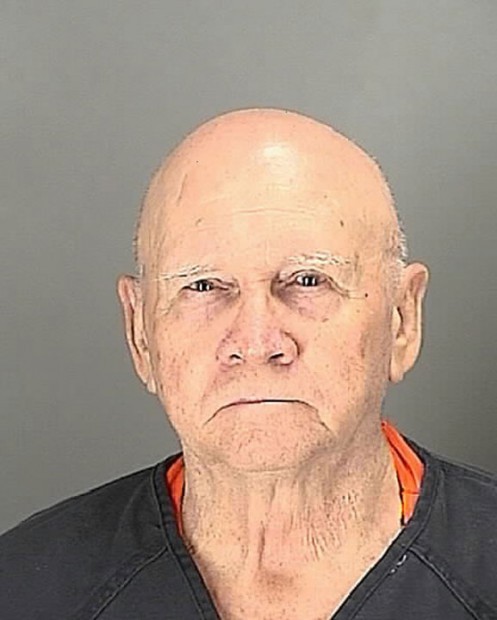
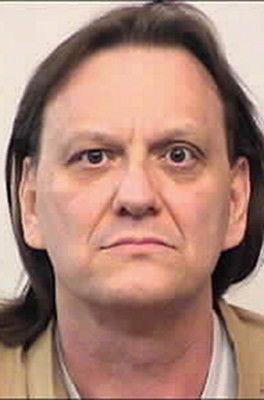
Abron Scott: The Tampa Bay Spree Killer
Overview
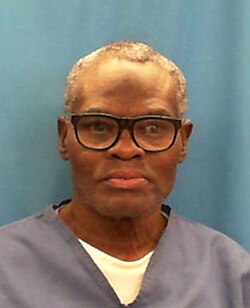
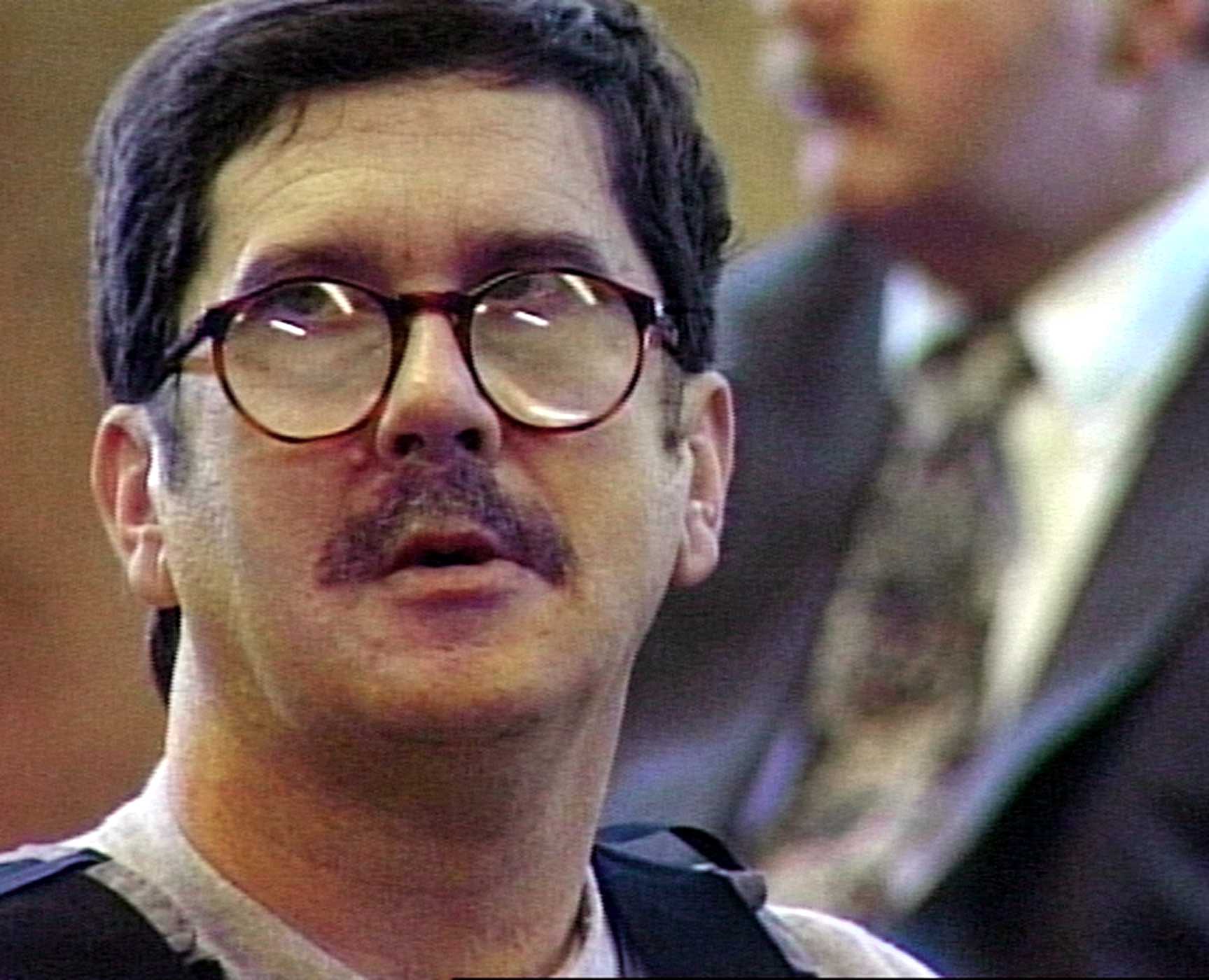
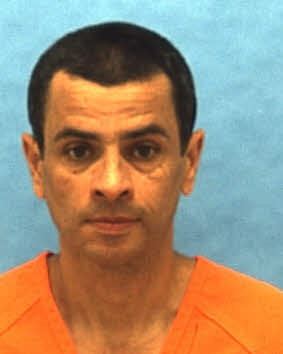
Abron Scott Jr., along with his accomplice Amos Earl Robinson, conducted a brutal spree of rape, robbery, and murder across the Tampa Bay area of Florida in the summer and fall of 1983. At just 18 years old, Scott participated in the murders of at least three people, his crimes characterized by their randomness and extreme violence. For decades, only one of their murders was officially solved, a crime for which both men were sentenced to life in prison. The full scope of their violence remained hidden until a breakthrough in DNA technology nearly 40 years later. This new evidence not only linked Scott and Robinson to two cold-case murders but also exonerated an innocent man, Robert DuBoise, who had spent 37 years in prison for one of their crimes. In 2024, Scott pleaded guilty to these decades-old murders, finally bringing a measure of truth to the families of his victims.
Early Life and Background
Abron Scott Jr. was born on April 20, 1965, in West Tampa, Florida. Information about his early life is limited but court testimony from his initial trial paints a grim picture of a troubled youth. His father testified that Scott came from a broken home. His oldest brother added that their mother was an alcoholic, and that Scott was eventually removed from her care and placed in foster homes by the court. He reportedly ran away from these placements on multiple occasions. A brother-in-law cared for him for a period during his teens. Testimony also indicated that Scott had a temper, particularly when he was abusing drugs. A court-appointed psychologist who interviewed Scott during his first murder trial testified that he had a "mental age of five and one-half years" despite being 18, and that his judgment was impaired by drug and alcohol use at the time of the offense.
The 1983 Murder Spree
The wave of terror began in July 1983. The first known victim of Scott and Robinson was Linda Toni Lansen, 41. On the night of July 10, Lansen, a freelance photographer, left her Tampa apartment and was never seen alive again. The next morning, a jogger discovered her body in a ditch along a dead-end road in Town 'n' Country. She had been raped and shot multiple times in the head with a small-caliber gun. Her car was found parked on a residential street miles away, and her purse was later recovered by a roadside in Clearwater.
Just over a month later, on August 18, 1983, 19-year-old Barbara Grams was attacked as she walked the two miles home from her job at the Hot Potato restaurant in the Tampa Bay Center mall. A gardener found her body the next morning behind a dental office in Tampa Heights. She had been raped and brutally beaten to death with a blunt object, later determined to be a piece of lumber.
The final murder that led to their capture occurred on October 22, 1983. Carlos Orellana, a 33-year-old office manager, was leaving a bar on Kennedy Boulevard in Tampa when Scott and Robinson ambushed him in the parking lot. They beat him unconscious, forced him into the back of his own car, and drove to a secluded, undeveloped area in Oldsmar, Pinellas County. When Orellana regained consciousness and began to struggle, they beat him again. Scott later confessed that while he initially only intended to steal the car, the plan changed. After the second beating, Robinson first attempted to run Orellana over but stopped to avoid hitting Scott. Scott then got behind the wheel and ran over Orellana. The car became stuck in the sand on top of the victim's body. After getting help from two passing men in a truck to dislodge the vehicle, Scott and Robinson dragged Orellana's body into the woods and fled in his car.
The Victims
- Linda Toni Lansen, 41 — A freelance photographer and artist who had moved to Tampa from New York. Her niece remembered her as a loving aunt who taught her to count to 100 and how to apply makeup. She had a seven-year-old daughter at the time of her murder.
- Barbara Jean Grams, 19 — An assistant manager at a restaurant who was walking home from work to get some exercise. She was described as having many friends and taking her job seriously.
- Carlos Alberto Orellana, 33 — An office manager and part-time shoe salesman who had immigrated to the United States from Honduras in the early 1970s. He was attacked and killed for his car.
Investigation and Capture
The initial investigations into the murders of Lansen and Grams yielded no suspects, and the cases quickly went cold. Police at the time did not publicly connect the string of violent crimes occurring in the Tampa area. The investigation into Barbara Grams' murder took a tragic and erroneous turn, leading to the wrongful arrest and conviction of 18-year-old Robert DuBoise in October 1983.
The breakthrough that ended the spree came after the murder of Carlos Orellana. His body was discovered by road workers on October 26, 1983, four days after he was killed. Investigators were able to trace his stolen car to Scott and Robinson. Two weeks after the murder, police arrested both men at Robinson's mother's home in Jackson County. Scott subsequently confessed to his role in the kidnapping, robbery, and murder of Orellana.
Trial and Initial Sentence
Abron Scott and Amos Robinson were indicted for the first-degree murder of Carlos Orellana on November 21, 1983. They were tried separately in Pinellas County. In April 1984, Robinson was convicted and, in June, sentenced to death. On December 10, 1984, after being found guilty of first-degree murder, kidnapping, and robbery, Scott was also sentenced to death by Judge Susan Schaefer, following a 9-3 jury recommendation. He received additional sentences of 60 years for kidnapping and 15 years for robbery.
Both men appealed their death sentences. In 1986, the Florida Supreme Court vacated Robinson's death sentence, ruling that the judge had erred by not allowing the jury to consider mitigating evidence. He was later resentenced to life in prison. In 1992, the Florida Supreme Court also vacated Scott's death sentence. The court found it was disproportionate to his co-defendant's life sentence, given that the trial judge had noted their equal culpability, similar backgrounds, and low IQs. Scott's sentence was subsequently reduced to life in prison.
Cold Case Breakthrough and Final Convictions
For nearly four decades, the murders of Linda Lansen and Barbara Grams remained officially unsolved, and Robert DuBoise sat in prison for a crime he did not commit. The key to unlocking the truth lay in biological evidence collected from the 1983 rape kits. In 2020, the Hillsborough County State Attorney's Conviction Review Unit, working with the Innocence Project, located the previously presumed-destroyed evidence from Grams' case. Modern DNA testing conclusively proved DuBoise's innocence and he was exonerated and released in August 2020 after 37 years of wrongful imprisonment.
The DNA profile developed from the evidence, however, matched Amos Robinson in a national database of convicted felons. Further testing also linked Abron Scott to the crime scene. With this new lead, investigators re-examined other cold cases from that era and connected both men to the murder of Linda Lansen through DNA evidence from her rape kit.
On August 4, 2022, a grand jury indicted both Scott and Robinson for the first-degree murders and rapes of Linda Lansen and Barbara Grams. On March 20, 2024, Abron Scott, then 58, pleaded guilty to two counts of first-degree murder and two counts of sexual battery. In exchange for his plea, prosecutors agreed not to seek the death penalty. Scott was sentenced to two additional, consecutive life sentences. As part of his plea agreement, he agreed to testify against Amos Robinson, whose trial for the two murders is pending. At his sentencing, Scott apologized to the family of his victims. Linda Lansen's daughter, who was only seven when her mother was killed, gave a powerful victim impact statement, telling Scott, "You ruined my life."
Aftermath and Legacy
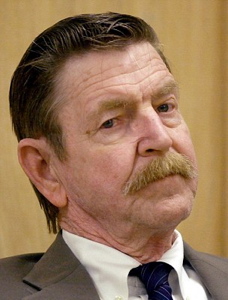
The crimes of Abron Scott and Amos Robinson left a devastating trail of loss and injustice. The families of their victims endured decades of grief, with two of those families having no answers for nearly 40 years. The case is also a stark reminder of the fallibility of the justice system. Robert DuBoise lost 37 years of his life based on a wrongful conviction built on since-discredited bite-mark analysis and the testimony of a jailhouse informant. In 2024, the City of Tampa agreed to pay DuBoise a $14 million settlement for his wrongful conviction.
While incarcerated, Scott's accomplice, Amos Robinson, committed further acts of violence, being convicted for the murders of two fellow inmates. He and his brother were also suspects in the September 1983 murder of 55-year-old Hermenia Castro, who was shot and found in the trunk of her burned car, but charges were ultimately dropped due to insufficient evidence. Abron Scott is currently serving his three consecutive life sentences at the Jefferson Correctional Institution.