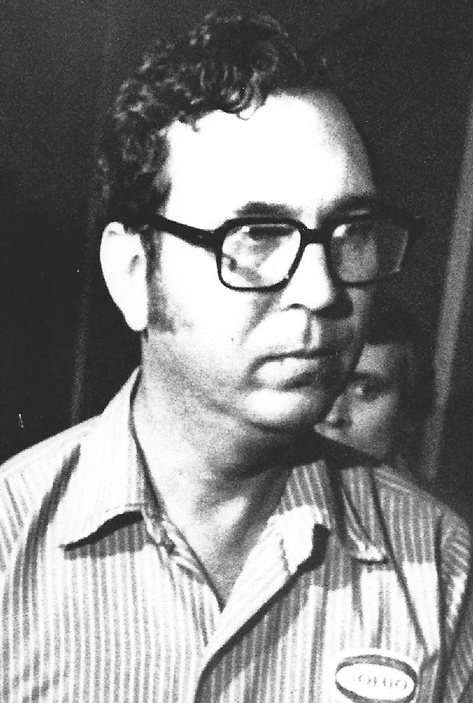
David Parker Ray: The “Toy-Box Killer”
Introduction
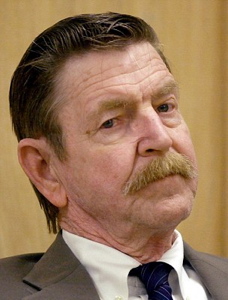
David Parker Ray was an American kidnapper, serial rapist, torturer and suspected serial killer who operated primarily near Elephant Butte, New Mexico. Born on November 6, 1939, Ray became known as the “Toy-Box Killer” because he converted a cargo trailer beside his residence into a carefully planned chamber where women were restrained, drugged, sexually assaulted and tortured. Although investigators suspected that he may have killed numerous victims, Ray was never convicted of murder, and no homicide was conclusively attributed to him through the recovery and identification of a victim’s body.
Ray’s confirmed crimes were nevertheless extensive and methodical. He constructed the trailer to isolate captives from the outside world and equipped it with restraints, chains, medical instruments, recording equipment and devices intended to inflict pain and terror. Investigators also found written records and videotapes associated with his assaults. Ray reportedly claimed that he had abducted approximately 40 women, while some investigators believed the actual number of victims could have been considerably higher.
The “Toy Box”
The trailer Ray called his “toy box” stood near his home in the small resort community of Elephant Butte. Its interior had been altered so that a captive could be restrained for long periods without being heard by neighbors. The walls contained organized equipment, chains, straps and tools, while cameras allowed Ray to record portions of his crimes.
Ray used prerecorded audio messages to intimidate women after they awakened inside the trailer. The recordings explained that they had been abducted and were under his complete control. The purpose of the messages was psychological as well as physical: Ray attempted to convince each captive that resistance was useless and that no one knew where she had been taken.
Victims described being drugged before, during and after their captivity. Investigators believed Ray administered sedatives and other substances that caused confusion and memory loss. Women who survived sometimes retained only fragmented memories of what had happened. Ray could then abandon or return a victim while hoping that she would be unable to identify him, remember the location or provide investigators with a coherent account.
Known and Identified Victims
- Kelli Garrett — July 1996, Elephant Butte, New Mexico: Garrett was living in Colorado when she visited New Mexico and went to a bar with her husband. After an argument, she remained behind and was approached by Ray’s daughter, Glenda Jean “Jesse” Ray. Garrett was lured away, drugged and taken to Ray’s trailer. She was held and assaulted before being driven back to Colorado. Because of the drugs she had been given, Garrett initially had incomplete and disjointed memories. Investigators later identified her in evidence recovered from Ray’s property. She survived the attack.
- Angelica Montano — 1998, Elephant Butte area, New Mexico: Montano reported that Ray and Cynthia “Cindy” Hendy held, drugged and assaulted her. She was eventually released near a highway and sought help, but her report did not immediately lead authorities to Ray. After Cynthia Vigil escaped in 1999, Montano’s account became an important part of the investigation. Montano died from an unrelated illness before the criminal case involving her could proceed to trial. Publicly available accounts do not consistently establish a precise date of death, so no exact death date is stated.
- Cynthia Vigil Jaramillo — March 19–22, 1999, Albuquerque and Elephant Butte, New Mexico: Vigil was approached in Albuquerque on March 19, 1999, by Ray and Hendy. Ray falsely presented himself as a law-enforcement officer and accused her of soliciting prostitution. She was forced into a vehicle and transported approximately 150 miles to Elephant Butte. Vigil was held for three days inside Ray’s trailer. On March 22, while Ray was away, she obtained keys and fought with Hendy. Vigil escaped despite being injured and still wearing a locked metal collar and chain. She reached a nearby residence, where the occupants called police. Her escape exposed Ray’s operation and led directly to the search of his property and his arrest. She survived.
- Marie B. Parker — last seen July 5, 1997, near Elephant Butte, New Mexico: Parker, age 22, was last seen at a saloon near Ray’s residence. Dennis Roy Yancy later admitted participating in her killing and said that Ray had ordered him to strangle her after she had been lured into captivity. Yancy pleaded guilty in connection with Parker’s death. Her body was never recovered, and Ray was never charged with her murder. Because her remains have not been found, July 5, 1997, is treated as the date she disappeared rather than a medically verified date of death.
- Unidentified women — dates and locations unknown: Photographs, videotapes, personal belongings and other evidence recovered from Ray’s property suggested that additional women may have been held in the trailer. The FBI later released images of hundreds of pieces of clothing, jewelry and personal property in an effort to identify possible victims. The identities, survival status and dates connected to many of these women remain unknown.
Cynthia Vigil’s Escape and the Investigation
Vigil’s escape on March 22, 1999, was the decisive event that ended Ray’s known series of crimes. When officers entered the trailer, they found physical evidence supporting her account. The room had been arranged specifically for imprisonment and sexual torture rather than for any ordinary recreational purpose. Investigators recovered restraints, instruments, drugs, videotapes, photographs and detailed records.
The scale of the evidence caused authorities to examine unsolved disappearances and unidentified remains throughout New Mexico and neighboring states. Search teams examined Ray’s property, areas around Elephant Butte Lake and other locations mentioned by associates. Cadaver dogs were used, and investigators pursued claims that bodies had been placed in the lake or buried in isolated desert areas. Despite these efforts, no body was conclusively identified as a person murdered by Ray.
Investigators also discovered evidence that Ray did not always act alone. His girlfriend, Cynthia Lea “Cindy” Hendy, participated in the imprisonment and abuse of Cynthia Vigil and other victims. Ray’s daughter, Glenda Jean Ray, also known as Jesse Ray, was accused of helping lure Kelli Garrett. Dennis Roy Yancy was linked to Ray through the disappearance and killing of Marie Parker.
Accomplices
Cindy Hendy was arrested after Vigil’s escape and eventually pleaded guilty to kidnapping and criminal sexual penetration. She cooperated with investigators and described Ray’s claims that he had killed women and disposed of their bodies. Hendy received a 36-year prison sentence.
Glenda Jean Ray faced charges connected to the abduction of Kelli Garrett. She ultimately received a reduced sentence as part of the larger prosecution. Evidence indicated that she helped gain Garrett’s trust and bring her into circumstances where she could be drugged and transported to the trailer.
Dennis Roy Yancy confessed that Marie Parker had been taken to Ray’s property and that he strangled her after Ray ordered him to do so. Yancy said Ray threatened him with a firearm and compelled him to participate. He pleaded guilty to second-degree murder and received a lengthy prison sentence. Parker’s remains were never found.
Trials and Convictions
Prosecutors planned separate proceedings based on the crimes against Kelli Garrett, Angelica Montano and Cynthia Vigil. The first trial, concerning Garrett, ended in a mistrial after jurors failed to reach a verdict. Ray was later retried and convicted of multiple charges, including kidnapping and criminal sexual penetration.
The prosecution involving Montano could not proceed after her death from causes unrelated to Ray’s attack. In 2001, Ray entered a plea agreement covering additional state and federal charges. On September 21, 2001, he was sentenced to more than 223 years in prison. The sentence ensured that he would never be released, even though the unresolved murder suspicions remained outside the convictions.
Suspected Murders
Ray is frequently described as a serial killer, but the distinction between suspicion and legal proof is important. His convictions established that he was a serial sexual predator, kidnapper and torturer. They did not establish that he personally murdered any named victim.
Suspicion that Ray committed murders came from several sources. Accomplices said he spoke about killing captives. His recordings contained threats of death and disposal. His records appeared to describe many more victims than the three women whose cases were prosecuted. Dennis Yancy also placed Ray at the center of Marie Parker’s abduction and alleged that Ray ordered her killing.
Ray reportedly told investigators that he had abducted dozens of women from New Mexico and other states. Authorities considered the possibility that he selected women whose disappearances might receive limited attention, including women living in unstable circumstances or working in the sex trade. However, Ray provided no complete list of names, and searches did not produce the bodies needed to confirm a series of homicides.
Unidentified Evidence
Hundreds of items were collected during the investigation, including women’s clothing, jewelry, photographs and personal effects. Investigators believed that some objects could have belonged to unidentified victims. In 2011, the FBI released images of many of these items and asked the public to help determine who had owned them.
The evidence raised the possibility that some women survived but never reported what happened, perhaps because of drug-induced memory loss, fear, shame or uncertainty about whether their fragmented recollections were real. Other women may have disappeared without ever being connected to Ray. The absence of identified remains left investigators unable to determine which victims survived and which, if any, were killed.
Death of David Parker Ray
David Parker Ray died on May 28, 2002, after suffering a heart attack while imprisoned in New Mexico. He was 62 years old. His death occurred before investigators could obtain a full account of his activities or verify claims that bodies had been concealed around Elephant Butte Lake and other locations.
Ray’s death effectively ended the possibility of trying him for additional crimes unless new evidence had already been sufficient to file charges. Investigators continued examining missing-person cases and unidentified evidence, but the central suspect could no longer be questioned or confronted with new findings.
Legacy and Unresolved Questions
The David Parker Ray investigation remains one of the most disturbing unresolved criminal cases in New Mexico history. The known evidence proves that several women were abducted, imprisoned, drugged and tortured. It also demonstrates that Ray developed an organized system intended to conceal his crimes and impair the memories of survivors.
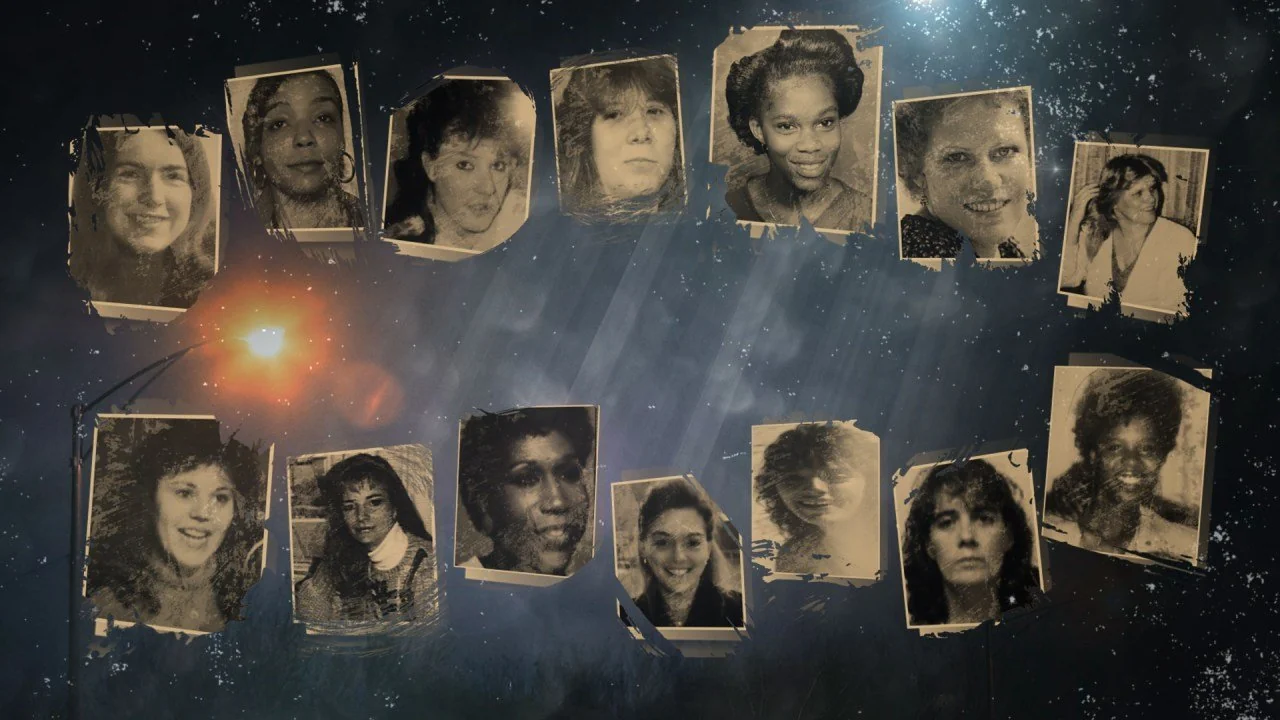
The total number of victims remains unknown. Ray’s claims of approximately 40 captives have never been independently verified, and estimates reaching 60 possible victims are based on investigative suspicion rather than confirmed identifications. No verified list of murder victims exists.
Marie Parker remains the only named homicide victim directly connected to Ray’s circle through a murder conviction, although Ray himself was not charged with her death. The other publicly identified women survived their encounters with him, with Angelica Montano later dying from an unrelated illness. Numerous additional victims may never have been identified.
Ray’s case illustrates how prolonged drugging, intimidation, isolation and the deliberate targeting of vulnerable people can allow serious crimes to remain hidden. Cynthia Vigil’s escape provided authorities with the evidence needed to stop him, but his death left the most important questions unanswered: how many women entered the trailer, how many escaped with no clear memory of it and whether any of the unidentified missing were murdered and concealed by Ray and his accomplices.